Exploring the Spiritual Heart of Varanasi: A First-Timer’s Guide
Varanasi – Kashi – Benares. Whatever you call it, this ancient city on the banks of the Ganges River is a place unlike any other. If you’re looking for an authentic experience of India, a deep dive into Hindu spirituality, or simply want to witness something truly extraordinary, then a Varanasi travel guide is absolutely essential. As someone who’s spent weeks wandering its labyrinthine streets, I can tell you it’s overwhelming, beautiful, chaotic, and profoundly moving – all at once. This guide will help you navigate the initial shock and unlock the magic of this incredible destination.
Understanding Varanasi’s Significance
Varanasi isn’t just a city; it’s arguably the spiritual capital of India. For Hindus, it’s one of the seven holiest cities, a place where life begins and ends. The belief is that cremations along the ghats (riverbanks) release the soul into Moksha – liberation from the cycle of rebirth. This constant flow of death and renewal creates an energy unlike anywhere else you’ll encounter. It’s important to approach this with respect, acknowledging the deeply held beliefs at the heart of this place. Don’t treat it as a tourist attraction; treat it as a living, breathing spiritual centre.
Getting There & Around
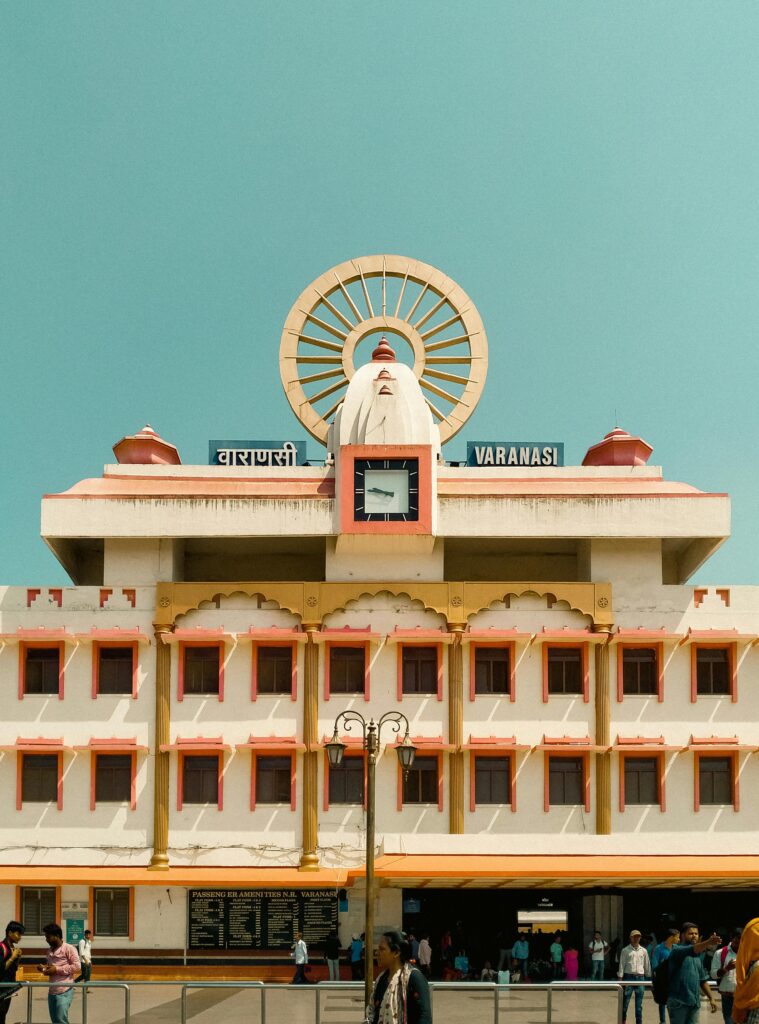
The nearest airport is Varanasi Airport (VNS), which has increasing international flights from major cities in Europe and Asia. Alternatively, you can fly into Delhi (DEL) or Lucknow (LKO) and take a train – the most common and often the most rewarding way to travel through India. The train journey itself is an experience, offering glimpses of rural Indian life. Once you’re in Varanasi, don’t expect taxis! Auto-rickshaws are plentiful and negotiate a price *before* you get in. Walking is also a fantastic way to explore the Old City – just be prepared for crowds and constant attention from vendors.
The Ghats: The Heart of Varanasi
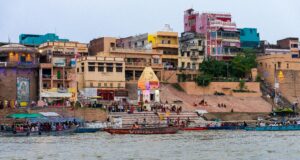
The ghats are the steps leading down to the Ganges River, and they’re where much of Varanasi’s life unfolds. Each ghat has its own purpose, from bathing and prayer to cremations and religious ceremonies. Here are a few key ghats you should visit:
- Dashashwamedh Ghat: The most prominent ghat, home to the Kashi Vishwanath Temple (though access can be challenging – see below) and daily evening Ganga Aarti ceremonies.
- Assi Ghat: Known for its musical performances and a significant spot in Hindu mythology.
- Manikarnika Ghat: The main cremation ghat, an incredibly powerful and moving experience. Respectful observation is key here – photography should be limited.
- Ramnagar Ghat: Located further out from the city centre, offering stunning sunset views.
Must-See Temples & Shrines
Varanasi is brimming with temples and shrines. While some are incredibly crowded (and require advance booking or a guide), they’re worth exploring:
- Kashi Vishwanath Temple: Dedicated to Lord Shiva, this is one of the most important Hindu temples. Be aware that non-Hindus generally cannot enter the main sanctum; however, there are viewing galleries.
- Durga Temple: A vibrant and colourful temple dedicated to Goddess Durga.
- Sarnath (a short auto-rickshaw ride from Varanasi): Where Buddha gave his first sermon after attaining enlightenment. It’s a significant Buddhist site as well.
Navigating the Chaos & Respecting Local Customs
Varanasi is *intense*. The constant flow of people, the noise, the smells – it can be overwhelming. Here’s how to cope:
- Embrace the chaos: Trying to control everything will only lead to frustration. Let yourself get lost in the maze of streets and see what you discover.
- Be mindful of dress code: Dress modestly – covering your shoulders and knees is essential, especially when visiting temples.
- Bargaining is expected: Haggle politely for prices, but always with a smile.
- Respect religious practices: Observe rituals respectfully and avoid disrupting ceremonies. Don’t touch the Ganges without permission.
- Stay hydrated & eat safely: The heat can be brutal. Drink bottled water and choose restaurants carefully – stick to busy places where food is freshly prepared.
Experiencing Ganga Aarti
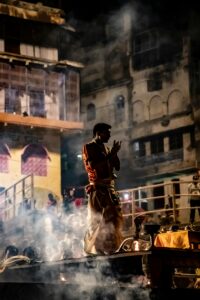
The evening Ganga Aarti ceremony at Dashashwamedh Ghat is a truly unforgettable experience. Hundreds of people gather to offer prayers to the river goddess, lighting lamps and chanting mantras. It’s a vibrant display of faith and devotion – arrive early to secure a good spot. While it can be crowded, the atmosphere is electric.
Beyond the Ghats: Exploring Varanasi’s Hidden Gems
Varanasi isn’t just about the ghats. Venture beyond the main tourist areas to discover hidden gems:
- Silk Weaving District (Durry Bazaar): Witness traditional silk weaving techniques and purchase beautiful textiles.
- Banaras Hindu University: India’s largest residential university, offering a fascinating glimpse into academic life.
- Sattriya Dance Performances: Experience the classical dance form of Assam at various venues within the city.
Practical Tips for Your Varanasi Trip
Here are some final tips to ensure you have a smooth and rewarding trip:
- Best Time to Visit: October to March offers pleasant weather.
- Accommodation: Options range from budget guesthouses to luxury hotels. Consider staying near the ghats for easy access.
- Health: Consult your doctor about necessary vaccinations and medications. Be cautious with food and water.
- Currency: The Indian Rupee (INR) is the local currency. ATMs are available, but it’s wise to carry some cash.
Food & Drink in Varanasi
Varanasi’s culinary scene is a delicious adventure! Don’t miss:
- Lassi: A refreshing yogurt-based drink – try it with mango or sweet cream.
- Thali: A platter of various dishes, offering a taste of authentic Indian cuisine.
- Street Food: Be adventurous and sample local delicacies like chaat (savory snacks) and jalebi (sweet fried spirals). But only eat from reputable vendors!
FAQ – Your Varanasi Travel Questions Answered
Q: Can foreigners attend the Ganga Aarti?
A: Absolutely! The Ganga Aarti is open to everyone, regardless of religion or nationality. It’s a hugely popular event.
Q: Is it safe to swim in the Ganges at Varanasi?
A: While some people do, it’s generally not recommended due to hygiene concerns and religious significance. The river is considered sacred.
Q: What should I wear to visit temples in Varanasi?
A: Dress modestly – cover your shoulders and knees. Loose-fitting cotton clothing is ideal for the warm weather.
Q: How much does it cost to travel in Varanasi?
A: Budget depends on your style, but expect to spend around $30-$100 USD per day, including accommodation, food, and activities. (This is a very rough estimate.)
Q: How do I get around the Old City?
A: Walking is best for exploring the immediate area. Auto-rickshaws are readily available, but agree on a price beforehand.
Conclusion
Varanasi is a city that will challenge you, inspire you, and stay with you long after you’ve left. It’s a place of profound beauty and ancient traditions, offering an unparalleled opportunity to connect with the spiritual heart of India. This Varanasi travel guide has hopefully provided you with a solid foundation for your journey. Don’t just visit – *experience* it. Allow yourself to be swept away by its energy, embrace the chaos, and open your mind to the possibility of something truly extraordinary.
Ready to plan your own adventure? Contact exploreindiaguides.com today for curated Varanasi tours and personalized travel itineraries! Let us help you unlock the magic of Kashi.