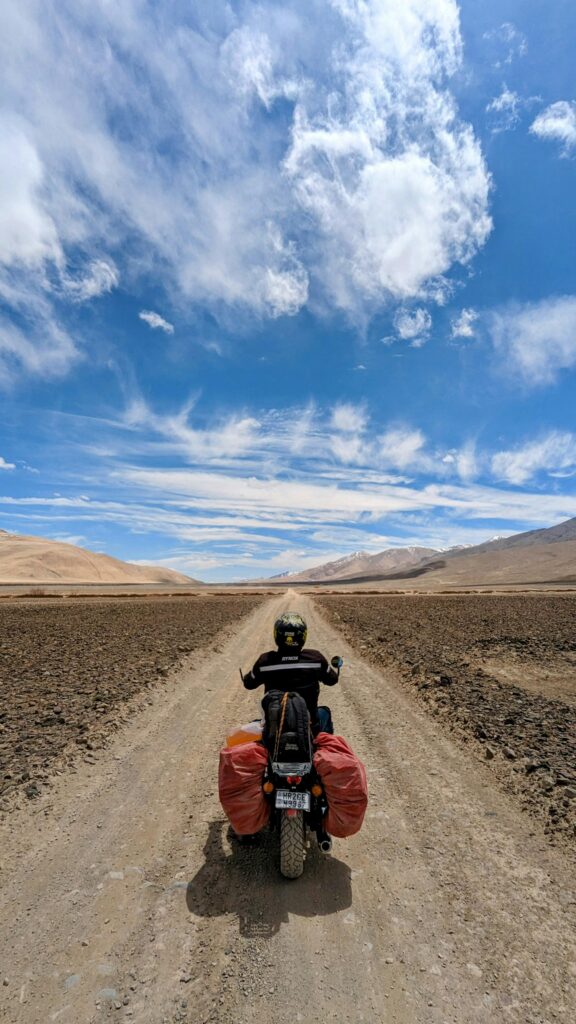
Unlocking Ladakh: A First-Timer’s Guide to the Land of High Passes & Monasteries
Planning a trip to India? You’re in for an unforgettable experience! And if you’re looking for something truly extraordinary, consider Ladakh – a high-altitude desert region nestled in the Indian Himalayas. This Ladakh Travel Guide is designed specifically for first-time visitors from Western countries like the US, UK, or Australia, offering honest insights and practical advice to help you make the most of your adventure. Prepare to be amazed by dramatic landscapes, ancient monasteries, and a culture unlike anywhere else on Earth.
Why Ladakh?
Ladakh isn’t like your typical beach vacation. It’s rugged, raw, and breathtakingly beautiful. The stark contrast between the towering mountains, vibrant turquoise lakes, and whitewashed gompas (monasteries) is simply mesmerizing. It offers a unique blend of adventure, spirituality, and cultural immersion – all while providing stunning photographic opportunities at every turn. The air is incredibly clean, and the pace of life is significantly slower than in India’s larger cities.
Planning Your Ladakh Adventure: Key Considerations
Altitude Sickness – A Serious Concern
This is *the* most important thing to understand before you go. Ladakh sits at incredibly high altitudes (Leh, the main town, is around 3,500 meters / 11,500 feet). Altitude sickness – acute mountain sickness (AMS) – is a real risk for Western travellers who haven’t acclimatized properly. Don’t underestimate this! Spend at least 2-3 days in Leh upon arrival to allow your body to adjust. Drink plenty of water, avoid alcohol and strenuous activity initially, and listen to your body. If you experience symptoms like headache, nausea, dizziness, or shortness of breath, descend immediately.
Best Time to Visit
The trekking season in Ladakh is generally from June to September. This offers the best weather for most activities – clear skies, warmer temperatures, and all roads are usually open. However, July and August can be crowded. Shoulder seasons (May-June & Sept-Oct) offer fewer crowds and beautiful autumn colours but some higher passes might still be closed.
Visa Requirements
Most Western nationals require a visa to enter India. You can apply for an e-visa online, which is usually the quickest option. Make sure you check the latest requirements on the Indian Ministry of External Affairs website before your trip. Allow plenty of time for processing – don’t leave this until the last minute.
Currency & Payment
The currency in Ladakh is the Indian Rupee (INR). While some larger establishments accept credit cards, it’s highly recommended to carry cash, especially when travelling to smaller villages. ATMs are available in Leh but may not always be reliable – so bring enough for your entire trip.
Must-See Destinations on Your Ladakh Itinerary
Leh – The Gateway to Adventure
Leh is the perfect base for exploring Ladakh. Spend at least 2-3 days acclimatizing and exploring its charming streets, bustling market, and impressive monasteries like Thiksey Monastery and Hemis Monastery. Don’t miss a visit to Leh Palace – a crumbling fortress offering panoramic views of the town.
Shanti Stupa
Perched atop a hill overlooking Leh, the Shanti Stupa is a magnificent white-domed Buddhist shrine. It offers incredible 360-degree views of the valley and is a peaceful place for reflection. You can reach it by taxi or a short hike.
Nubra Valley – A Desert Wonderland
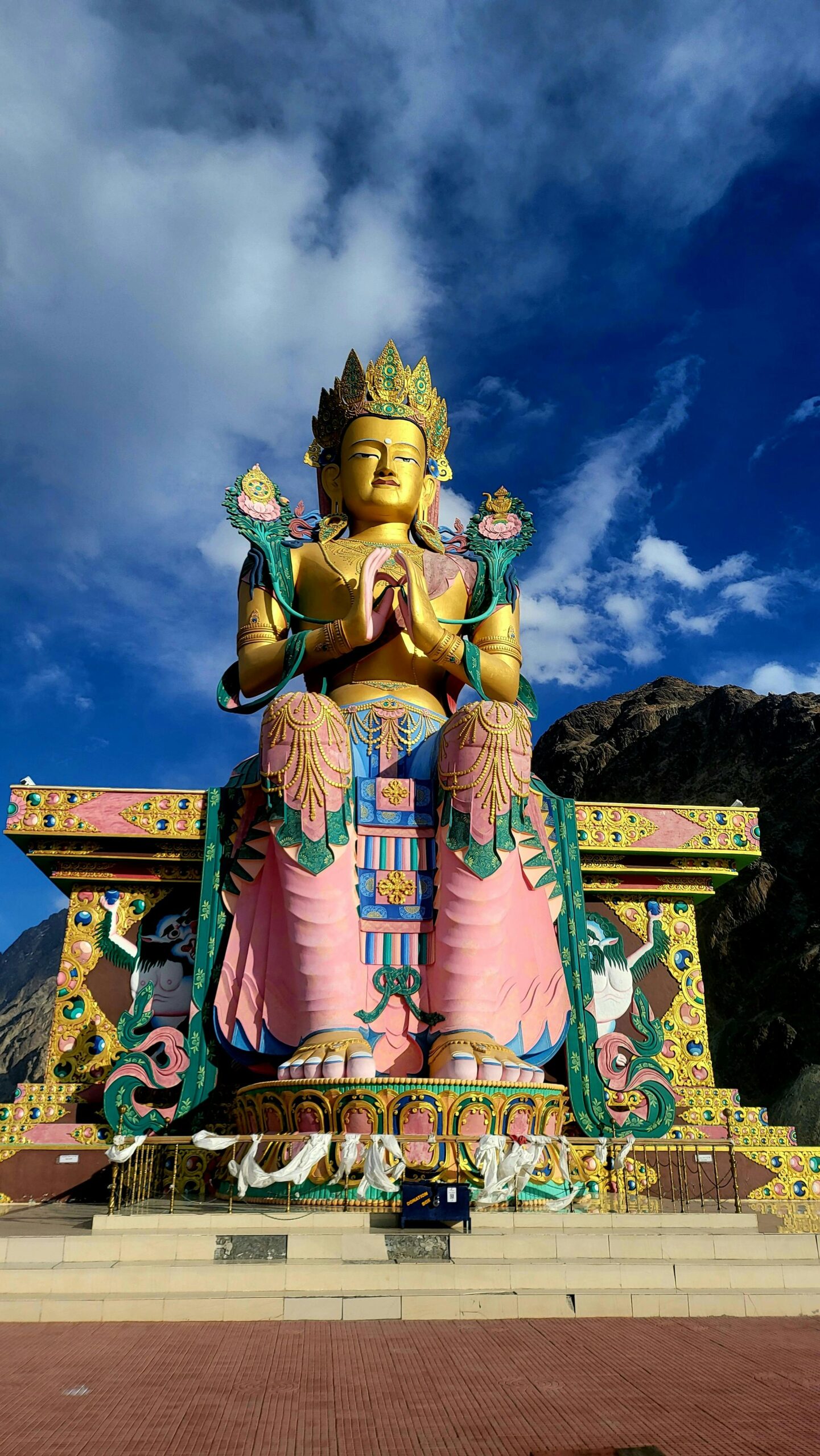
Reaching Nubra Valley requires crossing the Khardung La, one of the highest motorable passes in the world (though its status as *the* highest is debated!). The journey itself is an adventure. Once you arrive, you’ll be greeted by a surreal landscape of sand dunes, apricot orchards, and charming villages. A visit to Diskit Monastery and Hunder village with its camel rides across the dunes is an absolute must.
Pangong Tso – The Colourful Lake
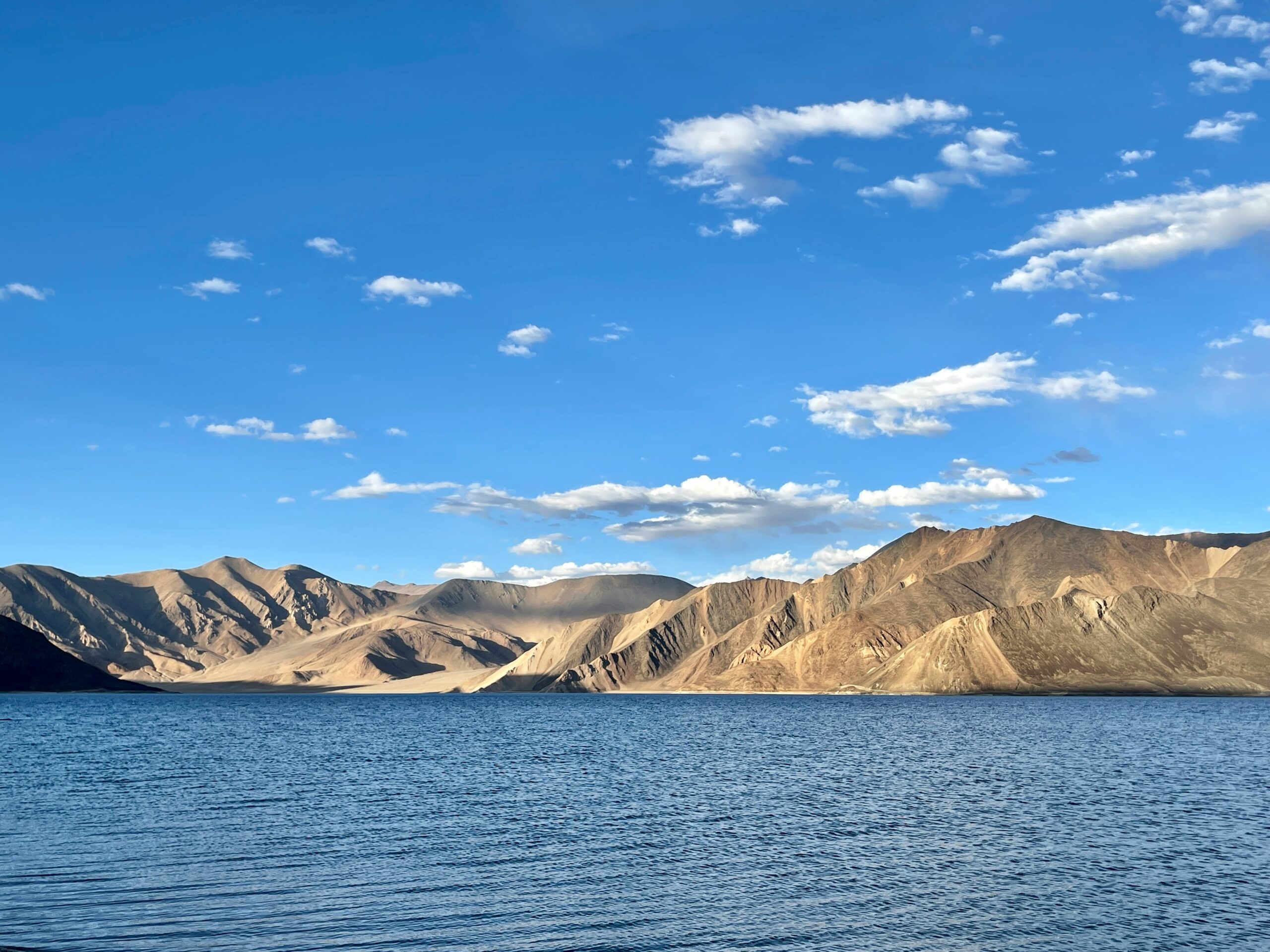
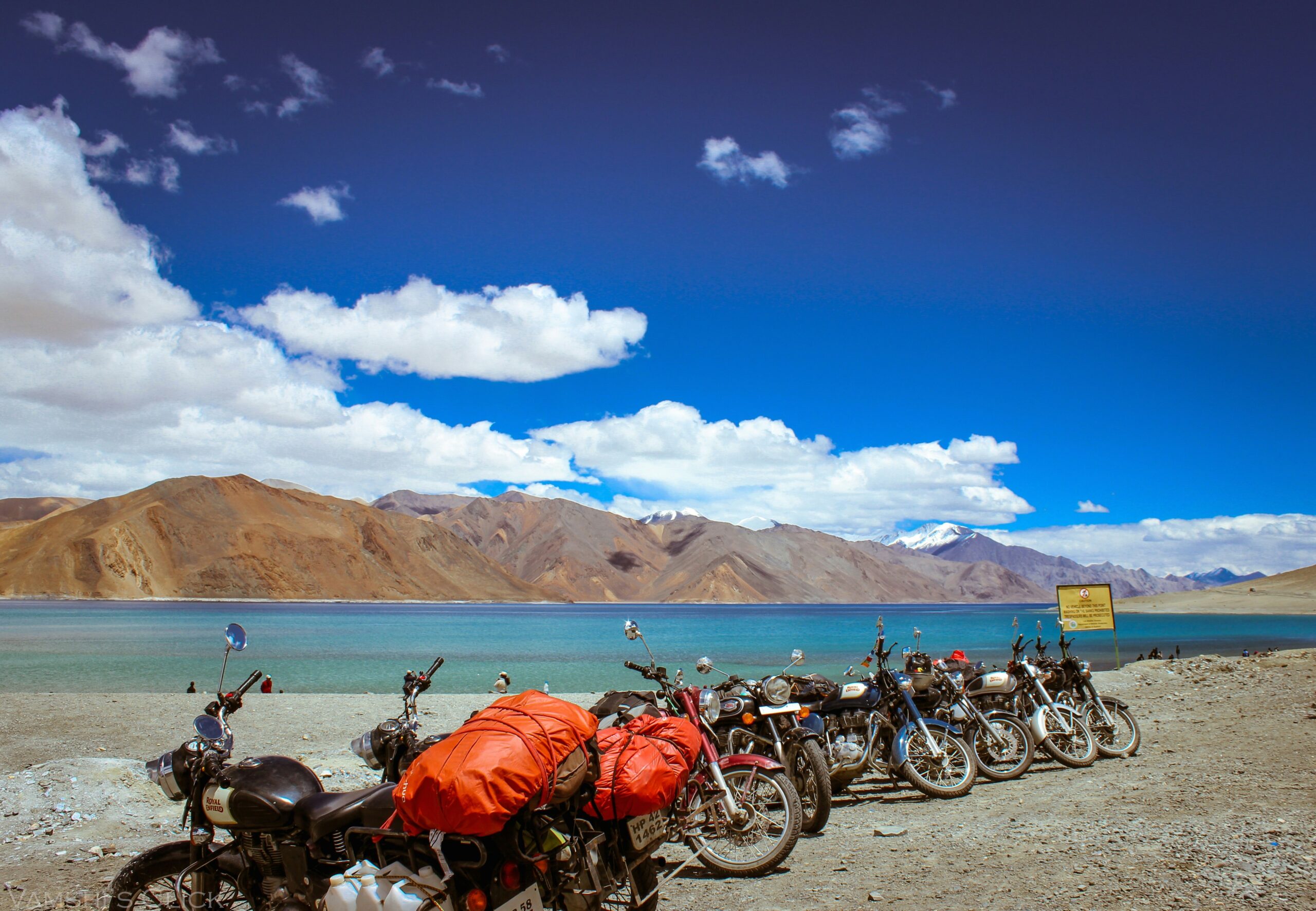
Pangong Tso (Spang Dzachhang) is a stunning high-altitude lake that shifts colour from blue to green to grey depending on the light. It’s one of Ladakh’s most iconic sights. Getting there requires a full day trip and involves crossing Chang La Pass, another challenging but rewarding drive. The views are simply spectacular.
Magnetic Hill
A short detour from Leh, Magnetic Hill is an optical illusion where vehicles appear to climb uphill against gravity. It’s a popular tourist stop and a fun photo opportunity.
Planning Your Ladakh Itinerary – Sample Options
Here are a few sample Ladakh itineraries to get you started, ranging from 7 days to 14 days. These can be customized to your interests and fitness level:
- 7-Day Classic Leh Circuit: Leh (3 days), Nubra Valley (2 days), Pangong Tso (1 day)
- 10-Day Ladakh Adventure: Leh (4 days), Nubra Valley & Diskit Monastery (2 days), Pangong Tso (2 days), Shanti Stupa & Leh Palace (1 day)
- 14-Day Comprehensive Ladakh: Leh Circuit (7 days), Spiti Valley Extension (7 days – requires permits and more acclimatization time)
Getting Around Ladakh
The best way to explore Ladakh is by hiring a private driver or joining a group tour. Public transport (shared jeeps) is available but can be crowded and less comfortable. For longer distances, consider renting an SUV – but only if you’re experienced driving in challenging conditions.
Tips for a Smooth Trip
Pack Layers: The weather in Ladakh can change dramatically throughout the day. Respect Local Customs: Dress modestly when visiting monasteries and be mindful of local traditions. Stay Hydrated: Drink plenty of water to combat altitude sickness and dehydration. Be Prepared for Limited Connectivity: Internet access can be unreliable in some areas.
Food & Drink
Ladakhi cuisine is primarily Tibetan influenced, featuring dishes like momos (dumplings), thukpa (noodle soup), and skyu (stew). You’ll find plenty of restaurants offering both Indian and Western food in Leh. Try the local apricot juice – it’s delicious!
Permits
Traveling to Nubra Valley, Pangong Tso and certain parts of Zanskar require a permit. These can be obtained through a tour operator or government agencies in Leh. Allow ample time for processing as they are subject to change.
Conclusion
Ladakh is more than just a destination; it’s an experience that will stay with you long after you leave. It challenges your perceptions, connects you with nature, and offers a glimpse into a unique culture. This Ladakh Travel Guide has hopefully provided you with the essential information to start planning your adventure. Don’t delay – begin crafting your dream trip to this incredible corner of the Himalayas today!
Ready to turn these dreams into reality? Start browsing our curated Ladakh tours and experiences now, designed for travellers just like you. Explore our incredible Ladakh itineraries!
Frequently Asked Questions (FAQs) About Ladakh Travel
- Q: How much does a trip to Ladakh cost?
A: The cost of a trip varies greatly depending on your travel style, accommodation choices, and the length of your stay. Budget travellers can expect to spend around $50-$100 per day, while luxury travelers may spend upwards of $200+ per day. - Q: What vaccinations do I need for Ladakh?
A: Consult your doctor about recommended vaccinations, including those for Hepatitis A & B, Typhoid, and Tetanus. Altitude sickness medication is also advisable. - Q: Can I travel to Spiti Valley from Leh?
A: Yes, but it requires additional planning and permits. Spiti Valley is a separate cold desert region and offers equally stunning landscapes. Be prepared for more challenging driving conditions and longer travel times. - Q: What should I pack for Ladakh?
A: Pack layers of clothing (thermal underwear, fleece jackets, waterproof jacket), sturdy hiking boots, sunglasses, sunscreen, a hat, and gloves. - Q: Is it safe to drive in Ladakh?
A: Driving conditions in Ladakh can be challenging due to steep roads, high altitudes, and unpredictable weather. It’s recommended to hire an experienced driver or join a guided tour.
Pingback: Epic 14-Day Himalaya Road Trip Itinerary: Unforgettable Nepal & India Adventure - exploreindiaguides.com
Pingback: Ranthambore Safari Guide: Your Ultimate Tiger Hunt Planning Checklist - exploreindiaguides.com
Pingback: Epic 14-Day Himalaya Road Trip Itinerary: Unforgettable Nepal & India Adventure - exploreindiaguides.com
Pingback: Manali Travel Guide: Your Essential First-Timer’s Plan for Adventure & Beauty - exploreindiaguides.com