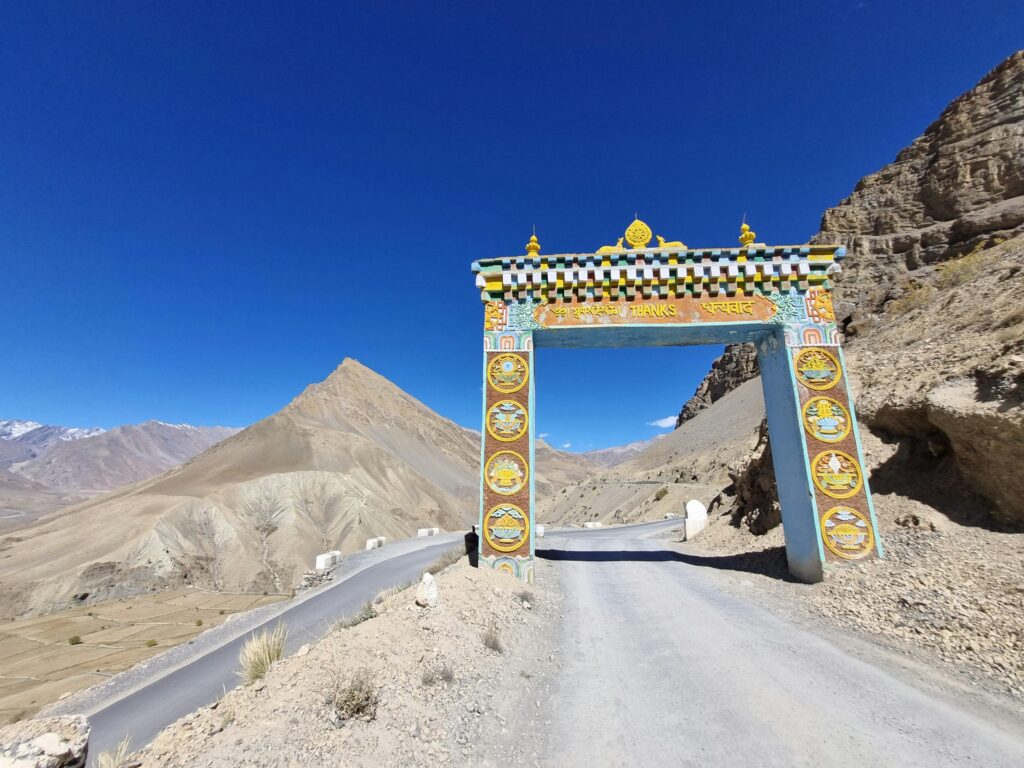
Exploring the Mystical Beauty of Spiti Valley: A First-Timer’s Guide
Planning a Spiti Valley travel guide? You’re in for something truly extraordinary. This remote corner of Himachal Pradesh, India, offers an experience unlike any other – a journey into the heart of the High Altitude Travel India and the breathtaking beauty of the Remote Himalayas. Forget crowded tourist traps; Spiti is about raw landscapes, ancient monasteries clinging to cliffsides, and a pace of life that forces you to slow down and simply *be*. This guide will equip you with everything you need for an unforgettable adventure.
What Makes Spiti Valley So Special?
Spiti literally translates to “Middle Land,” reflecting its history as a buffer zone between Tibet and India. This unique position has fostered a remarkable blend of Buddhist culture, stunning mountain scenery, and incredibly resilient communities. The valley is characterized by dramatic gorges, snow-capped peaks (often with glaciers!), vast stretches of desert-like terrain, and a palpable sense of timelessness. It’s not just a place to visit; it’s a place to *feel*. The air is thin, the silence profound, and the stars at night are simply dazzling.
Getting There: Reaching Spiti’s Hidden Heart
Reaching Spiti isn’t straightforward, which adds to its allure. The most common route involves driving from Manali (Himachal Pradesh), a popular starting point for exploring the region. However, the road is notoriously challenging – it’s a high-altitude mountain pass and requires a sturdy SUV with 4×4 capabilities. Don’t even *think* about attempting this in a regular rental car!
Manali to Kaza: The Iconic Route
The journey from Manali to Kaza (the main town in Spiti) is approximately 200km and takes around 7-8 hours, even with careful driving. Be prepared for hair-raising bends, frequent landslides (especially during the monsoon season – July/August), and altitude sickness. It’s highly recommended to spend at least a day acclimatizing in Manali before starting your drive. You can hire a local driver – seriously, do this! – as navigating these roads alone is incredibly stressful.
Important Note: Permits are required for visiting Spiti Valley. You’ll need an Inner Line Permit (ILP) to enter the protected areas. These can be obtained online or through authorized travel agencies in Manali. Don’t skip this step – it’s crucial for your safety and the preservation of the region.
Alternative Routes & Off-the-Beaten-Path Adventures
For a more adventurous (and challenging) experience, consider these alternative routes:
- Langza to Ki – The Kibber Route: A slightly longer but less crowded route via Langza, offering stunning views of the Kinnaur mountains.
- Pin Valley National Park Route: This route takes you through the remote Pin Valley, known for its endangered snow leopards (though sightings are rare!).
Must-See Destinations in Spiti Valley
Spiti is a vast region, so planning your itinerary carefully is essential. Here’s a breakdown of some key destinations:
Kaza: The Gateway to Spiti
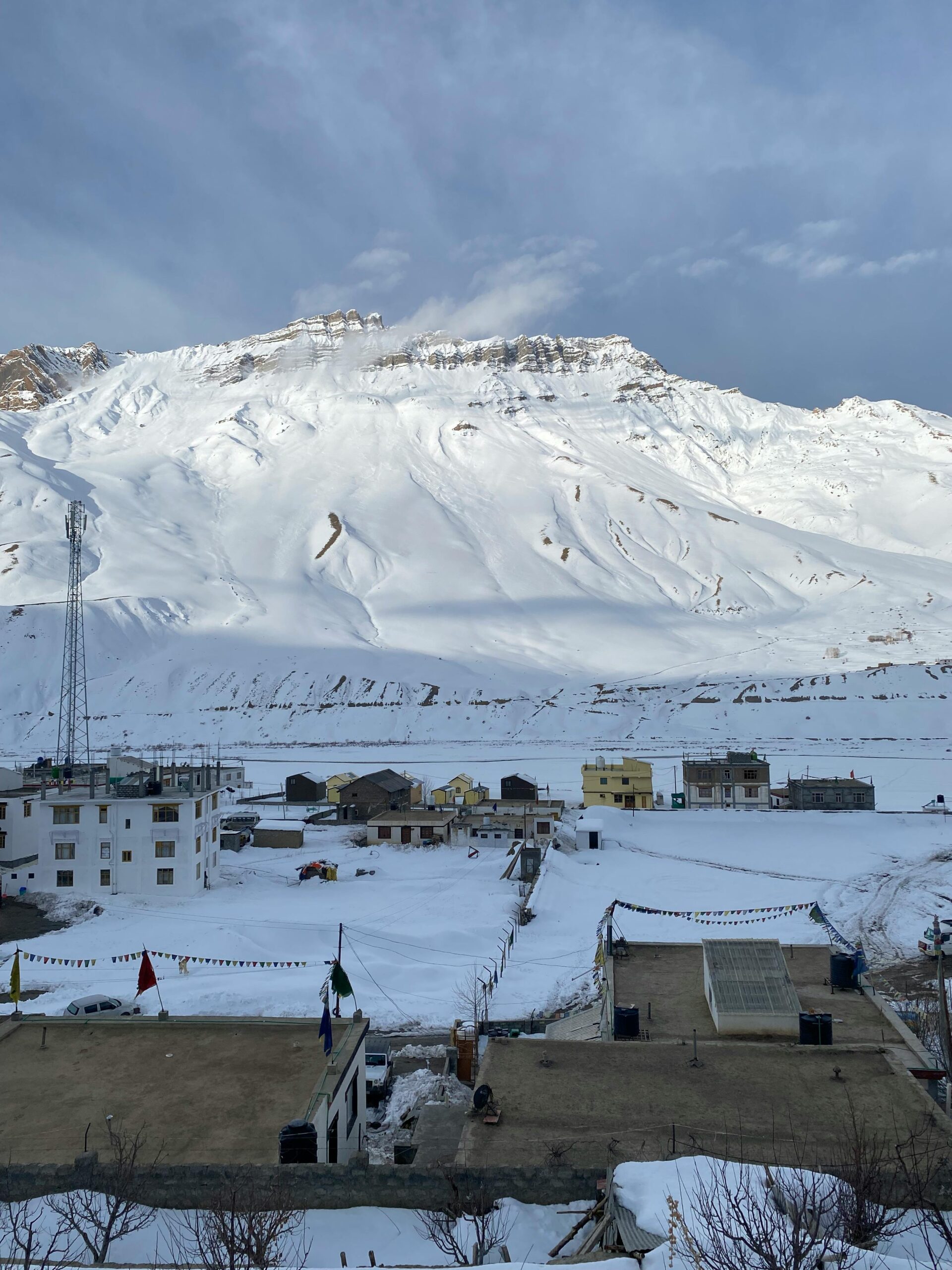
Kaza serves as the administrative and commercial hub of Spiti. It’s a bustling town with basic amenities, including guesthouses, restaurants, and shops. From Kaza, you can easily access many other key attractions.
Chandratal Lake: The Snow Leopard Lake
A stunning alpine lake nestled at 4,380 meters (14,370 ft), Chandratal is a popular trekking destination. The hike to the lake is challenging but rewarding, offering panoramic views of the surrounding mountains. Keep an eye out for snow leopards – while sightings are rare, the area is known to be their habitat.
Komik Monastery: The Highest Buddhist Monastery
At 4,160 meters (13,650 ft), Komik Monastery is the highest monastery in Spiti. It’s a fascinating place to learn about Tibetan Buddhism and witness the daily life of the monks.
Tabo Monastery: A Treasure Trove of Ancient Art
Tabo Monastery is renowned for its incredibly well-preserved murals and stucco sculptures, dating back to the 8th century. It’s considered one of the most important Buddhist centers in India and a UNESCO World Heritage Site.
Dhankar Monastery: Perched on a Cliff
Dhankar Monastery is dramatically perched on a cliff overlooking the confluence of the Spiti and Pin rivers. The monastery has a fascinating history, including a time when it served as a fortress. Be prepared for a steep climb to reach the monastery – it’s not for the faint of heart!
Pin Valley National Park: Wildlife & Geology
This national park is home to a variety of wildlife, including snow leopards, ibex, and lammergeiers. It’s also known for its unique geological formations, including the impressive Pin Valley gorge.
Things to Know Before You Go (Essential Tips)
Spiti Valley travel guide – it’s not a trip you can just wing. Here’s what you need to know:
- Altitude Sickness: Acclimatization is crucial. Spend at least 2-3 days in Kaza before venturing into higher altitudes. Drink plenty of water, avoid strenuous activity, and consider taking altitude sickness medication (consult your doctor).
- Cash is King: ATMs are scarce in Spiti Valley. Bring enough cash to cover your expenses – it’s best to overestimate rather than underestimate.
- Respect Local Culture: The people of Spiti are predominantly Tibetan Buddhist. Dress modestly, ask permission before taking photos, and be mindful of local customs.
- Pack Appropriately: Layers are essential! Temperatures can fluctuate dramatically throughout the day. Pack warm clothing (jackets, sweaters, hats, gloves), waterproof gear, sturdy hiking boots, and sunscreen.
- Responsible Travel: Minimize your impact on the environment. Avoid littering, conserve water, and support local businesses.
Food & Accommodation in Spiti Valley
Accommodation options in Spiti range from basic guesthouses to more comfortable hotels. Food is primarily Tibetan Buddhist influenced – expect plenty of momos, thukpa (noodle soup), and tsampa (roasted barley flour).
Guesthouses & Homestays: A Local Experience
Staying in a local guesthouse or homestay offers a fantastic opportunity to connect with the community and experience authentic Spitian life.
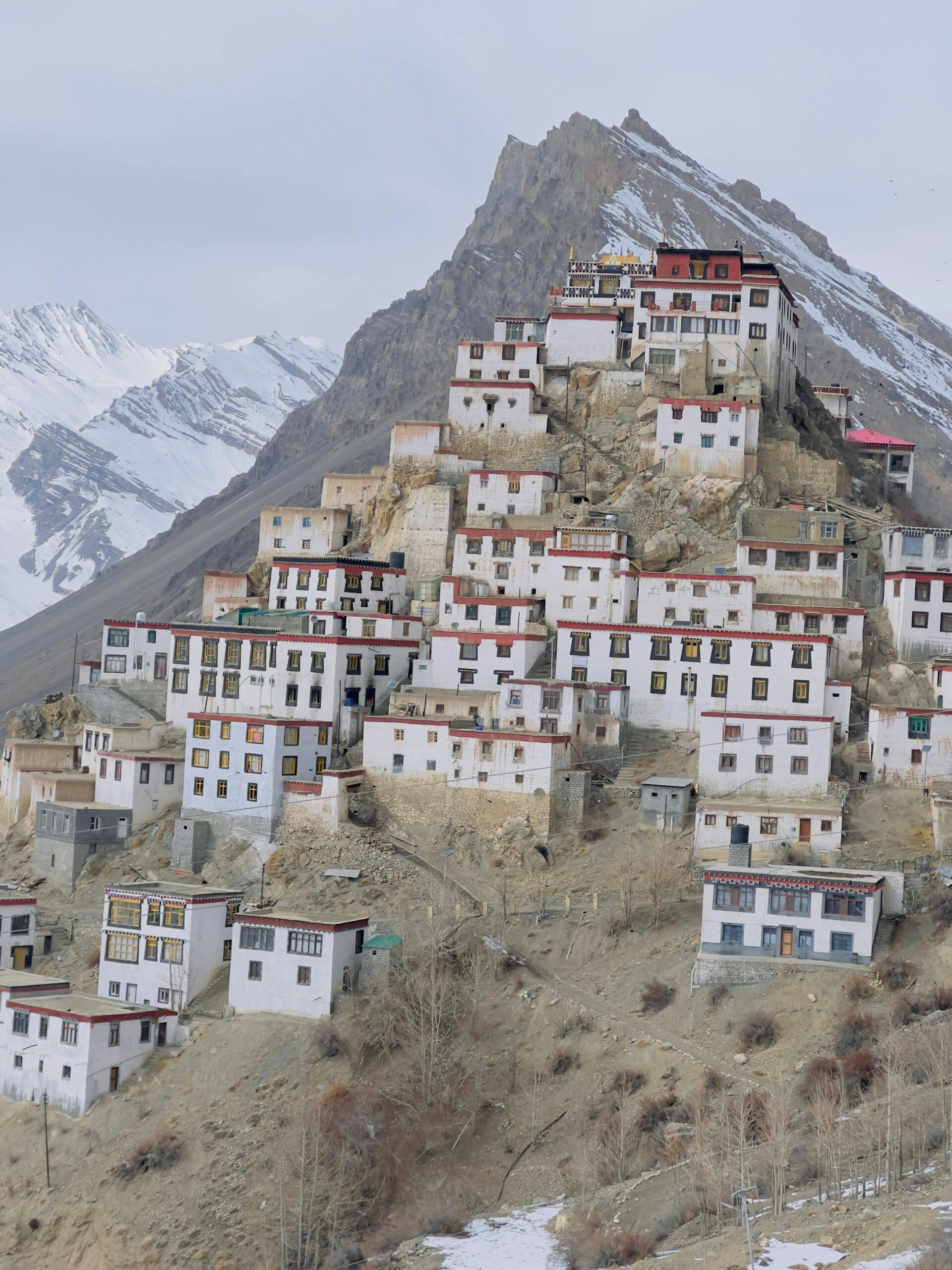
Spiti Monastery: A Spiritual Hub
The various monasteries throughout Spiti are more than just religious sites; they’re centers of learning, hospitality, and community life. You’ll often be invited to share a meal or participate in ceremonies.
FAQ – Your Burning Questions About Spiti Valley Travel Guide
Q: What is the best time to visit Spiti Valley?
A: The best time to visit Spiti Valley is from May to October. June-September offers pleasant weather for trekking and sightseeing, while April and October offer fewer crowds.
Q: Do I need a permit to travel in Spiti Valley?
A: Yes, you absolutely need an Inner Line Permit (ILP) to visit most of the protected areas in Spiti Valley. You can obtain it online or through authorized travel agencies in Manali.
Q: What kind of accommodation is available in Spiti?
A: Accommodation options range from basic guesthouses and homestays to more upscale hotels in Kaza. Booking in advance, especially during peak season, is highly recommended.
Q: How much does it cost to travel to Spiti Valley?
A: The cost of your trip will depend on your travel style and duration. Budget around INR 15,000 – 30,000 per person for a week-long trip, excluding flights. This includes accommodation, food, transportation, and permits.
Q: Is Spiti Valley safe for solo travelers?
A: Yes, Spiti Valley is generally considered safe for solo travelers, but it’s always advisable to be cautious and aware of your surroundings. Inform someone about your travel plans and check weather conditions before heading out on any treks.
Conclusion
Your Spiti Valley travel guide has just begun! This is a destination that will stay with you long after you’ve left – a place where the raw beauty of nature, ancient traditions, and genuine human connection collide. It’s not a luxury vacation; it’s an adventure for the soul. Are you ready to answer Spiti’s call?
Ready to start planning your incredible journey? Contact exploreindiaguides.com today for custom itineraries, permits assistance, and expert local guides to ensure you have the most unforgettable experience in this magical Himalayan valley.