Exploring the Hill Stations of Meghalaya: Mawlynnong, Cherrapunjee & Living Root Bridges – A First-Timer’s Guide
Planning a trip to India and craving something truly unique? Forget the bustling cities for a moment; you need to experience Meghalaya, often called “Abode of Clouds.” This northeastern state is home to some of the most breathtaking hill stations on Earth. If you’re a first-time traveller from Western countries – specifically the US, UK, or Australia – looking for an adventure steeped in natural beauty and fascinating culture, then this Meghalaya hill stations guide is exactly what you need. Prepare to be mesmerized by cascading waterfalls, ancient living root bridges, and a level of hospitality that will genuinely touch your soul. Let’s dive into creating an unforgettable trip!
Understanding Meghalaya’s Landscape
Meghalaya’s dramatic topography is largely shaped by the Khasi Hills, part of the Eastern Himalayas. The rainfall here – consistently among the highest in the world – has created a landscape unlike anywhere else. Lush green valleys plunge into deep gorges carved by rivers, and the dense forests teem with unique flora and fauna. It’s important to remember that this isn’t your typical tourist destination; it’s raw, authentic, and demands respect for its environment and culture.
Mawlynnong: Asia’s Cleanest Village
Your Meghalaya journey will almost certainly begin in Mawlynnong, a tiny village nestled in the East Khasi Hills. It’s renowned as “Asia’s Cleanest Village,” and it’s truly remarkable. The Khasi people here have an ingrained respect for cleanliness, with bamboo dustbins lining every street and meticulous upkeep of their surroundings. Don’t expect sprawling resorts; accommodation options are primarily guesthouses and homestays offering a genuine glimpse into village life. You can easily spend a day exploring the village – climbing the Living Root Bridges (a smaller version of those in Cherrapunjee), enjoying breathtaking views, and learning about Khasi culture.
Mawlynnong is also a fantastic base for exploring nearby attractions like David Scott’s trail, offering stunning panoramic vistas. Be prepared for some steep climbs!
Cherrapunjee (Sohra): The Land of Clouds
Next up is Cherrapunjee – or Sohra as it’s officially known. This town, historically famed for holding the record for the highest rainfall in the world (now surpassed by Mawsynram), offers a completely different experience to Mawlynnong. It’s significantly more developed with hotels and restaurants catering to tourists, but still retains a strong sense of its highland heritage. Cherrapunjee is your gateway to experiencing the truly spectacular waterfalls that Meghalaya is famous for.
Exploring Cherrapunjee’s Waterfalls
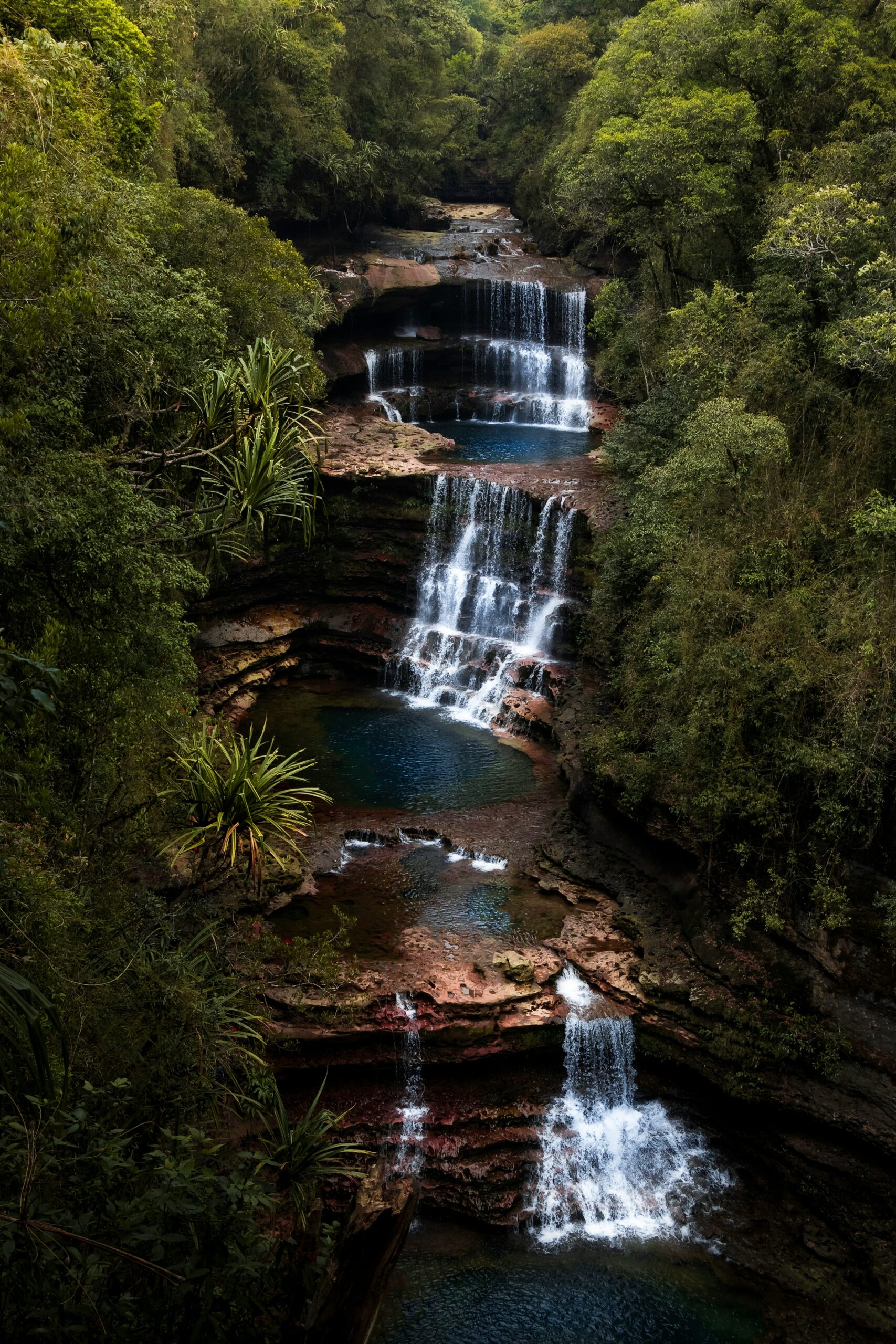
The main draw here is undoubtedly Nohkalikai Falls – one of the tallest plunge waterfalls in India. The sheer power and volume of water are awe-inspiring. Getting a good view requires a bit of a hike, but the reward is absolutely worth it. Other worthwhile waterfalls include Seven Sisters Falls (rainbow falls!) and Elephant Falls. Be aware that trails can be slippery, especially after rain, so wear appropriate footwear.
Beyond the waterfalls, you can visit the Ward Hills Hanging Gardens – a beautifully manicured landscape built into the steep hillside – offering stunning views of Cherrapunjee and the surrounding valleys.
Living Root Bridges: A Natural Wonder
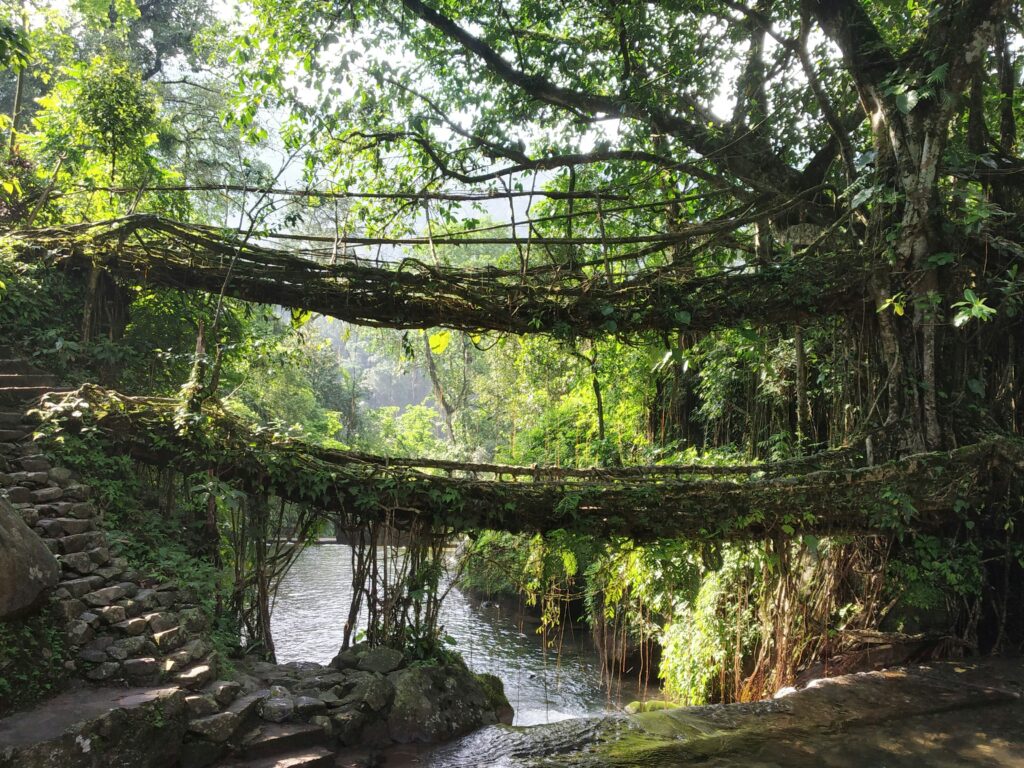
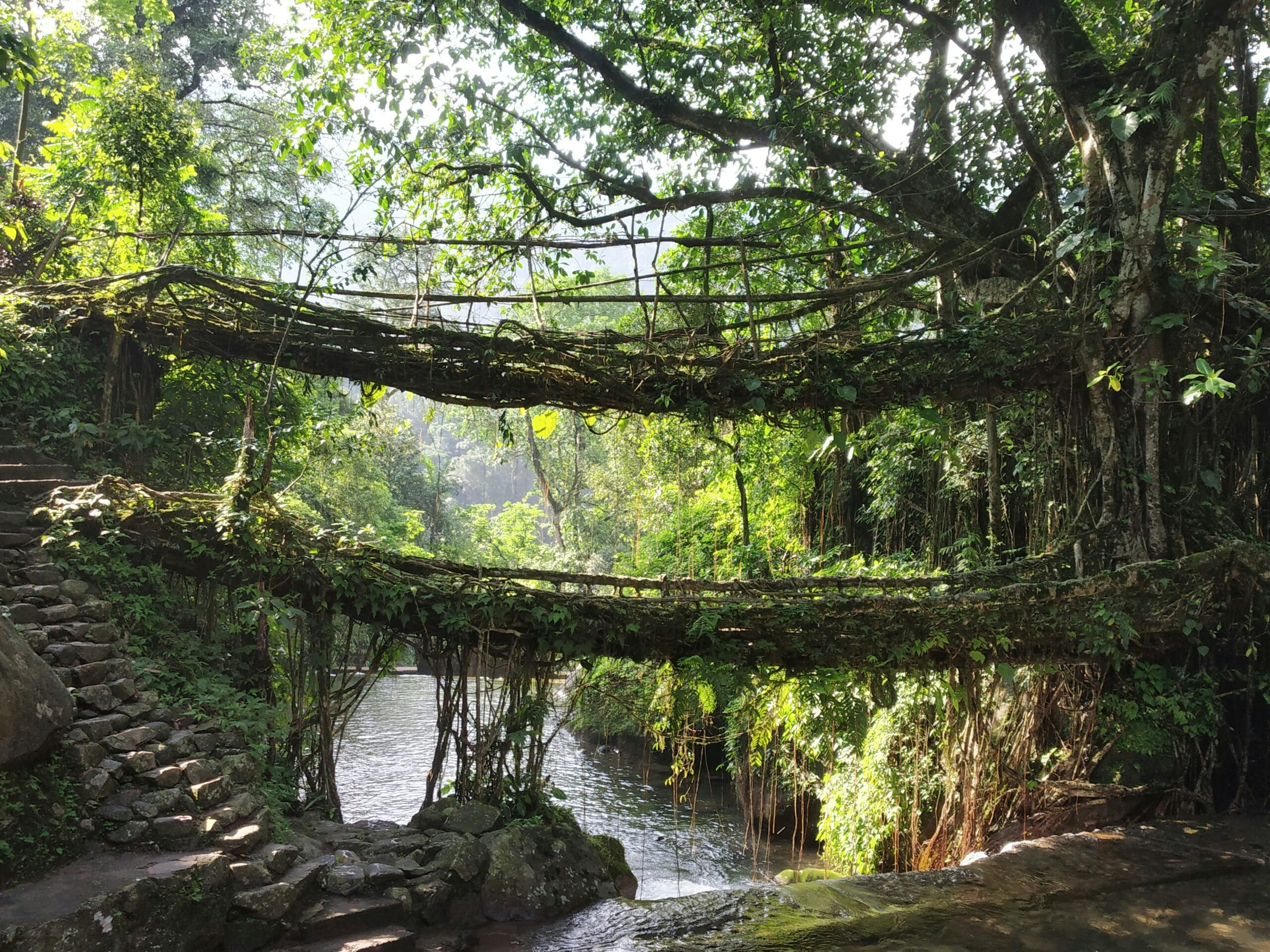
No trip to Meghalaya is complete without experiencing the incredible Living Root Bridges. These aren’t just bridges; they’re a testament to the ingenuity and sustainable practices of the Khasi people. They are created by guiding the roots of rubber fig trees (Ficus elastica) across rivers and streams, over many years, until they form strong, flexible structures. The most famous Living Root Bridges are located near Cherrapunjee – the Double Decker Living Root Bridge at Nongriat is a must-see. It involves a challenging but rewarding trek down hundreds of steps to reach the bridge itself.
There are several other impressive Living Root Bridges within a short distance, each with its own unique charm and level of difficulty to access. Research them beforehand – some require longer treks than others!
Beyond the Big Three: Exploring Further
While Mawlynnong, Cherrapunjee and Living Root Bridges are essential stops, Meghalaya has so much more to offer. Consider visiting:
- Mawsynram: The rainiest place on Earth! (Although you might not feel like spending a lot of time here due to the relentless weather).
- David Scott’s trail: A challenging but incredibly rewarding trek offering panoramic views.
- Jatras Village: Known for its unique ‘living root cellar’ – a structure built entirely from living roots.
- Balpakram National Park: For the adventurous – home to diverse flora and fauna, including elephants and tigers (though sightings are rare). Requires permits and organised tours.
Logistics & Practical Tips for Western Travellers
Getting to Meghalaya can be a little tricky, but that’s part of its charm! The nearest airport is Shillong Airport (SHL), which has limited flights, primarily from Kolkata. Alternatively, you can fly into Guwahati Airport (GAU) in Assam and take a 3-4 hour drive to Shillong.
Accommodation: Options range from basic guesthouses to comfortable hotels. Booking in advance is highly recommended, especially during peak season (October – April).
Transportation: Hiring a car with a driver is the most convenient way to explore Meghalaya. Shared taxis are also available but can be crowded.
Food: Meghalayan cuisine is delicious and heavily influenced by its tribal traditions. Try Jadoh (rice cooked in pork blood), Dohkhlieh (a spicy pork salad), and Pumaloi (a sweet rice pudding).
Altitude Sickness: Shillong and Cherrapunjee are at high altitudes, so allow yourself time to acclimatize. Drink plenty of water and avoid strenuous activity on your first day.
FAQ – Your Questions Answered
Q: What’s the best time to visit Meghalaya?
A: October to April offers the most pleasant weather, with clear skies and lower rainfall. However, it’s also peak season, so expect higher prices and more crowds.
Q: Do I need a permit to visit certain areas of Meghalaya?
A: Yes, you’ll require an Inner Line Permit (ILP) for visiting national parks, sanctuaries, and restricted areas. You can obtain this through authorized travel agents or online platforms.
Q: What should I pack for a trip to Meghalaya?
A: Pack layers of clothing – the weather can change quickly! Include waterproof jackets, hiking boots, comfortable walking shoes, sunscreen, and insect repellent.
Q: Is it safe to travel in Meghalaya as a solo traveller?
A: Meghalaya is generally considered a very safe state for tourists. However, it’s always wise to be aware of your surroundings and take precautions against petty theft.
Q: How much does a trip to Meghalaya cost?
A: The cost varies depending on your travel style. A budget traveller can expect to spend around $50-75 per day, while a more comfortable traveller might spend $100-200 per day.
Conclusion
Meghalaya is a destination that will stay with you long after you’ve left. It’s a place of unparalleled beauty, rich cultural traditions, and genuine human connection. Exploring the Meghalaya hill stations offers an experience unlike any other – a chance to disconnect from the modern world and reconnect with nature in its purest form. Don’t just dream about it; start planning your adventure today!
Ready to trade concrete jungles for cascading waterfalls? Click here to book your bespoke Meghalaya tour and experience the magic of ‘Abode of Clouds’.