Exploring the Remote Beauty of Himachal Pradesh’s Kinnaur Valley: A First-Timer’s Guide to Himalayan Villages, Buddhist Monasteries and Rhododendron Forests – Discovering India’s Hidden Heart
Kinnaur Valley Himachal Pradesh is a name that whispers promises of untouched beauty. If you’re seeking an authentic Indian experience far removed from the crowds of Rajasthan or Goa, then this high-altitude paradise deserves to be at the top of your list. This guide will equip you with everything you need to plan your first journey into the heart of Himachal Pradesh – a truly rewarding adventure for any Western traveler.
Getting There & Getting Around
Reaching Kinnaur Valley isn’t straightforward, and that’s precisely what makes it so special. The most common route begins in Shimla, the former summer capital of British India. From Shimla, you can take a taxi or shared jeep to Reckong Peo, the main entry point to Kinnaur (approximately 6-7 hours). Alternatively, some travellers opt for a more scenic – and challenging – journey via Manali, which is roughly a 12-hour drive, offering stunning views of the Kullu Valley along the way.
Once in Reckong Peo, you’ll find limited public transport. Hiring a taxi or jeep is highly recommended to explore the valley effectively. Motorbike rentals are popular for experienced riders comfortable with steep mountain roads – but seriously consider your comfort level and experience before attempting this.
Road Conditions & Considerations
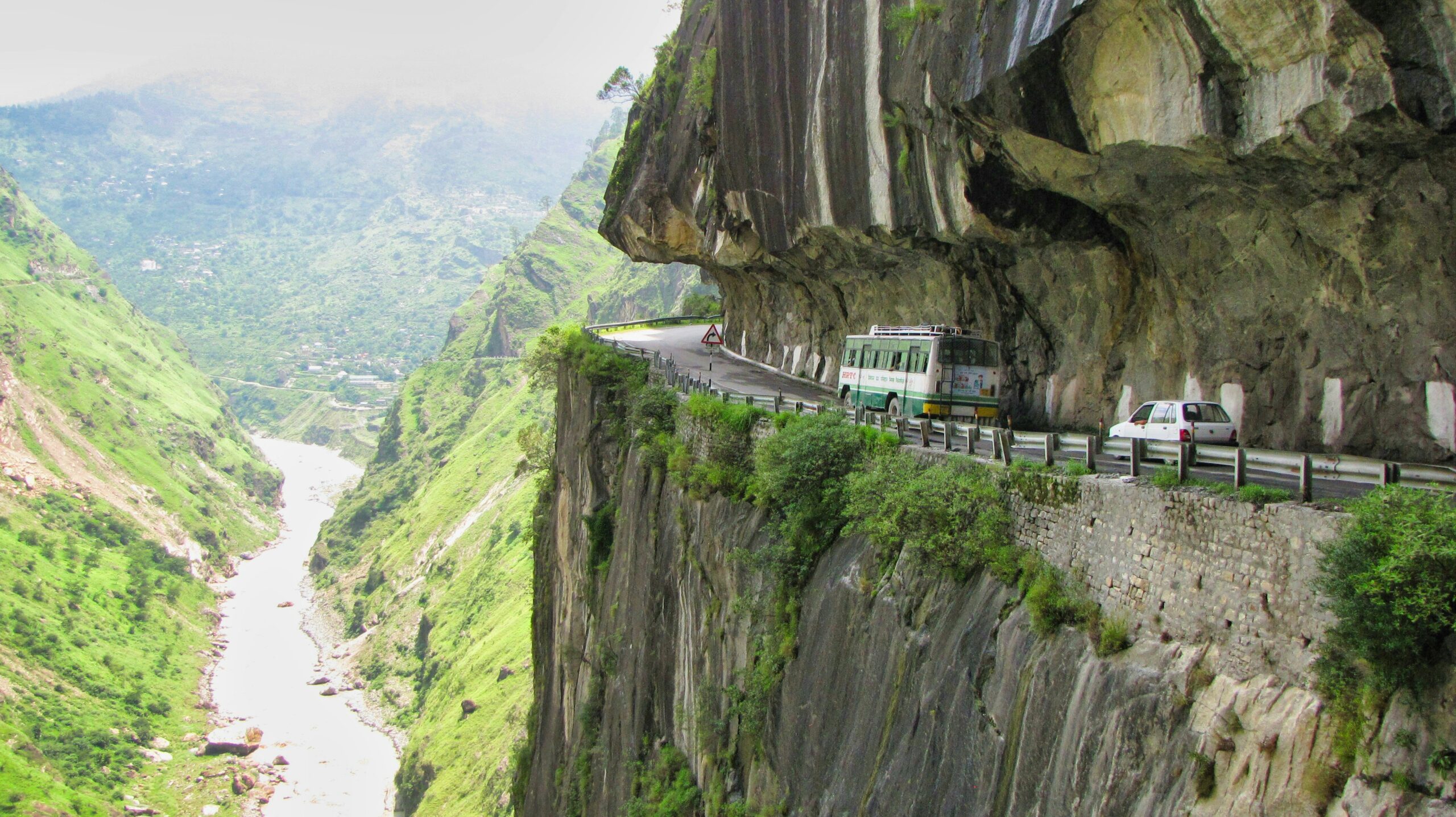
Be warned: Kinnaur’s roads are notoriously narrow, winding, and often unpaved, especially as you venture deeper into the valley. A sturdy vehicle is essential. Drive cautiously, be patient, and allow plenty of time for your journeys – it’s about the journey itself!
Immerse Yourself in Kinnaur’s Villages
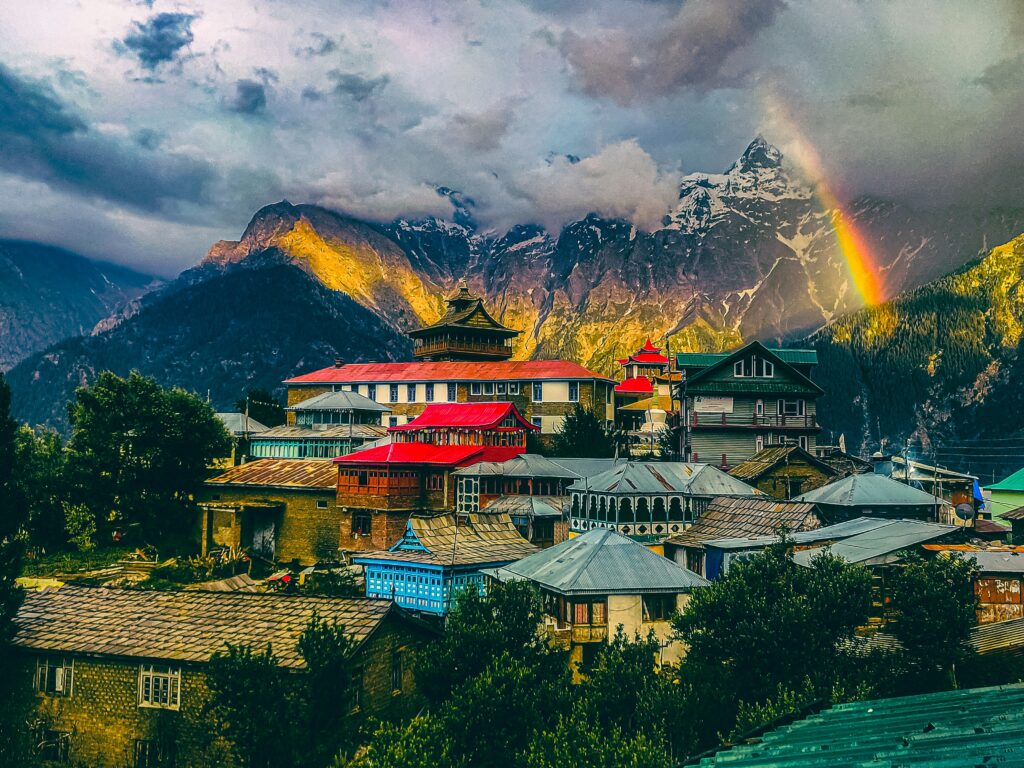
The real magic of Kinnaur Valley lies in its traditional villages. Life here moves at a slower pace, dictated by the seasons and ancient customs. You’ll find houses built with stone and wood, often with slate roofs, clinging to the steep hillsides. The local Kinnauri people are incredibly welcoming (though language can be a challenge – Hindi or English-speaking guides are invaluable), and you’ll experience a way of life largely untouched by modern influences.
Kalpa: A popular starting point, Kalpa offers breathtaking views of the Kinner Kailash range, considered sacred by Hindus, Buddhists, and Sikhs. It’s also known for its sunset viewpoints – a truly unforgettable experience.
Oachhind: This village is famous for its ancient temple dedicated to Goddess Durga, one of the oldest temples in Kinnaur. The drive here is particularly scenic, winding along the Sutlej River.
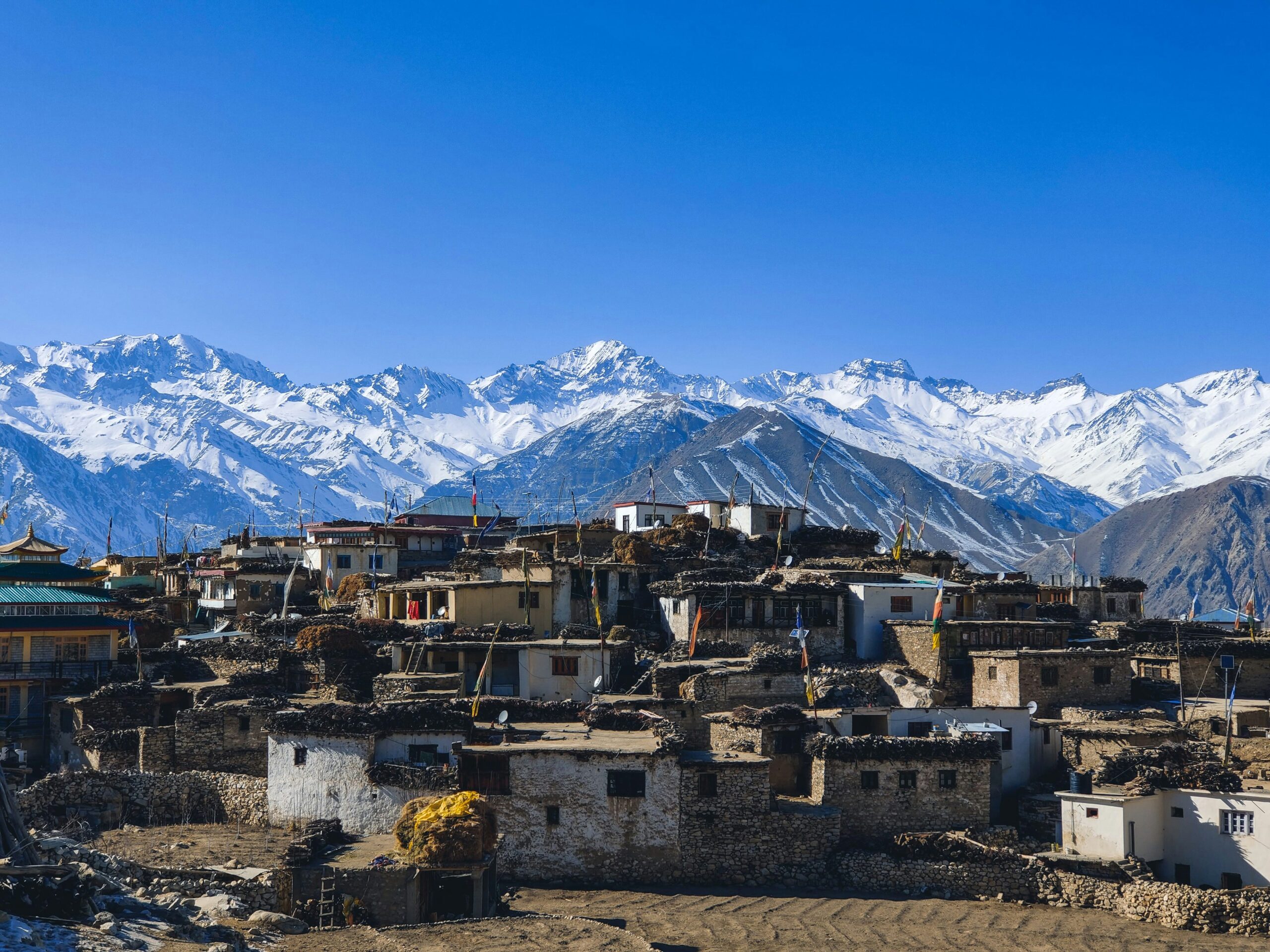
Sangla: Known as the “Valley of Flowers,” Sangla boasts stunning meadows dotted with wildflowers and offers easy access to trekking routes. It’s a charming village with well-maintained guesthouses.
Spiritual Journeys & Buddhist Monasteries
Kinnaur Valley is deeply rooted in Tibetan Buddhism, largely due to its proximity to Tibet. This influence is vividly displayed through the numerous monasteries that dot the landscape. Visiting these places of worship offers a profound insight into the region’s spiritual heart.
Komik Monastery
Perched dramatically on a cliff overlooking the village of Komik, this monastery is one of the most significant in Kinnaur. It’s home to a large community of monks and offers visitors a chance to witness traditional Buddhist rituals and practices. The views from the monastery are simply spectacular.
Hemingaon Monastery
Located near Sangla, Hemingaon Monastery is smaller but equally captivating. Its serene atmosphere and the chanting of the monks create a deeply peaceful experience. This monastery is particularly important as it houses many Tibetan religious artifacts brought over during the Tibetan invasions.
Rhododendron Forests & Hiking Adventures
Kinnaur Valley explodes with color during the spring months (March-May) when rhododendrons in every shade imaginable blanket the hillsides. The air is filled with their heady fragrance, and the scenery is utterly breathtaking. It’s a photographer’s paradise!
Trekking Options
Kinnaur Valley is a haven for trekkers of all levels. Here are some popular options:
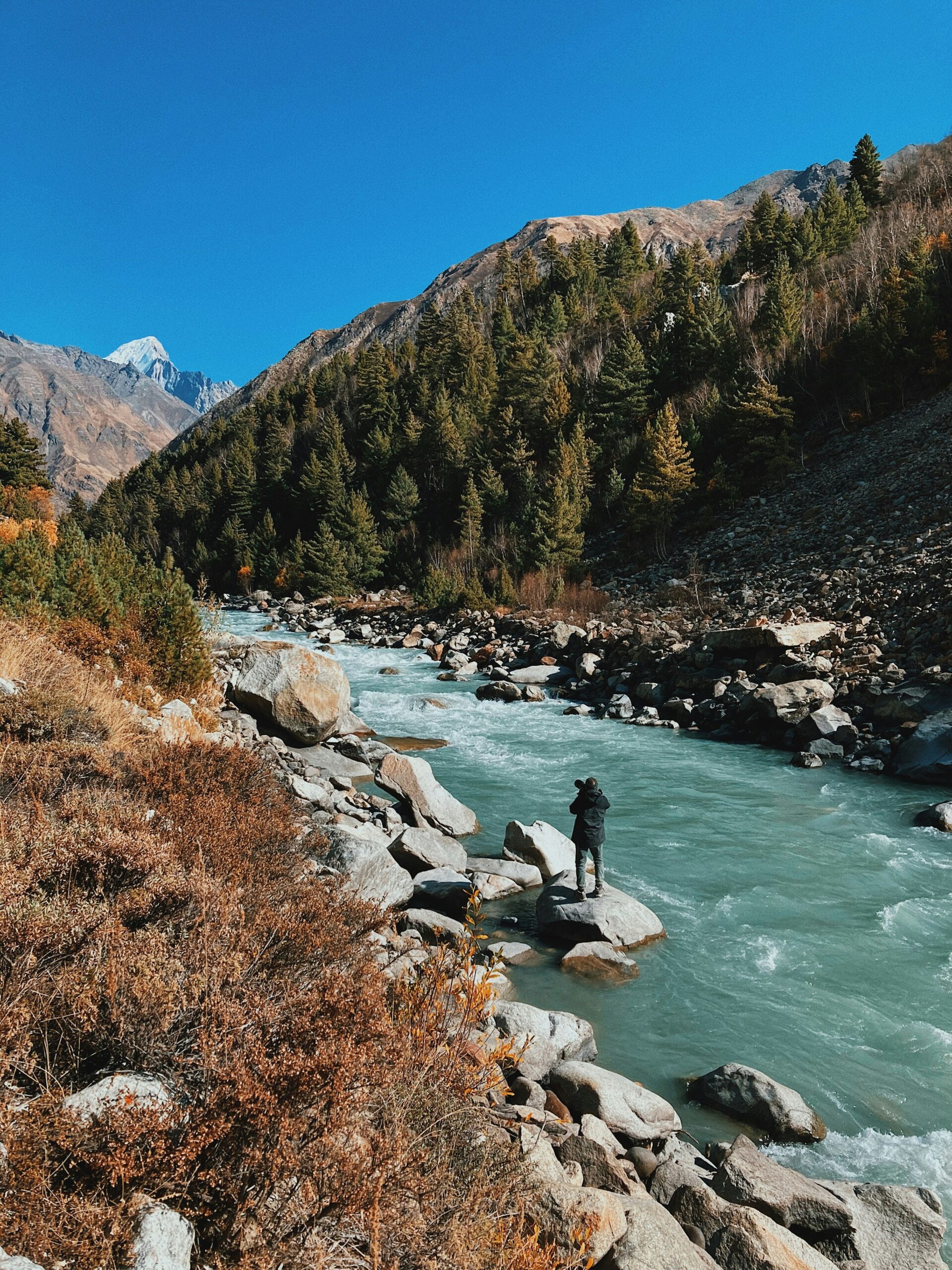
- Sangla to Tato: A moderate 4-5 hour trek through rhododendron forests and alongside the Sutlej River.
- Kalpa to Cheapey: A challenging, but rewarding, day hike offering panoramic views of the Kinner Kailash range.
- Upper Sangla Valley Trek: Multi-day treks ranging from 3-7 days depending on your desired level of challenge – perfect for experienced trekkers.
Practical Tips & What to Pack
Altitude Sickness: Kinnaur Valley sits at a high altitude (around 3,500-4,000 meters), so acclimatization is crucial. Spend a few days in Reckong Peo or Kalpa before venturing deeper into the valley. Drink plenty of water and avoid strenuous activity initially.
Clothing: Pack layers! The weather can change dramatically throughout the day. Bring warm jackets, waterproof gear, sturdy hiking boots, and comfortable walking clothes.
Food & Water: Food options are limited in some villages, so it’s wise to carry snacks. Bottled water is readily available, but consider a water filter or purification tablets for longer treks.
Respect Local Customs: Kinnaur is a conservative region. Dress modestly, especially when visiting religious sites. Always ask permission before taking photographs of people and be mindful of local traditions.
Essential Items
- Sunscreen
- Hat
- Sunglasses
- Insect repellent
- First-aid kit
- Headlamp or flashlight
FAQ
Q: What’s the best time to visit Kinnaur Valley?
The shoulder seasons – March-May (for rhododendrons) and September-November (for clear skies and pleasant temperatures) – are ideal. Avoid the monsoon season (July-August).
Q: Do I need a permit to travel in Kinnaur Valley?
Currently, no special permits are required for independent travel within Kinnaur Valley. However, it’s always wise to check with local authorities before your trip.
Q: What kind of accommodation is available?
You’ll find a range of options from basic guesthouses and homestays in the villages to more comfortable hotels in Reckong Peo and Kalpa. Booking ahead, especially during peak season, is highly recommended.
Q: Is it safe to travel alone in Kinnaur Valley?
Kinnaur Valley is generally a safe place to travel, but it’s always wise to take precautions. Let someone know your itinerary, and consider hiring a local guide for trekking or exploring remote areas.
Q: What are the currency options in Kinnaur Valley?
Indian Rupees (INR) are widely accepted. ATMs are limited, so it’s advisable to carry enough cash, particularly when venturing into smaller villages.
Conclusion
Kinnaur Valley Himachal Pradesh offers a truly unique and unforgettable travel experience. It’s a place where you can reconnect with nature, immerse yourself in ancient traditions, and witness the raw beauty of the Himalayas. This isn’t just a trip; it’s an immersion into a way of life largely untouched by the modern world. If you are looking for adventure, tranquility, and authentic cultural encounters, then Kinnaur Valley should be at the very top of your travel list.
Ready to plan your own Himalayan escape? Contact us today for personalized itinerary planning and expert advice, or browse our curated Kinnaur Valley tours.