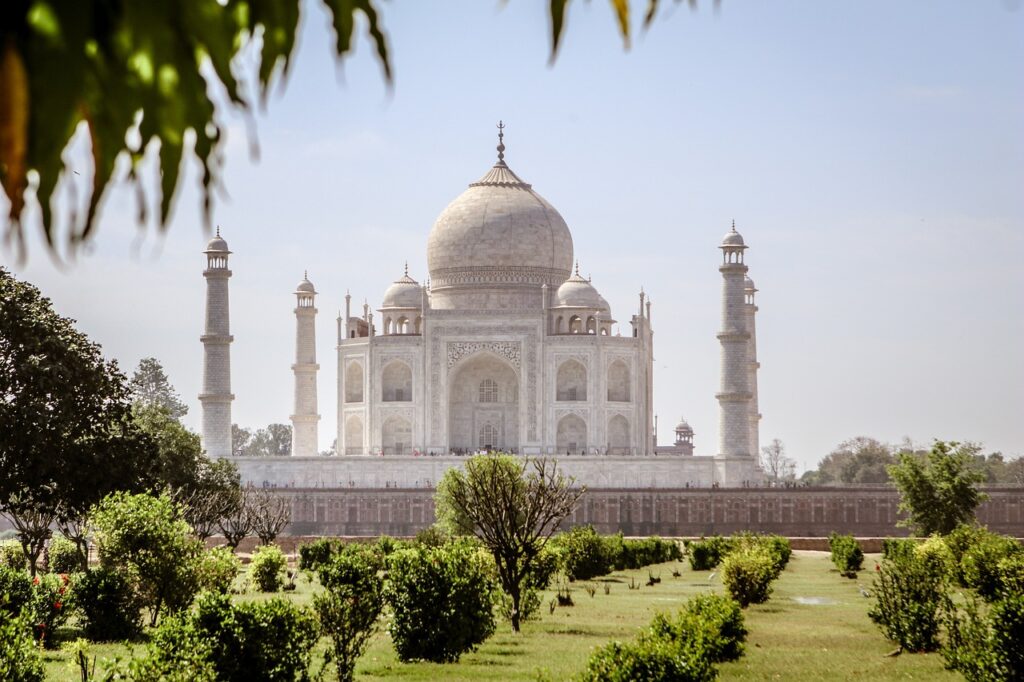
India Travel Health Tips: Your Essential Guide to Staying Safe & Healthy on Your Adventure
Planning an unforgettable journey through India? You’re in for a treat – vibrant culture, stunning landscapes, and incredible food. But before you dive headfirst into the chaos (in the best possible way!), it’s crucial to prioritize your health. This guide is specifically designed for Western travellers like you – coming from the US, UK, or Australia – offering practical plan your India trip advice and ensuring you have a safe and healthy experience. We’ll cover everything from necessary vaccinations to navigating Indian food safety, so you can focus on soaking up the magic of this incredible country. You’ll learn how to effectively manage potential health risks, prevent common travel ailments, and enjoy every moment of your adventure. Let’s get started with these vital india travel health tips!
Pre-Trip Planning – Your Health Checklist
Your preparation starts long before you step off the plane. Being proactive about your health is key to a smooth and enjoyable trip. Here’s what needs to be on your radar:
- Travel Vaccinations India: Discussing travel vaccinations india with your doctor 6-8 weeks before departure is paramount.
- Comprehensive Medical Checkup: A thorough checkup ensures you’re in the best possible health and identifies any pre-existing conditions that might require specific attention during your trip.
- Travel Insurance: Don’t even think about leaving home without comprehensive travel insurance covering medical emergencies, evacuation, and repatriation. Ensure it includes cover for adventure activities if you plan on them.
- Medication Requirements: Pack all necessary prescription medications in their original packaging with a copy of your prescriptions – vital for border crossings and potential issues.
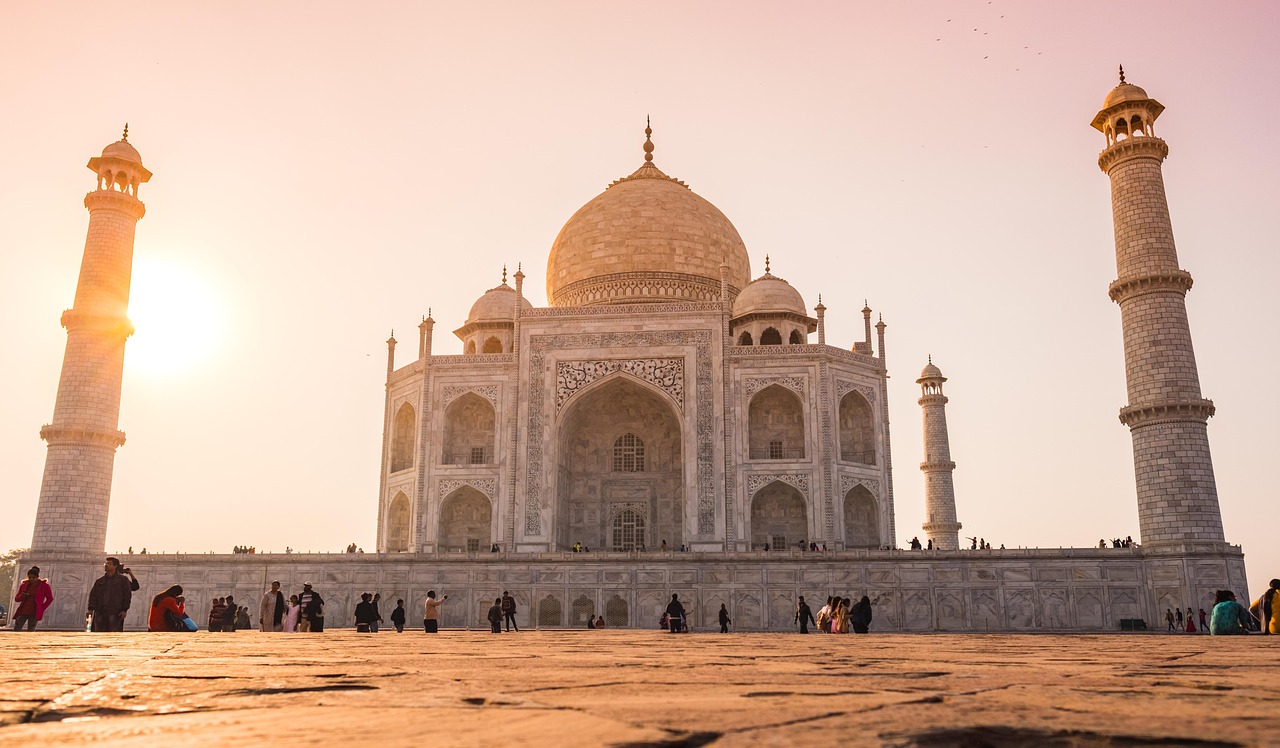
India Travel Health Tips: Staying Safe & Healthy on Your Adventure
Travelling to India demands adaptability and awareness. Ignoring basic health precautions can quickly derail your trip. These india travel health tips will equip you with the knowledge needed for a worry-free adventure.
- Hydration is Key: India’s climate can be incredibly dehydrating. Drink plenty of bottled water (check it’s sealed) or, better yet, filtered water.
- Food Hygiene: Be mindful of where you eat and how your food is prepared.
- Sun Protection: The sun in India is intense – use sunscreen, a hat, and sunglasses.
- Respect Local Customs: Understanding and respecting local customs can also reduce stress and improve your overall experience.
Food and Drink Safety in India
Indian cuisine is a delicious adventure, but it’s crucial to approach it with caution. Indian food safety is paramount.
- Street Food – Approach with Caution: While tempting, street food carries higher risks of contamination. Choose vendors with high turnover and visibly clean preparation areas.
- Cooked Food – Generally Safe: Stick to restaurants that appear busy (a sign of fresh ingredients) and where the food is cooked thoroughly.
- Dairy Products – Be Careful: Unpasteurized dairy products can carry harmful bacteria. Opt for bottled or pasteurized options.
- Avoid Ice: Ice cubes are often made with contaminated water.
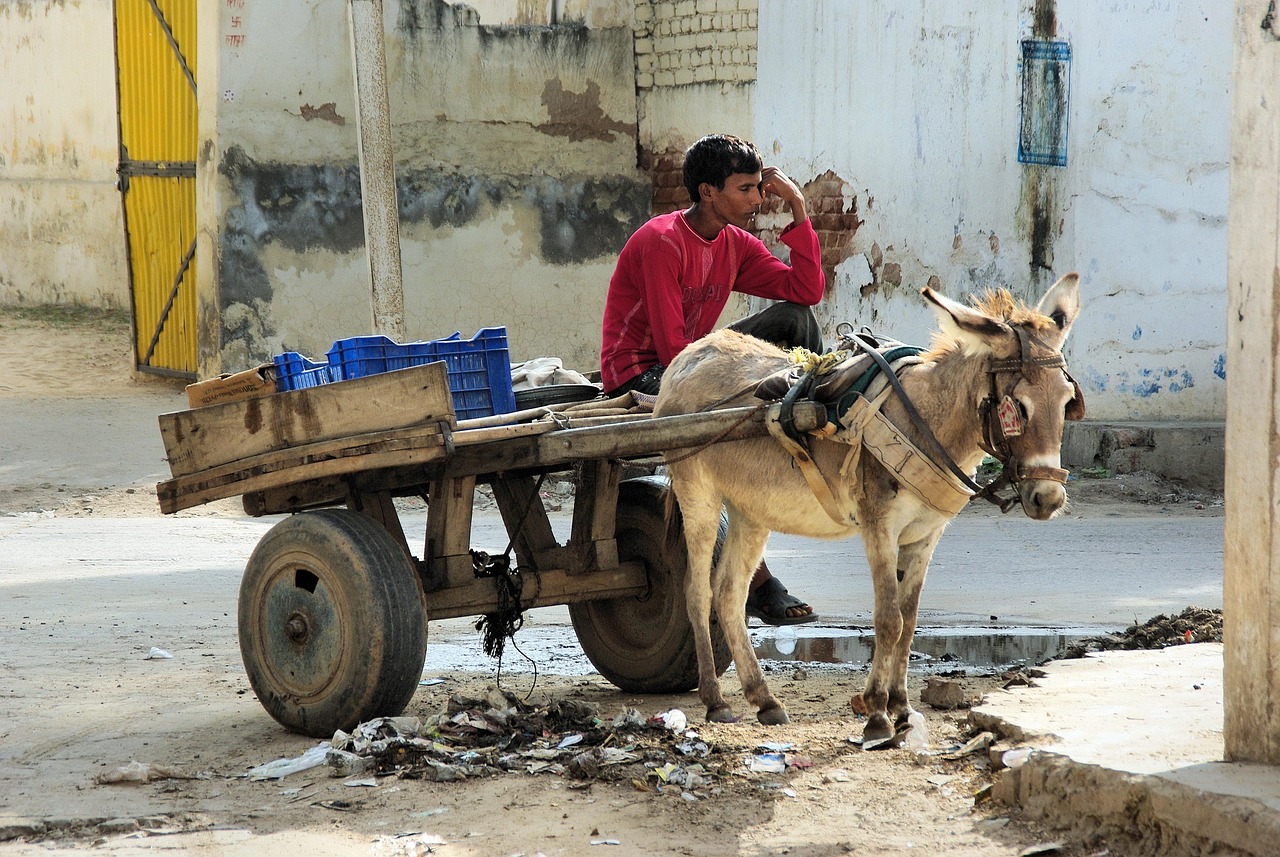
Common Illnesses to Watch Out For
Several health risks are prevalent in India. Being aware of these and taking preventative measures is vital. Understanding india travel health tips can make all the difference.
- Traveler’s Diarrhea: The most common ailment among travellers – caused by contaminated food or water.
- Food Poisoning: Often linked to improperly handled food.
- Respiratory Infections: Dust, pollution, and air conditioning can trigger respiratory issues.
- Skin Irritations: Sunburn, insect bites, and contact with harsh chemicals can cause skin problems.
Altitude Sickness Prevention – A Crucial Consideration
If you’re planning a trip to the Himalayas (like Ladakh), altitude sickness prevention is non-negotiable. The rapid ascent to high altitudes can lead to serious health complications.
- Acclimatize Gradually: Spend at least 24-48 hours at lower elevations before ascending further.
- Drink Plenty of Water: Dehydration exacerbates altitude sickness symptoms.
- Avoid Alcohol and Caffeine: These substances can dehydrate you.
- Consult Your Doctor: Discuss medication options (like acetazolamide) with your doctor beforehand.
Immunizations and Vaccinations for India
Protecting yourself against preventable diseases is essential when travelling to India. The india travel health tips regarding vaccinations are vital. The typical immunizations india schedule includes:
- Hepatitis A and B
- Typhoid
- Yellow Fever (if travelling to endemic areas)
- Measles, Mumps, Rubella (MMR) – check your immunity status
- Tetanus-Diphtheria-Pertussis (Tdap)
- Japanese Encephalitis (depending on region and duration of stay)
Practical Information
Best Time to Visit: October – March offers the most pleasant weather across much of India. The monsoon season (June-September) can bring heavy rainfall, particularly in coastal areas.
Getting There: Indira Gandhi International Airport (DEL) in Delhi is the largest and busiest airport. Major cities also have smaller regional airports.
Getting Around: India offers a diverse range of transport options – domestic flights, trains (incredible experience!), buses, taxis, auto-rickshaws, and ride-sharing apps.
Where to Stay: Budget – Hostels & guesthouses (US$15-30/night); Mid-Range – Boutique hotels & comfortable serviced apartments (US$50-150/night); Luxury – Five-star hotels and resorts (US$200+/night).
Average Costs: Expect to spend approximately US$50-150 per day, excluding flights and accommodation. India can be surprisingly affordable if you travel smart.
FAQ
How long before my trip do I need to get travel vaccinations india?
You should start discussing travel vaccinations india with your doctor 6-8 weeks before your departure date to allow sufficient time for the vaccines to take effect.
What is the typical immunization schedule india?
The standard schedule includes Hepatitis A and B, Typhoid, Yellow Fever (if applicable), MMR, Tdap, and potentially Japanese Encephalitis depending on the region.
How can I prevent preventing traveler’s diarrhea in India?
Practice strict food hygiene – eat at reputable restaurants, avoid street food unless carefully selected, drink only bottled or filtered water, and consider taking a probiotic supplement.
What are the key indian food safety considerations?
Be cautious about street food, ensure your food is cooked thoroughly, avoid ice cubes, and opt for pasteurized dairy products to minimize the risk of contamination.
Is altitude sickness prevention important when visiting mountainous regions?
Absolutely! Rapid ascent can cause altitude sickness. Acclimatize gradually, drink plenty of water, avoid alcohol and caffeine, and consult your doctor about medication options like acetazolamide.
Conclusion
India travel health tips are more than just a checklist; they’re an investment in your adventure. By prioritizing your well-being, you can fully immerse yourself in the beauty and wonder of this incredible country. Remember, preparation is key to unlocking a truly unforgettable experience. With these guidelines, you’ll be well-equipped to navigate any challenges and create memories that will last a lifetime. Ready to plan your India trip? Contact us today to discuss India trip itineraries and let us help you craft the perfect journey!