
Kaziranga National Park: Your Ultimate First-Timer’s Guide to Seeing India’s Wild Rhinos
Planning an incredible India trip and dreaming of witnessing one of the world’s most majestic creatures? Then you need to add Kaziranga National Park to your itinerary! This guide provides everything you need to know for a truly unforgettable wildlife adventure, focusing on seeing the iconic Indian rhinoceros. We’ll cover everything from the best time to visit and how to maximise your chances of spotting these incredible animals, giving you the confidence to explore this unique corner of North East India travel.
Introduction
The Kaziranga National Park is a UNESCO World Heritage Site nestled in the Golaghat district of Assam, India. It’s renowned as the primary habitat for the Indian rhinoceros and also supports thriving populations of tigers, elephants, wild water buffaloes, swamp porcupines, hissing snakes, monkeys, and a variety of bird species. This incredible park is more than just a wildlife destination; it’s a vital center for rhino conservation India, playing a critical role in the survival of this endangered animal. It’s a truly immersive experience that connects you with the raw beauty of nature and offers a profound appreciation for biodiversity. Considering your first foray into Indian wildlife, India trip itineraries can be customized to include it.
When to Go
Determining the best time to visit Kaziranga National Park depends largely on your priorities – wildlife viewing versus weather. The ideal window is generally from November to April. During these months, the weather is pleasant—cool and dry—making it perfect for game drives. The grasslands are at their greenest, and visibility is excellent, dramatically increasing your chances of spotting rhinos and other animals. However, this is also peak season, so expect higher prices and more visitors. May to October sees increased rainfall, flooding parts of the park, and making some areas inaccessible. While wildlife viewing can still be rewarding during this period, it’s a much more challenging experience. The best time to visit Kaziranga for optimal sightings is undeniably November through April.
Weather Considerations
- November – February: Coolest temperatures (15-25°C / 59-77°F), clear skies, ideal for wildlife viewing.
- March – May: Warming temperatures (25-35°C / 77-95°F), increased humidity, potential for afternoon showers.
- June – October: Monsoon season (high rainfall), park access limited to certain areas, fewer tourists.
- November – February: Coolest temperatures (15-25°C / 59-77°F), clear skies, ideal for wildlife viewing.
Getting There
Reaching Kaziranga National Park requires a bit of planning, but it’s well worth the effort. The nearest major airport is Jorhat Airport (JRH), approximately 97 km away. From there, you can hire a taxi or take a pre-booked car to Kaziranga – roughly a 2-3 hour drive. Another option is Guwahati Airport (GAU) which is about 215km away and offers more international flights. Alternatively, you can travel by train to Furkating Junction, the nearest railway station, which is around 40 km from the park entrance. From Furkating, a taxi or shared jeep will take you to Kaziranga.
Transportation Options
- Flying: Jorhat Airport (JRH) – approx. 2 hours drive.
- Train: Furkating Junction – approx. 40km drive.
- Road: Taxi/Shared Jeep from Furkating or Jorhat.
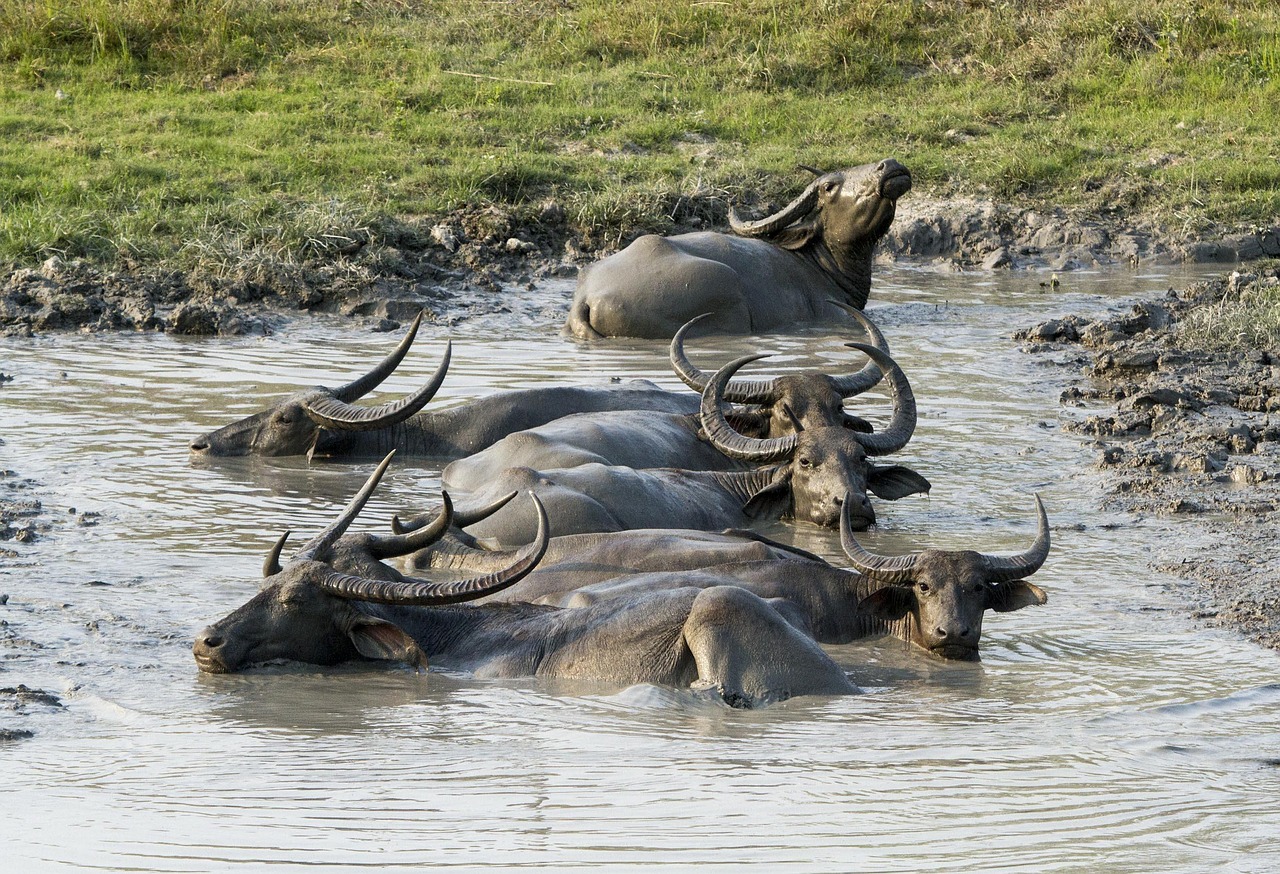
Kaziranga National Park Experience
A visit to Kaziranga National Park is a deeply rewarding experience, offering a chance to connect with some of the world’s most incredible wildlife. The park is divided into three ranges – Bagori, Burapahar, and Central Range – each offering slightly different landscapes and viewing opportunities. The central range offers the best chances for seeing tigers but all ranges offer stunning scenery and abundant rhino sightings. You’ll spend your days traversing the vast grasslands and wetlands in jeeps or on foot (with a guide), immersing yourself in the sights and sounds of this incredible ecosystem. The park’s conservation efforts are truly remarkable, showcasing India’s commitment to protecting its natural heritage. Understanding wildlife safari india is key to maximizing your enjoyment.
Range Specifics
- Bagori Range: Known for high rhino density and diverse birdlife.
- Burapahar Range: Offers rugged terrain, excellent tiger spotting possibilities, and a more secluded experience.
- Central Range: Primarily focused on rhino conservation and offers a good mix of landscapes.
Wildlife Safaris and Rhino Spotting
The core of any trip to Kaziranga National Park is undoubtedly the wildlife safaris. You’ll typically join guided jeep safaris, led by experienced naturalists who can point out interesting flora and fauna and provide insights into the park’s ecosystem. Rhinos are incredibly elusive, so patience and a keen eye are essential! Your guide will use their knowledge of rhino behaviour to increase your chances of spotting them. Remember that photography is a significant part of this experience – capturing those iconic moments with India’s wild rhinos is what many travellers come here for. This exemplifies the best of assam wildlife tours.
Safari Tips
- Book your safaris in advance, especially during peak season.
- Bring binoculars and a good camera with a zoom lens.
- Wear comfortable clothing and sturdy shoes.
- Follow the instructions of your guide carefully.
Accommodation Options
Accommodation options around Kaziranga National Park cater to various budgets, from rustic lodges to luxurious resorts. The park itself doesn’t have accommodation inside the boundaries, but nearby towns like Bokakhat and Furkating offer a range of choices. For budget travellers, guesthouses and homestays are plentiful. Mid-range hotels provide comfortable amenities, while luxury resorts offer unparalleled service and stunning views.
Accommodation Recommendations
- Budget: Guesthouses in Bokakhat (approx. ₹1000 – ₹2500 per night).
- Mid-Range: Hotel Sonaram Resort, Kaziranga (approx. ₹6000 – ₹12000 per night).
- Luxury: Diphlu River Lodge (approx. ₹15000+ per night).

Practical Information
Here’s everything you need to know for planning your trip to Kaziranga National Park:
- Best Time to Visit: November – April
- Getting There: As detailed above (Jorhat Airport, Furkating Railway Station)
- Permits & Fees: Entry fees for the park vary depending on your nationality and vehicle type. Check the latest rates on the Assam Tourism website.
- Getting Around: Jeeps are the primary mode of transport within the park. Taxis and shared jeeps are available from nearby towns.
- Where to Stay: Bokakhat, Furkating, and Jonbeel offer a range of accommodation options (as detailed above).
- Average Costs: Expect to spend around ₹8,000 – ₹15,000 per person for a 3-day/2-night trip (excluding flights), depending on your choices.
FAQ
How do I book safari tickets?
Safari tickets can be booked online through the Assam Tourism website or directly through authorized tour operators. It’s recommended to book in advance, particularly during peak season.
What kind of wildlife can I see besides rhinos?
Besides rhinos, you might spot tigers, elephants, wild buffaloes, swamp porcupines, various bird species, monkeys and several reptile types within Kaziranga National Park.
Is photography allowed inside the park?
Yes, photography is generally permitted, but flash photography is prohibited as it can disturb the animals. Always respect the guidelines of your guide.
What vaccinations should I get before visiting India?
Consult your doctor for recommended vaccinations based on your travel plans. Common recommendations include Hepatitis A and Typhoid.
How much does a wildlife safari cost in Kaziranga?
The cost of a wildlife safari varies depending on the duration, type of vehicle (jeep or elephant), and guide. Expect to pay around ₹2,500 – ₹4,000 per person per day.
Conclusion
A journey to Kaziranga National Park is more than just a vacation; it’s an immersion into the heart of India’s incredible biodiversity and a powerful reminder of the importance of wildlife conservation. Witnessing these magnificent rhinos in their natural habitat is a truly humbling experience, and we hope this guide has equipped you with everything you need to plan your adventure. Ready to start planning your dream trip? Plan your India trip today!