Exploring the Rugged Beauty of Coorg: A First-Timer’s Guide
Planning a Coorg travel guide? You’ve chosen brilliantly. Nestled in Karnataka, India, Coorg (also known as Kodagu) is a breathtaking hill station offering a unique blend of lush coffee plantations, cascading waterfalls, misty hills, and vibrant culture. If you’re a Western traveller – coming from the US, UK or Australia – prepared for an experience that will challenge your senses and leave you utterly captivated. This guide breaks down everything you need to know for an unforgettable trip.
Introduction: Why Coorg Should Be Your Next Adventure
Forget the crowded beaches and bustling cities; Coorg offers a completely different pace of life. It’s a place where time seems to slow down, where the air is crisp and clean, and where you can truly disconnect from the everyday. The region is renowned for its coffee – some of the best in India – and its stunning natural beauty. It’s incredibly accessible, making it perfect for first-time visitors to India who want a taste of authentic hill station charm without feeling overwhelmed. The locals are known for their warm hospitality, and you’ll find yourself drawn into conversations and experiences you wouldn’t find anywhere else.
Getting There & Getting Around
Reaching Coorg is relatively straightforward. The nearest airport is Mangalore International Airport (IXE), approximately 130km away. From there, you can hire a taxi or take a pre-booked car service. Bangalore’s Kempegowda International Airport (BLR) is another option – roughly 290km away. Rental cars are available in both cities but driving in Coorg itself can be challenging due to narrow roads and hairpin turns. The best way to explore is by hiring a driver for the duration of your stay, or renting a scooter if you’re comfortable navigating the winding roads.
Exploring Coorg’s Coffee Plantations
You simply cannot visit Coorg without immersing yourself in its world-famous coffee culture. The region is one of India’s largest coffee producing areas, and countless plantations open their doors to visitors. Many offer guided tours where you can learn about the entire process – from bean to cup. You’ll see how the cherries are handpicked, processed, dried, and roasted, culminating in a tasting session of some incredibly rich and flavorful coffee.
Top Coffee Plantations to Visit:
- Tata Cora Jeevan Plantation: Known for its stunning views, well-maintained gardens, and informative tours. They often host traditional Kodagu music performances.
- Kodachadri Coffee Estates: Offers a more rustic experience with demonstrations of traditional coffee making methods.
- Baradalu Estate: This smaller, family-run plantation offers a personal touch and a deep dive into the history of coffee cultivation in Coorg.
Don’t just take a tour; talk to the farmers! Ask about their lives, their traditions, and the challenges they face. It’s these authentic interactions that make your coffee plantations coorg experience truly special.

Waterfalls of Coorg: Cascades & Serenity
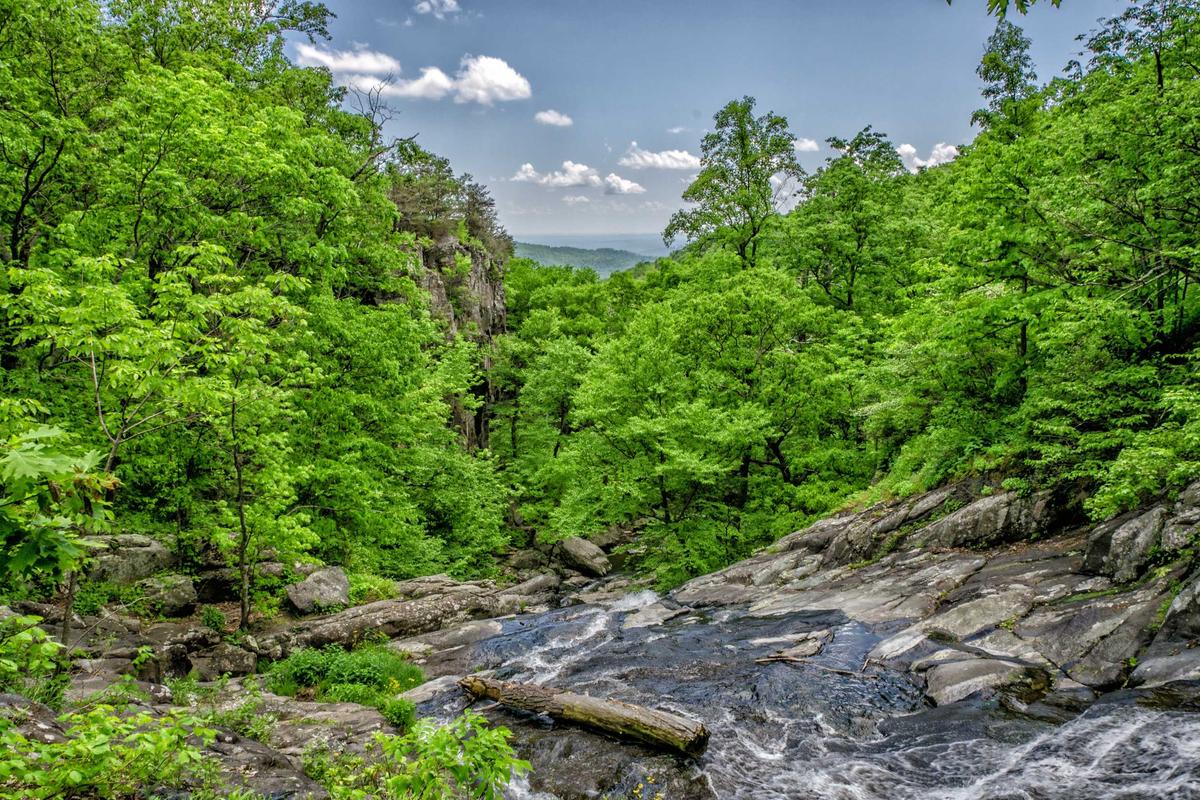
Coorg’s lush terrain is dotted with spectacular waterfalls, each offering a unique and refreshing escape. The best time to visit the waterfalls is during or after the monsoon season (June-September) when they are at their fullest glory. However, be prepared for some slippery conditions!
Must-See Waterfalls:
- Abbey Falls: Perhaps Coorg’s most famous waterfall, Abbey Falls plunges dramatically down a rocky cliff – it’s truly a sight to behold! The road leading to the falls can be narrow and winding.
- Iruppu Falls: Located within the Western Ghats rainforest, Iruppu Falls is known for its constant flow of water and the associated temple dedicated to Lord Shiva.
- Chelavara Falls: A hidden gem offering a more secluded experience. The hike to reach the falls is moderately challenging but rewarding.
Remember to wear waterproof shoes and be cautious when getting close to the waterfalls – the rocks are often slippery.
Hill Stations of Coorg & Beyond
Beyond the coffee and waterfalls, Coorg boasts stunning hill stations offering panoramic views and opportunities for trekking. The region is part of the Western Ghats mountain range, providing a diverse landscape of rolling hills, dense forests, and misty valleys.
Exploring the Hills:
- Tadi Matt Peak: The highest peak in Coorg, offering incredible views on a clear day. A challenging trek is required to reach the summit.
- Nagarhole National Park (Rudra Wildlife Sanctuary): While technically not *in* Coorg, it’s incredibly close and offers fantastic opportunities for wildlife spotting – elephants, tigers, leopards, deer, and a huge variety of birds. Remember to book safaris in advance.
- Dubare Elephant Camp: Get up close and personal with rescued elephants at this unique camp where you can feed them, bathe them (seasonal), and learn about elephant conservation efforts.
Food & Culture in Coorg
Coorg’s cuisine is heavily influenced by its coffee-growing heritage and the region’s unique climate. Expect a lot of pork dishes – particularly pork with country-style curry (a local specialty) – and rice-based meals. Don’t miss trying the traditional Kodava breakfast, which often includes akki roti (rice pancake), mutton chutney, and coffee.
Must-Try Dishes:
- Pork Vindaloo: A spicy pork dish cooked in vinegar and spices.
- Akki Roti: A traditional rice pancake served with chutney.
- Kadambuttu: Steamed rice dumplings, a staple of Kodava cuisine.
You’ll also find opportunities to experience Kodagu culture through local festivals and traditions – check the calendar for events during your visit.
FAQ – Your Coorg Travel Questions Answered
1. What is the best time to visit Coorg?
The best time to visit Coorg is between September and May. The weather is pleasant, with comfortable temperatures and less rainfall. Monsoon season (June-September) brings lush greenery but also heavy rain.
2. Do I need a visa to travel to India?
Yes, most Western travellers require a tourist e-Visa for India. You can apply online at the official Indian government website. Allow ample time for processing – it typically takes around 48 hours.
3. What is the currency in Coorg?
The currency in India is the Indian Rupee (INR). ATMs are available in major towns, but it’s advisable to carry some cash, especially when venturing into rural areas. Credit cards are accepted at larger hotels and restaurants.
4. Is English widely spoken in Coorg?
Yes, English is widely spoken, particularly in tourist areas and by younger generations. However, learning a few basic Hindi phrases will be appreciated by locals.
5. What vaccinations should I get before travelling to India?
Consult your doctor about recommended vaccinations for India. Common recommendations include Hepatitis A & B, Typhoid, Tetanus, and Japanese Encephalitis.
Conclusion
Coorg travel guide is complete! Coorg is a truly special destination that offers something for everyone – from coffee lovers and waterfall enthusiasts to wildlife admirers and those seeking tranquility. It’s an experience that will stay with you long after you’ve left, offering a genuine glimpse into the heart of India. Don’t just read about it; plan your adventure today! Ready to trade the familiar for the extraordinary? Click here to start researching flights and accommodation – let your Coorg journey begin!