Exploring the Tribal Villages of Meghalaya: A First-Timer’s Guide to Living Root Bridges and Jaintia Hills
Meghalaya, meaning “Abode of Clouds,” is more than just a pretty name; it’s an experience. For Western travellers – particularly those from the US, UK, or Australia – seeking something truly unique, a place untouched by mass tourism yet brimming with ancient traditions and breathtaking landscapes, Meghalaya offers exactly that. This Meghalaya tribal villages guide focuses on your first foray into this incredible state, specifically exploring the Jaintia Hills region and its remarkable living root bridges. Prepare to be amazed.
Planning Your Trip: Logistics & Essentials
Getting to Meghalaya is an adventure in itself! The closest major airport is Shillong (SHL), but flights are infrequent, so most travellers will fly into Guwahati (GAU) – Assam’s capital. From there, you’ll need a private car or taxi to reach Shillong (approx. 3 hours). Hiring a driver for your entire Meghalaya trip is *highly* recommended; roads can be challenging and navigating independently is difficult.
Important Essentials: Pack layers! The weather in Meghalaya is notoriously unpredictable, shifting from sunshine to torrential rain within minutes. Waterproof gear (jacket, trousers), sturdy hiking boots are absolutely crucial. Insect repellent is a must-have, as are sunscreen and a hat. Cash is king – ATMs can be unreliable outside Shillong, so stock up beforehand. Respectful attire is vital when visiting tribal villages; modest clothing covering shoulders and knees is expected.
The Jaintia Hills: A Land of Ancient Roots
The Jaintia Hills, nestled in the western part of Meghalaya, are the heartland of the Khasi people – one of India’s oldest matrilineal societies. This region offers a raw, authentic experience, far removed from the crowds you might find elsewhere. The landscape is dramatic: steep valleys carved by rivers, rolling hills covered in lush forests, and, of course, those incredible living root bridges.
Living Root Bridges: Engineering Marvels
Let’s talk about the stars of the show – the living root bridges. These aren’t your average wooden structures; they are living arteries crafted by the Khasi people over generations. They start with carefully selected rubber fig trees (Ficus elastica) whose roots are guided and trained across rivers using a combination of bamboo supports, weaving, and sheer patience. The process takes decades, sometimes centuries, to complete a bridge. Walking across one is an unforgettable experience – feeling the strength and resilience of nature, and witnessing a tradition that’s been passed down for countless years.
Some of the most impressive living root bridges you’ll find in the Jaintia Hills include: Nohwet Living Root Bridge (the longest), Duboi Living Root Bridge, and Riwai Living Root Bridge. Each bridge has its own unique character and story. Be aware that some bridges are still under construction, and access can be challenging – a guide is *essential* for safety.

Exploring Mawlynnong: Asia’s Cleanest Village
Just a short drive from the Jaintia Hills, you’ll find Mawlynnong, often touted as “Asia’s Cleanest Village.” This is no exaggeration! The Khasi community here takes immense pride in their village and has implemented strict waste management practices. You’ll be impressed by the meticulously maintained pathways, flower gardens, and bamboo dustbins – a truly inspiring example of sustainable living.
Mawlynnong isn’t just about cleanliness; it’s also a fantastic place to experience Khasi culture. You can visit a traditional Khasi house, learn about their matrilineal system (where inheritance passes through the female line), and enjoy delicious local cuisine – try *Jadoh* (rice cooked with pork blood) if you’re feeling adventurous!
Other Must-Visit Villages & Activities
Beyond Mawlynnong and the living root bridges, there are countless other Meghalaya tribal villages to explore. Consider visiting:
- Shillong: The capital city offers a blend of colonial architecture, vibrant markets, and stunning viewpoints (Lady Lummer’s Peak is a must-do).
- Jowai: A hub for living root bridge exploration, Jowai provides access to several less-visited bridges.
- Baghmukhgre: Home to the impressive Umshiang Living Root Bridge – a challenging but rewarding hike.
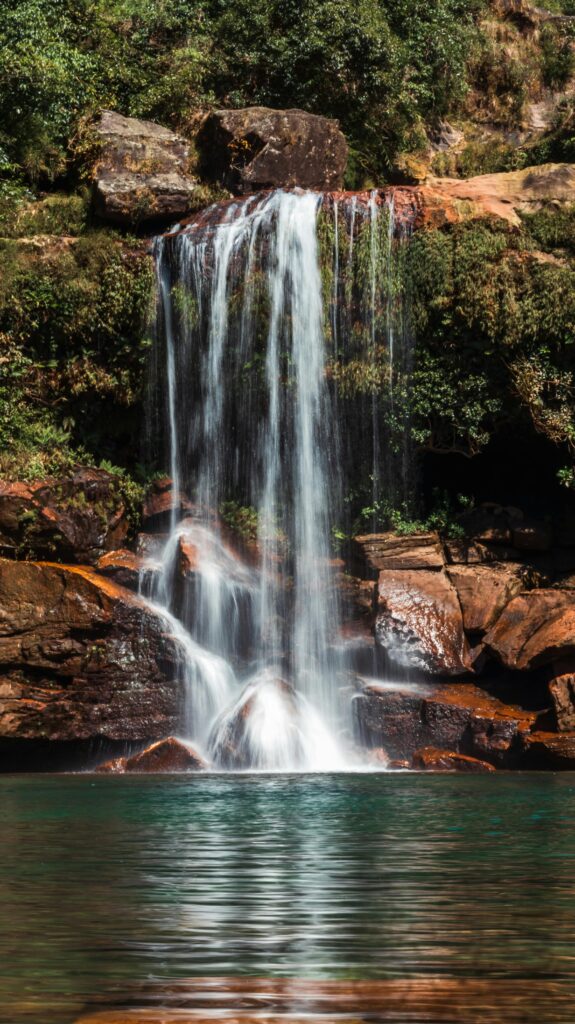
Activities beyond exploring the bridges include trekking through rainforests, visiting waterfalls (Seven Sisters Falls is spectacular), and learning about traditional Khasi crafts like weaving and pottery. Homestays offer an immersive way to experience local life.

Respecting the Culture & Environment
It’s crucial to remember that you’re a guest in someone else’s home. Always ask permission before taking photographs of people, and be mindful of local customs and traditions. Support local businesses – buy handicrafts directly from artisans, eat at local restaurants, and choose locally owned guesthouses.
Environmental sustainability is paramount. Stick to marked trails, don’t litter, and avoid disturbing the natural environment in any way. The living root bridges are a delicate ecosystem; treat them with respect.
Food & Drink: A Taste of Meghalaya
Meghalaya’s cuisine is as diverse as its landscape. Rice is a staple, often cooked with pork (especially in Jadoh), chicken, or vegetables. Don’t miss out on trying *Dohkhlieh* (a spicy pork dish) and *Pumaloi* (steamed rice wrapped in banana leaves).
Local beverages include *Rasa*, a traditional rice beer, and various fruit juices – the region is known for its oranges and pineapples.

FAQ – Your Meghalaya Questions Answered
Q1: What’s the best time to visit Meghalaya?
The monsoon season (June-September) is incredible for seeing the region at its most lush and vibrant, but be prepared for heavy rain. The dry season (October-May) offers pleasant weather for trekking and exploring.
Q2: Do I need a permit to visit certain areas?
Currently, permits are not required for most tourist destinations in Meghalaya. However, it’s always advisable to check the latest regulations before your trip, particularly if you’re planning to venture into remote areas.
Q3: How much does it cost to travel in Meghalaya?
Budget around $50 – $150 USD per day, depending on your accommodation choices and activities. Accommodation ranges from budget guesthouses to luxury resorts. Transportation costs will vary based on whether you hire a private car or use public transport.
Q4: What language do people speak in Meghalaya?
Khasi is the primary language spoken, but English is widely understood, especially in tourist areas.
Q5: Is it safe to travel alone in Meghalaya?
Meghalaya is generally a very safe state for tourists. However, as with any destination, it’s important to be aware of your surroundings and take precautions against petty theft. Hiring a local guide can enhance your safety and provide valuable insights.
Conclusion: Embrace the Magic of Meghalaya
Exploring the Meghalaya tribal villages is more than just a vacation; it’s an immersion into a unique culture, a chance to witness ancient traditions, and an opportunity to connect with nature in its purest form. The living root bridges are a testament to human ingenuity and resilience – a truly humbling experience. We hope this guide has given you the confidence to plan your own adventure.
Don’t just dream about it – start planning! Meghalaya awaits, ready to captivate you with its beauty and charm. Click here [link to booking site] to begin crafting your unforgettable journey.