Exploring the Undiscovered Beauty of Gujarat’s Little Rann: A First-Timer’s Guide
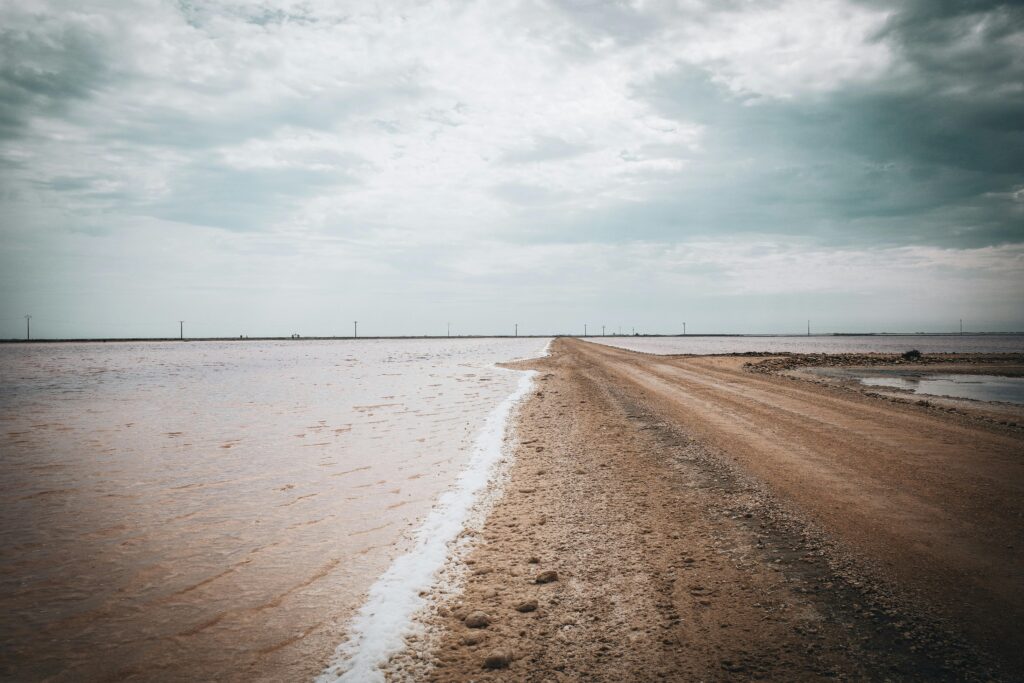
Gujarat, a state often overshadowed by Rajasthan, holds a secret – the Little Rann of Kutch. This vast, windswept plateau, stretching over 700 square kilometers, is far more than just a desert; it’s a vibrant ecosystem teeming with wildlife and offering experiences that feel genuinely off-the-beaten-path. If you’re looking for an authentic Indian adventure, one that blends dramatic landscapes, incredible stargazing, and encounters with traditional tribal communities, then the **Little Rann Gujarat** needs to be at the top of your list. This guide will equip you with everything you need for a memorable first trip.
Forget the crowded tourist trails – this is India as it’s slowly revealing itself, raw and beautiful. It’s a place where the silence is broken only by the wind whistling across the grasslands and the occasional call of a jackal. This guide will delve into everything from planning your trip to maximizing your wildlife spotting opportunities and immersing yourself in local culture.
Wildlife Encounters: The Wild Ass Sanctuary
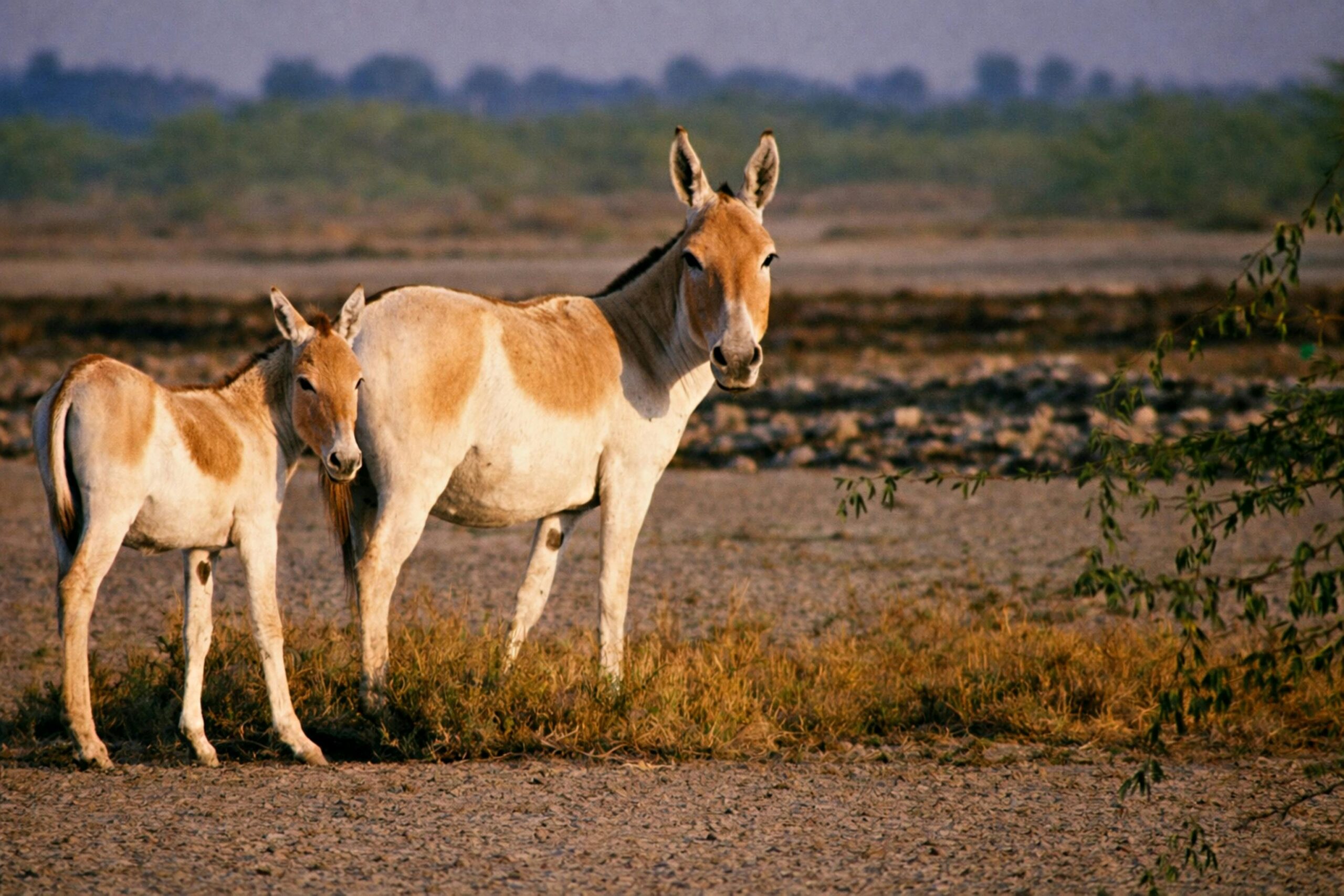
The primary reason most people visit the Little Rann is, undoubtedly, the endangered Indian Wild Ass (Gharial). Around 600 of these majestic creatures roam freely across the grasslands, a truly remarkable sight. However, the Little Rann supports a hugely diverse range of wildlife including:
- Chinkara Gazelles
- Desert Foxes
- Yellow-throated Vultures (a key conservation success story)
- Indian Fox
- Various species of birds – raptors, storks, and migratory waders are common.
The best time to spot the wild asses is during the winter months (November to February) when they congregate around seasonal water sources. Early mornings and late afternoons offer the best light for photography and increased wildlife activity. You’ll need a knowledgeable guide – seriously, don’t try to navigate this area on your own; local guides are indispensable for spotting animals and understanding their behavior. Several reputable tour operators based in Kutch will arrange safaris, often including packed lunches and refreshments. Don’t expect luxury – safari vehicles are typically jeeps or SUVs, offering a comfortable but rustic experience. Remember binoculars are essential!
Safari Logistics & Considerations
* **Permits:** Entry to the sanctuary requires permits which your guide will usually arrange for you.
* **Guides:** As mentioned, a local guide is *crucial*. They know the best routes and have expert knowledge of the wildlife. Look for guides certified by the Gujarat Forest Department.
* **Respect Wildlife:** Maintain a safe distance from the animals – at least 100 meters (330 feet). Avoid making loud noises or sudden movements that could startle them.
* **Clothing:** Pack layers! The temperature can fluctuate dramatically throughout the day, especially during winter. Neutral colors are best for blending in with the environment. Sturdy walking shoes are a must.
Beyond Wildlife: Star Gazing and Traditional Villages
The Little Rann isn’t just about wildlife; it’s also one of India’s best locations for stargazing. With minimal light pollution, the night sky explodes with a breathtaking display of constellations, planets, and even the Milky Way. Several eco-lodges and homestays in the area offer organized stargazing experiences led by astronomy enthusiasts. They’ll provide telescopes and guide you through identifying celestial objects. It’s an incredibly humbling experience to feel so connected to the universe.
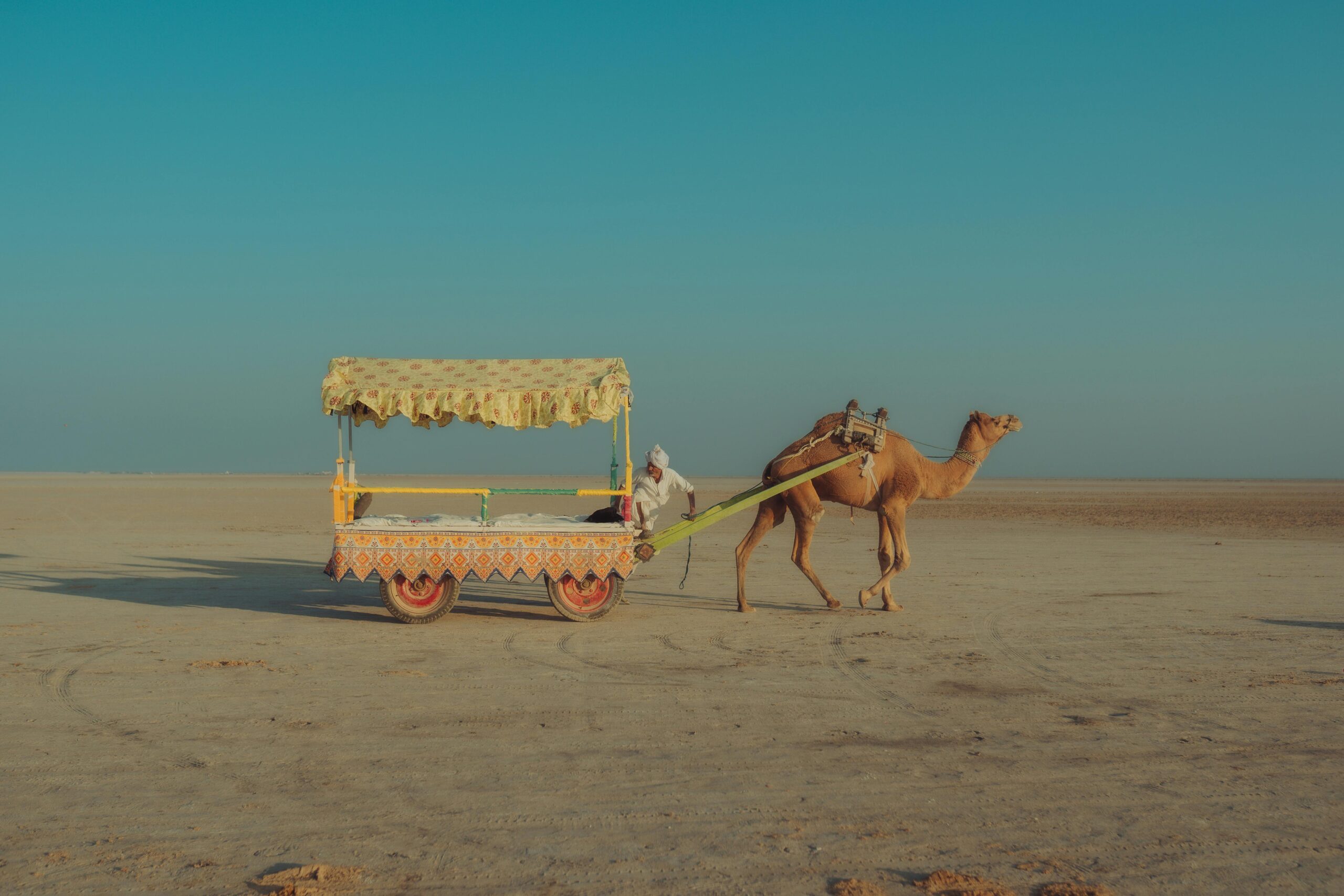
But the magic doesn’t stop there. The Rann is dotted with villages inhabited by the Rabari, a nomadic tribal community deeply rooted in their traditions. Visiting these villages offers a genuine insight into rural Gujarat life. Many tour operators offer opportunities for cultural immersion – you can participate in traditional crafts like weaving and pottery making, learn about their customs, and enjoy a delicious home-cooked meal (often featuring *dhokla*, a local specialty). Be mindful of respecting the villagers’ privacy and traditions; ask before taking photographs and always seek permission. Supporting local businesses directly benefits the community.
Exploring the Villages: Cultural Sensitivity
* **Dress Code:** Dress modestly when visiting villages – cover your shoulders and knees.
* **Photography:** Always ask permission before photographing people or their homes.
* **Bargaining:** Bargaining is expected in markets, but do so respectfully.
* **Gifts:** Small gifts (like sweets or stationery) are often appreciated by children.
Planning Your Trip to the Little Rann Gujarat
Getting to the Little Rann isn’t straightforward, which adds to its appeal. The nearest major city is Bhuj (approximately 120km), from where you can hire a taxi or take a bus to Kutch, the heart of the sanctuary.
- Flights: The closest airport is Bhuj Airport (BHJ).
- Road Travel: Renting a car is an option if you’re comfortable driving on relatively rough roads. A 4×4 vehicle is highly recommended for navigating the terrain, especially during the monsoon season.
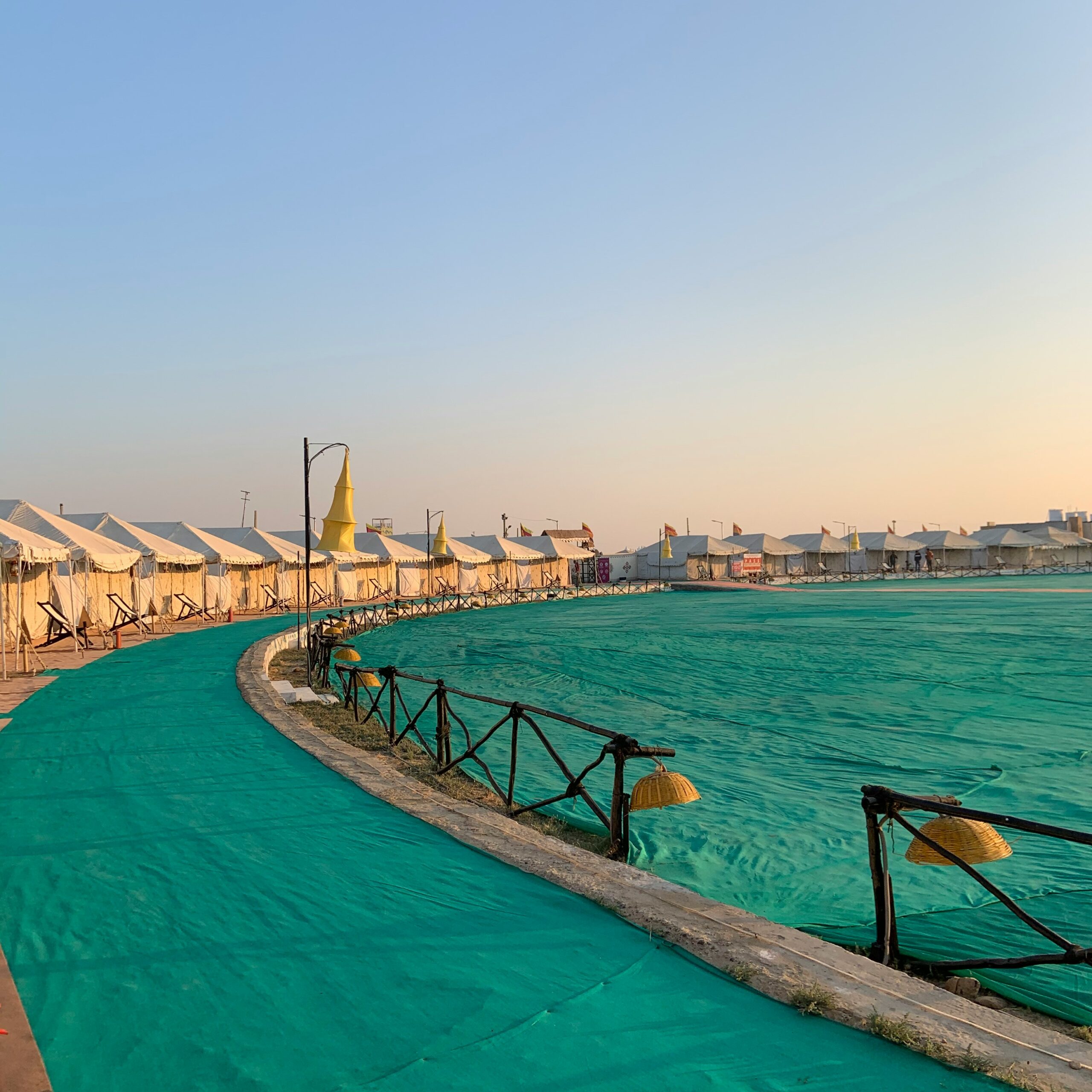
**Accommodation:** Options range from basic guesthouses in Kutch to eco-lodges and homestays within the sanctuary or surrounding villages. Booking in advance is advisable, particularly during peak season (November – February).
Essential Tips for Your Trip
* **Best Time to Visit:** November to February (winter months) offers the best weather and wildlife viewing opportunities. The monsoon season (June-September) is beautiful but challenging due to heavy rains and flooded roads.
* **Health:** Consult your doctor about necessary vaccinations and malaria prophylaxis. Carry insect repellent.
* **Currency:** Indian Rupees (INR). ATMs are available in Kutch, but it’s advisable to carry cash for smaller villages.
* **Language:** Gujarati is the local language; Hindi and English are widely spoken in tourist areas.
Frequently Asked Questions (FAQs)
Q: Is it possible to self-drive to the Little Rann?
A: While technically possible, we strongly recommend hiring a guide or joining a safari tour. The roads are rough and navigating without local knowledge is difficult and potentially dangerous.
Q: What should I pack for stargazing?
A: Warm clothing (layers), binoculars, a flashlight with a red light setting (to preserve your night vision), and a comfortable chair or blanket are essential.
Q: Are there opportunities to learn about traditional crafts in the villages?
A: Absolutely! Many tour operators offer workshops where you can try weaving, pottery making, or other traditional crafts. It’s a fantastic way to connect with the local culture.
Q: How far is Kutch from major cities like Mumbai and Ahmedabad?
A: Kutch is approximately 260km from Mumbai and 480km from Ahmedabad.
Conclusion
The Little Rann Gujarat offers a truly unique travel experience – a chance to witness incredible wildlife, marvel at the night sky, and connect with traditional cultures. It’s a destination that rewards adventurous travelers willing to step off the beaten path. This isn’t just a trip; it’s an immersion into the heart of India’s wild beauty. Don’t just read about it – experience it! Start planning your **Little Rann Gujarat** adventure today and discover a side of India you won’t soon forget. Ready to book your safari? Check out our recommended tour operators on exploreindiaguides.com for unforgettable experiences.