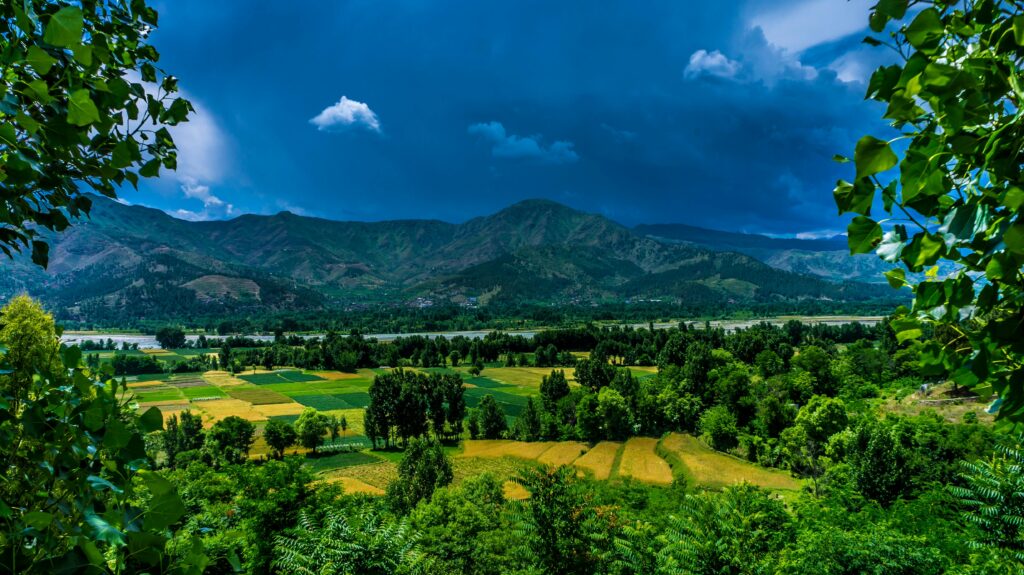
Exploring the Untamed Beauty of Ziro Valley Arunachal Pradesh
Planning an adventure that truly feels off-the-beaten-path? Forget the crowded beaches and well-trodden tourist routes – India’s hidden heart beats strong in Ziro Valley Arunachal Pradesh. This isn’t your typical Indian holiday; it’s a journey into a world of vibrant tribal culture, breathtaking rice terraces carved into steep hillsides, and challenging mountain trails that reward you with panoramic vistas. For Western travellers seeking authentic experiences and raw natural beauty, Ziro Valley offers an unparalleled immersion into India’s diverse soul. This guide will equip you for your first foray into this remarkable region.
Getting There & Logistics: Reaching the Heart of Arunachal
Reaching Ziro Valley Arunachal Pradesh is part of the adventure itself. It’s not easy, and that’s precisely what keeps it so special. The most common route involves flying into Guwahati (Gauhati) in Assam, followed by a shared jeep or taxi to Namgiang (also known as Ziro). The drive from Guwahati is approximately 300km and takes around 6-8 hours, depending on road conditions – and they can vary significantly. Be prepared for winding roads, occasional landslides, and stunning mountain scenery. Permits are absolutely essential! You’ll need an Inner Line Permit (ILP) to enter Arunachal Pradesh, obtainable through the Assam Tourist Development Corporation (ATDC) or authorized travel agencies. Booking your ILP in advance is *crucial*, especially during peak season (March-May & September-November). Consider hiring a local driver for the entire trip – it’s worth the investment for both convenience and navigating the terrain.
Immersing Yourself in Tribal Culture: Visiting Ziro Apatani
The heart of Ziro Valley Arunachal Pradesh lies with the Apatani tribe, renowned for their unique double-lobed eyes (a result of a genetic adaptation to consuming freshwater) and sophisticated agricultural practices. Visiting their villages offers an incredibly humbling experience. The main village you’ll likely visit is Hong, known for its beautifully maintained traditional houses – “Nyanchu” – constructed from bamboo and timber. You’ll see women engaged in intricate weaving activities, men tending rice fields, and children playing with handmade toys. Remember to be respectful; photography is permitted but always ask permission before taking pictures of individuals. Supporting local artisans by purchasing their crafts directly is a fantastic way to contribute to the community’s economy.
Witnessing Agricultural Majesty: Rice Terraces in Ziro
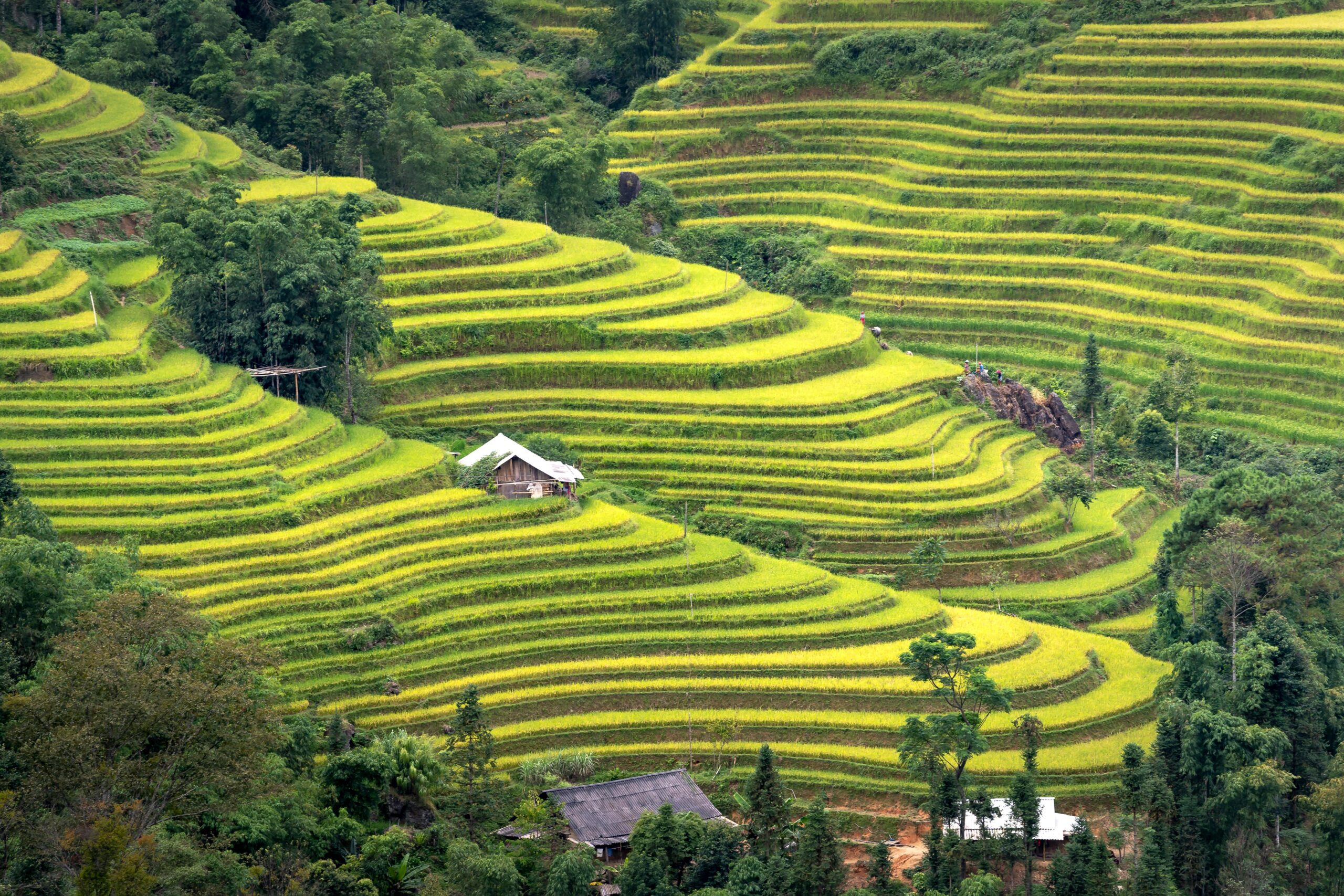
The landscape of Ziro Valley Arunachal Pradesh is dominated by terraced rice fields – a testament to the Apatani people’s ingenuity and their harmonious relationship with nature. These meticulously crafted terraces, carved into the steep hillsides over centuries, create a mesmerizing patchwork of green against the backdrop of towering mountains. The best time to witness this agricultural wonder at its fullest is during the monsoons (June-September) when the fields are flooded, creating stunning reflections. Walking through the villages and observing farmers working in these traditional settings offers a truly unique perspective on rural India.
Hiking Adventures: Exploring Mountain Trails
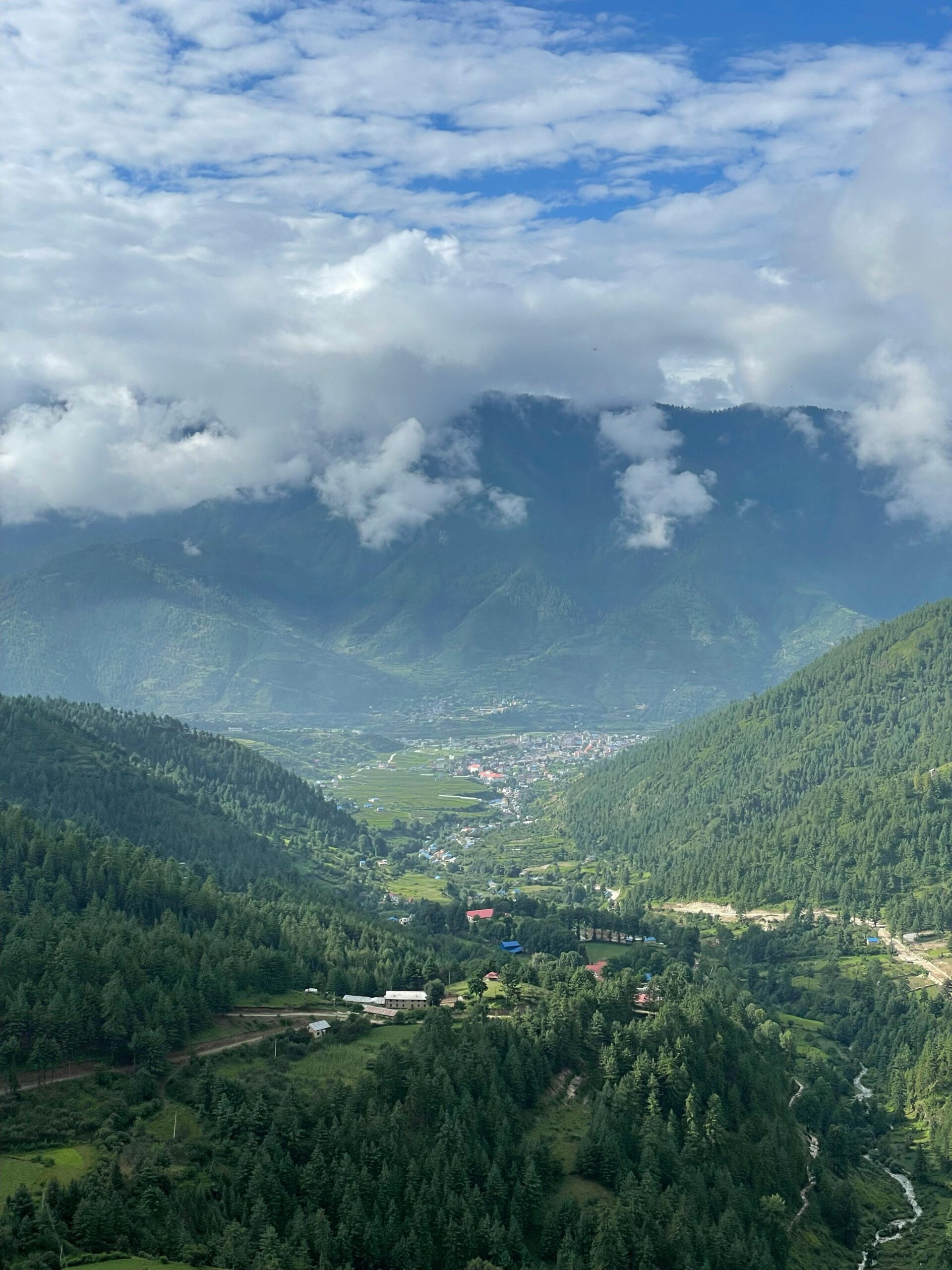
For those seeking adventure, Ziro Valley Arunachal Pradesh boasts an impressive network of mountain trails. While challenging in parts, the rewards are well worth the effort. The popular trek to Talley Valley offers stunning views of the valley below and the surrounding mountains. Shradhanjali Lake, nestled amidst lush greenery, is another fantastic hiking destination. You can hire a local guide for these treks – they not only ensure your safety but also provide invaluable insights into the region’s flora, fauna, and culture. Be sure to wear sturdy hiking boots, pack plenty of water, and check weather conditions before setting out. Consider shorter day hikes or longer multi-day treks depending on your experience level.
Beyond Ziro: Exploring Nearby Attractions
While Ziro itself is the main draw, there are other worthwhile places to explore in the surrounding area. Japori Lake offers beautiful scenery and opportunities for boating. The Miyaoyu Waterfall is a refreshing sight after a hike. A short drive takes you to Purvipur – an ancient site with remnants of Buddhist monasteries, offering a glimpse into Arunachal Pradesh’s rich history.
Accommodation in Ziro Valley
Accommodation options in Ziro Valley Arunachal Pradesh are limited but improving. You’ll find a mix of homestays and small hotels. Homestays offer the most authentic experience, allowing you to live alongside Apatani families and learn about their way of life. Hotels typically provide basic amenities and comfortable rooms. Booking in advance is recommended, especially during peak season.
Respectful Travel Tips for Arunachal Pradesh
Arunachal Pradesh is a sensitive region with a rich cultural heritage. Here are some key things to keep in mind:
- Permits are mandatory – don’t attempt to enter without one.
- Dress modestly, particularly when visiting villages.
- Ask permission before taking photos of people and their homes.
- Respect local customs and traditions.
- Support local businesses – buy handicrafts directly from artisans.
- Be mindful of the environment – leave no trace behind.
Food & Drink in Ziro Valley
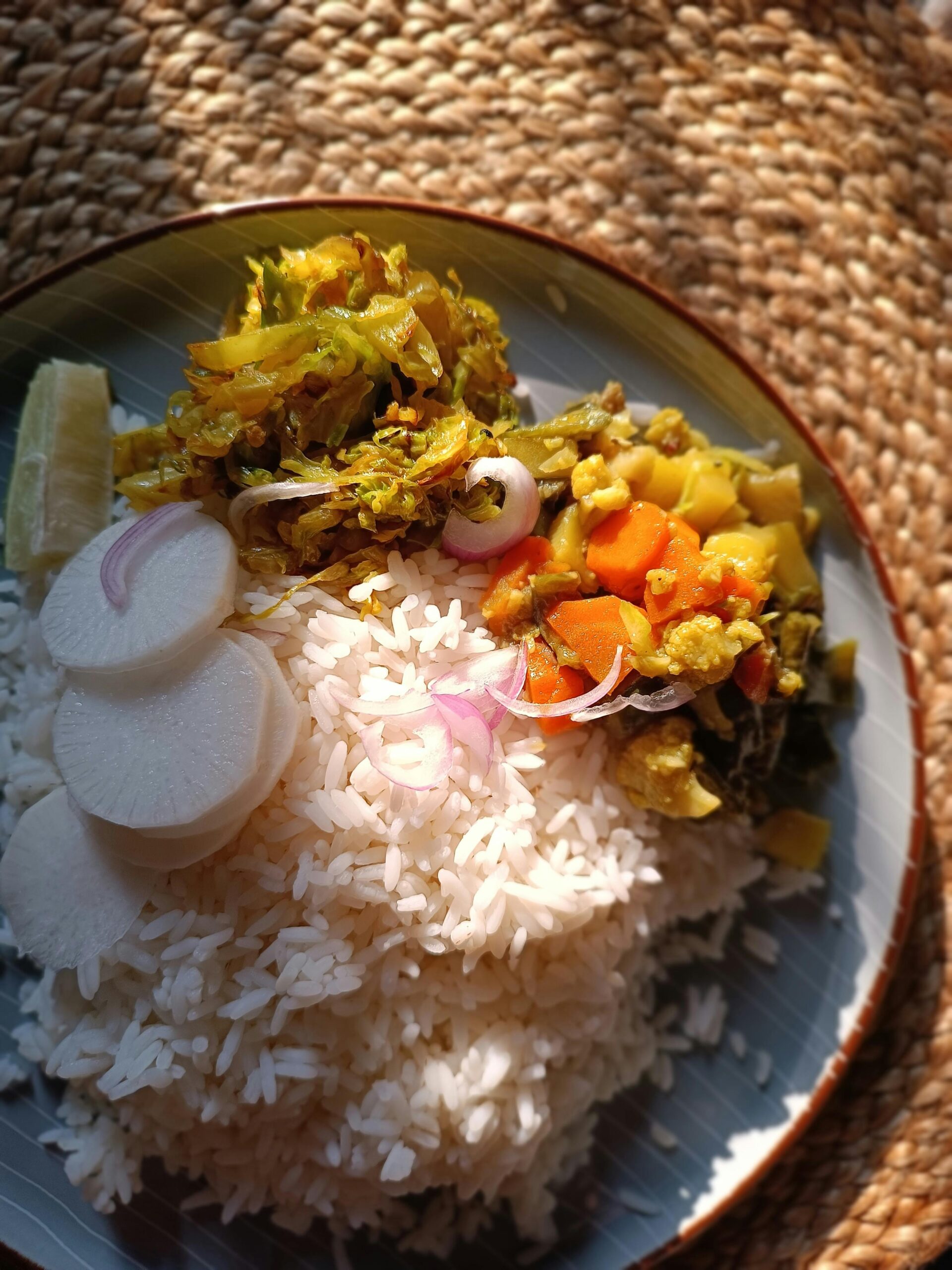
The cuisine in Ziro Valley Arunachal Pradesh is simple but delicious, focusing on locally grown rice and vegetables. You’ll find plenty of opportunities to sample traditional Apatani dishes like *Biyer* (a fermented soybean dish) and *Pika* (rice cooked with bamboo leaves). Freshly brewed tea is a staple, and you’ll also find opportunities to try local alcoholic beverages.
Essential Packing List
- Sturdy hiking boots
- Warm clothing (layers are key)
- Rain gear
- Sunscreen and hat
- Insect repellent
- First-aid kit
- Headlamp or flashlight
FAQ – Your Ziro Valley Questions Answered
Here are some frequently asked questions about visiting Ziro Valley Arunachal Pradesh:
Q: How difficult is it to get an ILP?
Getting an Inner Line Permit can be a bit of a process. It’s best to apply through ATDC or a reputable travel agency. Allow ample time for processing – ideally, book your permit at least 2-3 weeks in advance.
Q: What is the best time to visit Ziro Valley?
The shoulder seasons (March-May & September-November) offer pleasant weather and fewer crowds. Avoid the monsoon season (June-September) due to heavy rainfall and potential road closures.
Q: Can I hire a guide for trekking?
Absolutely! Hiring a local guide is highly recommended, especially if you’re unfamiliar with the terrain. They can ensure your safety, provide valuable insights, and enhance your experience.
Q: Are there ATMs in Ziro Valley?
There are limited ATM facilities available in Ziro. It’s advisable to bring sufficient cash, as ATMs may not always be functional.
Q: What kind of accommodation is available?
You’ll find a mix of homestays and small hotels. Homestays offer the most immersive cultural experience, while hotels provide more familiar amenities.
Ziro Valley Arunachal Pradesh isn’t just a destination; it’s an awakening. It’s a reminder that there are still places on Earth where tradition thrives, and nature reigns supreme.
Conclusion
Your journey to Ziro Valley Arunachal Pradesh will undoubtedly be one of the most rewarding experiences of your life. You’ll return with memories of stunning landscapes, genuine human connection, and a deeper appreciation for the beauty and resilience of India’s tribal cultures. Don’t just dream about adventure – go out there and discover it! Ready to plan your trip? Contact exploreindiaguides.com today for personalized itineraries and expert advice.