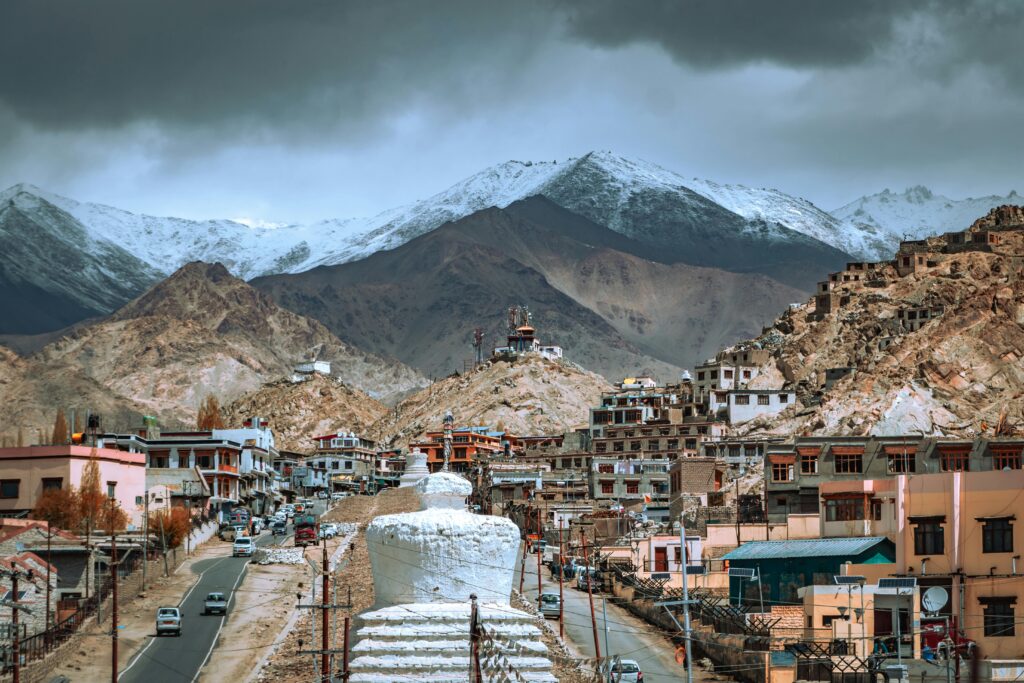
Exploring the Ancient City of Leh: A First-Timer’s Guide to Ladakh’s Capital – Monasteries, Markets and High-Altitude Culture
Planning a Leh Ladakh Travel Guide? You’ve chosen an incredible destination. Ladakh, often called “Little Tibet,” is a land of stark beauty, ancient traditions, and genuinely welcoming people. This guide will equip you with everything you need to make your first trip to Leh, the capital, unforgettable. Get ready for adventure!
Getting There & Acclimatization – Crucial First Steps
Reaching Leh is an experience in itself. The most common route is via the Srinagar-Leh Highway, a breathtaking road journey that winds through towering mountains and alongside the Indus River. Flights into Kushok Bakula Airport (IXL) are increasingly available but offer less of the raw, unforgettable travel experience. Regardless of how you arrive, acclimatization is absolutely vital. Leh sits at 3,500 meters (11,500 feet), making it significantly higher than most Westerners are accustomed to.
Upon arrival, don’t rush into strenuous activities. Spend your first two to three days simply resting, hydrating constantly (water is *key* – seriously!), and eating light meals. Avoid alcohol and smoking. Gentle walking around Leh town, exploring the market areas, or visiting a nearby monastery like Thiksey Monastery will help your body adjust. Listen to your body; if you feel unwell—headache, nausea, dizziness—rest immediately.
Altitude Sickness Prevention
Before you even consider travel, consult your doctor about altitude sickness medication (acetazolamide is commonly prescribed). Diamox can significantly reduce the effects of altitude. However, it’s not a magic bullet; acclimatization remains crucial. Keep coca tea handy – it’s a traditional remedy that works for many.
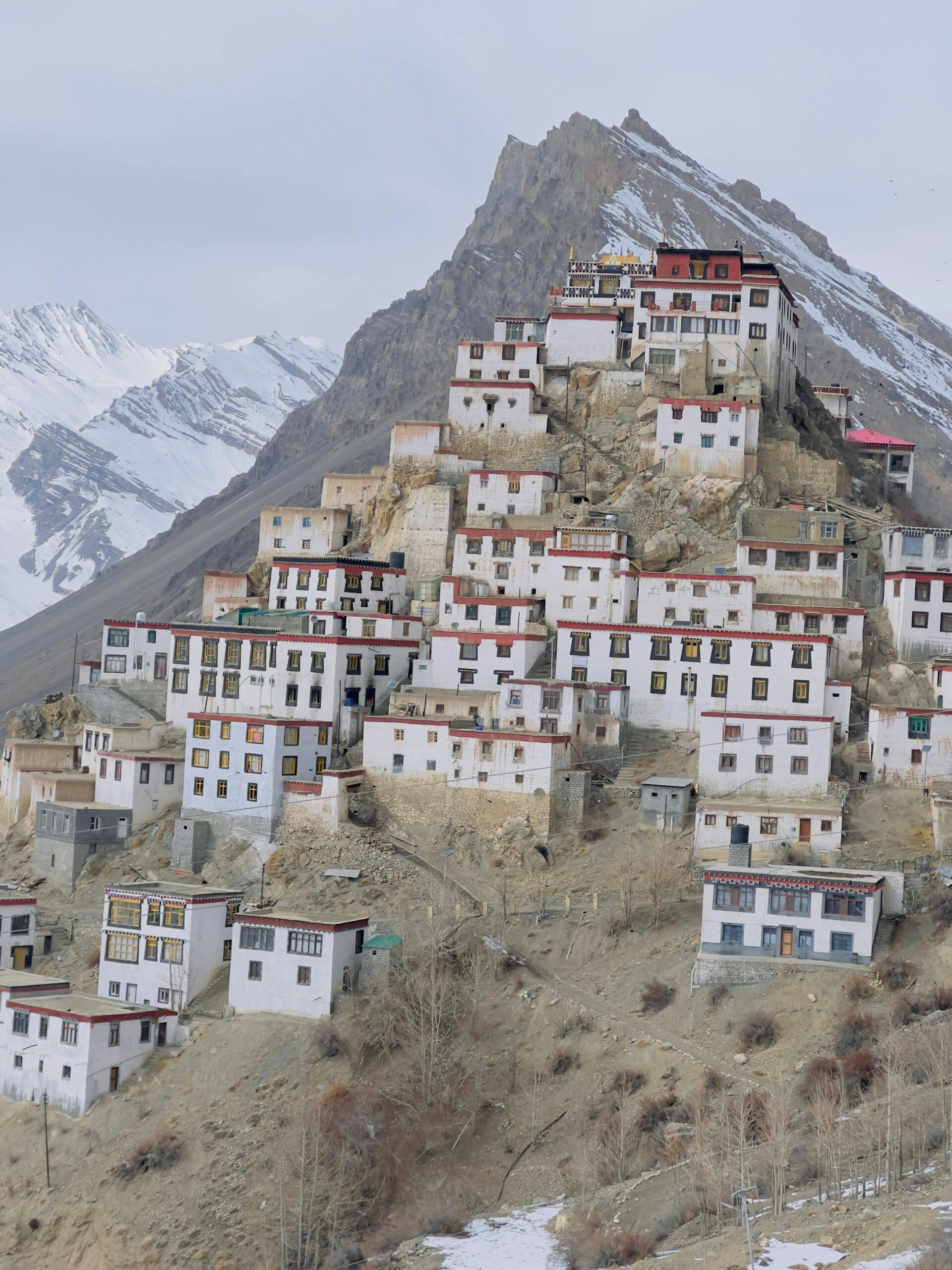
Exploring Leh Town: Monasteries & Culture
Leh town itself is a fascinating blend of Tibetan and Indian influences. The old town, with its narrow lanes and traditional mud-brick houses, retains much of its ancient charm. But the real treasures are the monasteries.
Key Monasteries to Visit:
- Thiksey Monastery: Arguably Leh’s most impressive monastery, Thiksey is a sprawling complex with several temples, prayer halls, and living quarters. Don’t miss the 18-foot statue of Maitreya Buddha.
- Hemis Monastery: Known for its annual Hemis Festival (held in June/July), Hemis is one of Ladakh’s largest monasteries and houses a vast collection of thangkas (religious paintings).
- Shanti Stupa: Built by the Japanese Bhikshu Shakyamuni, this white-domed stupa offers panoramic views of Leh town. It’s a fantastic spot for sunrise or sunset.
- Phyang Monastery: A bit further out from Leh but worth the trip, Phyang is renowned for its unique “Sleeping Buddha” statue.
Take time to observe the rituals and practices within these monasteries – it’s a deeply spiritual experience. Dress respectfully (shoulders and knees covered) and ask permission before taking photographs.
Leh Markets: A Sensory Overload
The Leh markets are an absolute must-visit, offering a vibrant glimpse into local life. The main market is located near the Leh Palace and spills out onto several side streets. Prepare for sensory overload – the smells of spices, carpets, and yak wool will hit you immediately.
What to Buy in Leh Markets:
- Shawls & Carpets: Ladakh is famous for its handwoven shawls and carpets made from sheep’s wool. Bargaining is expected (and encouraged!), but be respectful.
- Prayer Flags & Tassels: These colorful flags are strung out across the landscape to spread blessings. You can buy them in various sizes.
- Spices & Dried Fruits: Ladakh produces some fantastic spices and dried fruits – a perfect souvenir.
- Traditional Ladakhi Crafts: Look for wooden carvings, thangkas, and other handcrafted items.
Don’t be afraid to chat with the vendors; they’re often happy to share stories about their culture and crafts.
Beyond Leh: Day Trips & Nubra Valley Adventures
While Leh itself has plenty to offer, you absolutely *must* explore the surrounding region. Permits are required for travel beyond Leh – you’ll need one for Nubra Valley and Pangong Tso.
Nubra Valley Leh (Permit Required):
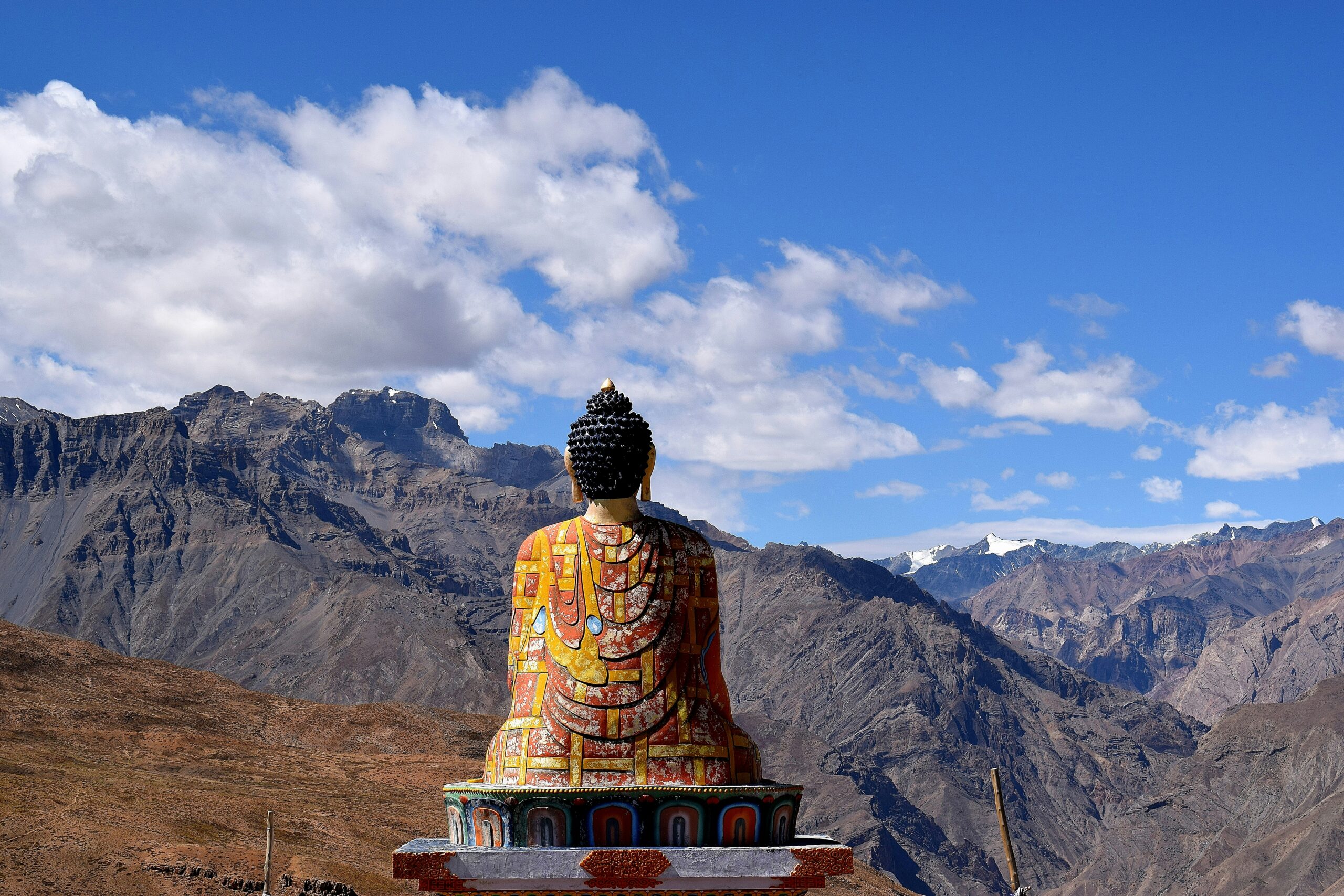
A popular day trip from Leh is to Nubra Valley, famous for its sand dunes and Bactrian camels. The drive itself is spectacular, passing through the Khardung La, one of the highest motorable passes in the world. You’ll visit Diskit Monastery (home to a massive Buddha statue) and Hunder village, where you can ride Bactrian camels across the sand dunes.
Pangong Tso Leh (Permit Required):
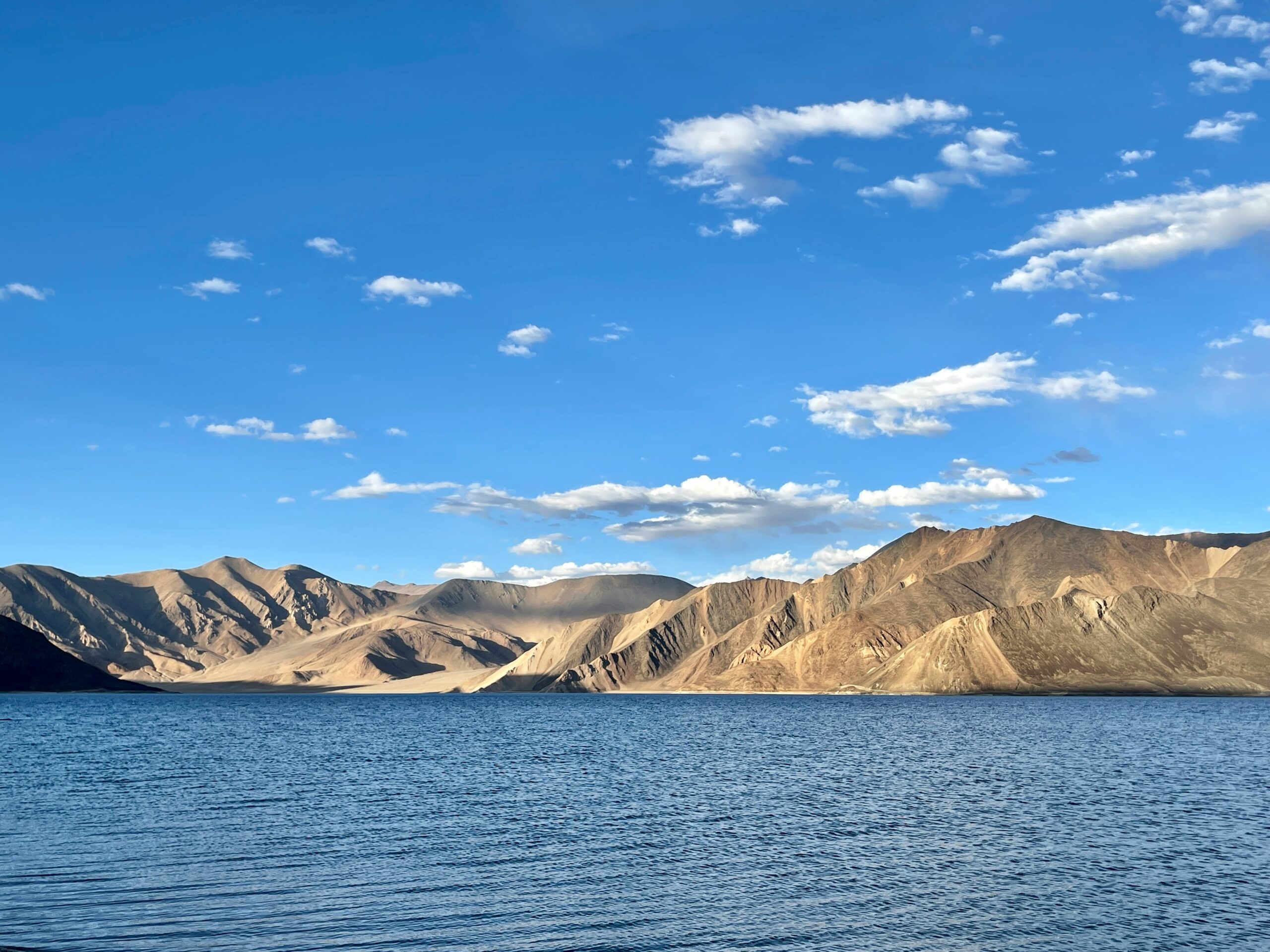
For a longer day trip or overnight excursion, consider Pangong Tso – a stunning high-altitude lake known for its incredible colors. The journey is long but incredibly rewarding. Be prepared for cold temperatures!
Food & Drink in Leh Ladakh
Ladakhi cuisine is hearty and warming, designed to combat the cold climate. Momos (steamed dumplings) are a staple, often filled with meat or vegetables. Thukpa (noodle soup) is another popular dish. Try Skyu (a type of barley flour dumpling) and Tingmo (fermented bread).
You’ll find plenty of restaurants offering both Indian and Western food in Leh. Don’t miss trying the local butter tea – it’s an acquired taste but a traditional part of Ladakhi hospitality.
Important Notes for Your Trip:
- Permits: As mentioned, you’ll need permits to visit Nubra Valley and Pangong Tso. These can be arranged through tour operators or travel agencies in Leh.
- Altitude Sickness: Take it seriously! Listen to your body and don’t push yourself too hard.
- Cash is King: While some establishments accept cards, it’s best to carry cash, especially when venturing outside Leh town.
- Respect Local Culture: Ladakh is a conservative region; dress modestly and be mindful of local customs.
Frequently Asked Questions (FAQs)
Q1: Do I need a special permit to visit Leh Ladakh?
Yes, you require an Inner Line Permit to travel to Nubra Valley and Pangong Tso. This allows Indian nationals and foreign tourists with visas to enter these restricted areas.
Q2: What’s the best time to visit Leh Ladakh?
The best time to visit is generally from June to September when the weather is warmer and roads are open. However, be aware that this is also peak season, so expect crowds.
Q3: How much does a trip to Leh Ladakh cost?
Costs vary greatly depending on your travel style. Budget travelers can expect to spend around $750-$1200 per person for a 7-10 day trip, while more luxurious trips can easily exceed $2500.
Q4: What kind of clothing should I pack?
Pack layers! Temperatures in Leh can fluctuate dramatically. Bring warm jackets, sweaters, thermal underwear, hats, gloves, scarves, and comfortable walking shoes. Don’t forget sunscreen and sunglasses – the sun is incredibly strong at high altitude.
Q5: Is it safe to travel alone in Leh Ladakh?
Leh Ladakh is generally a very safe destination for solo travelers. However, it’s always wise to be aware of your surroundings and take precautions against petty theft.
Conclusion
Exploring Leh Ladakh Travel Guide is an experience that will stay with you long after you’ve left. This incredible region offers a unique blend of adventure, culture, and breathtaking scenery. Take the time to acclimatize, respect local traditions, and embrace the unexpected – it’s a journey you won’t regret. Ready to start planning your own adventure? Contact us today for customized Ladakh itineraries and expert advice. Let’s make your dream trip to ‘Little Tibet’ a reality!