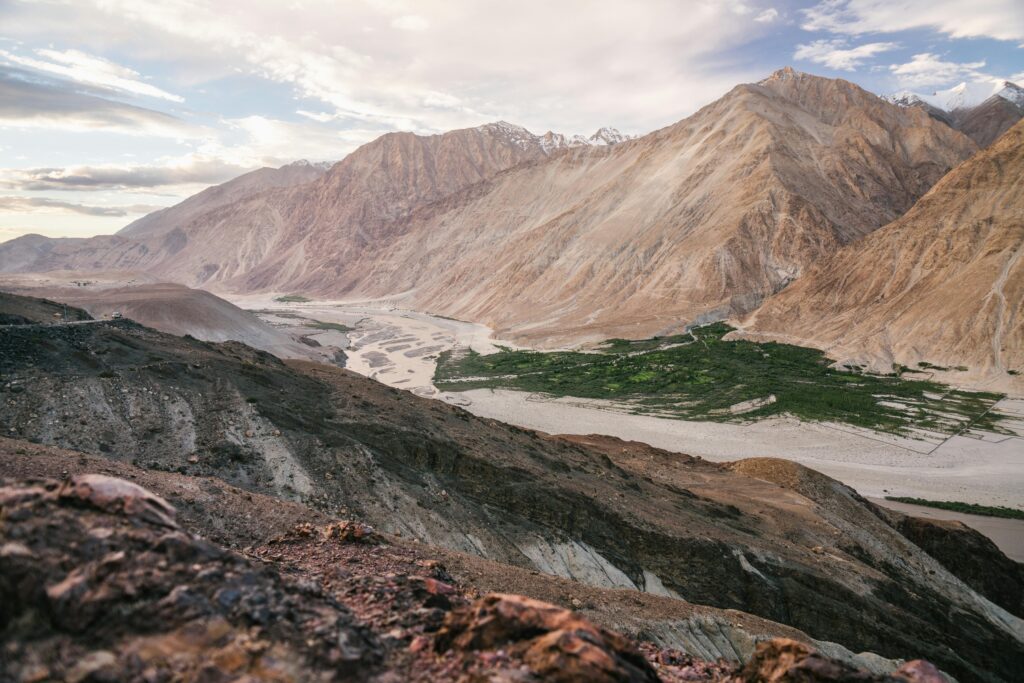
Exploring the Remote Beauty of the Nubra Valley: A First-Timer’s Guide
Nubra Valley Travel – a name that conjures images of stark beauty, windswept dunes, and ancient monasteries clinging to impossible slopes. It’s a place that has captivated travellers for decades, and deservedly so. Located in Ladakh, India’s “Little Tibet,” the Nubra Valley offers an experience unlike any other. This guide is designed specifically for first-time visitors from Western countries – US, UK, or Australia – who are dreaming of venturing into this high-altitude wonderland. Prepare to be amazed by dramatic landscapes, unique cultural encounters, and a sense of adventure you won’t find anywhere else. Let’s dive in!
Planning Your Nubra Valley Trip
Before you even start packing, let’s cover the practicalities. The Nubra Valley is part of the Union Territory of Ladakh, which means it has specific entry requirements. You *must* have an Inner Line Permit to visit, regardless of your nationality. These permits can be obtained through a local travel agent in Leh (the capital) or, increasingly, online via government-approved portals. Don’t even attempt to bypass this; you’ll face significant difficulties and potential legal issues.
Getting there is part of the adventure. The most common route involves flying into Leh’s Kushok Bakula Rimpochee Airport (IXH), followed by a acclimatization period – crucial for dealing with altitude sickness. Seriously, don’t skip this! Spend at least 2-3 days in Leh to adjust before tackling Nubra Valley. Consider hiring a local driver; it’s the most efficient and safest way to navigate the challenging roads. Shared taxis are available but less comfortable.
**Important Note:** Road conditions in Nubra Valley can be unpredictable, particularly during the monsoon season (July-August). Check current road closures before you travel – information is readily available from local authorities and tour operators.
Discovering Diskit Monastery and the Sand Dunes
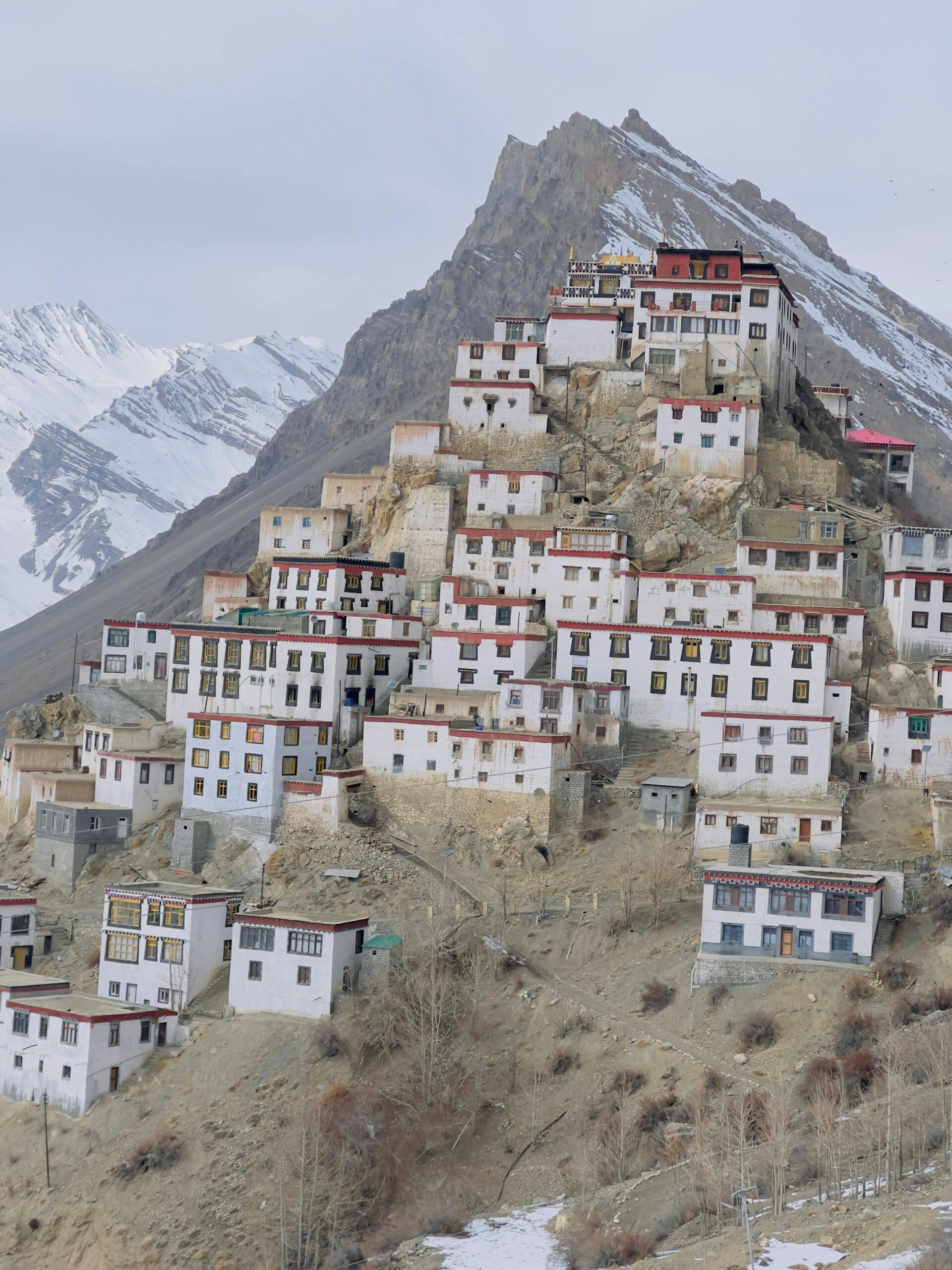
Diskit Monastery is arguably the most iconic landmark in Nubra Valley, and for good reason. Perched dramatically on a hilltop overlooking the Shyok River valley, it’s a sight that will take your breath away. The monastery itself is a fascinating blend of Tibetan Buddhist traditions, boasting intricate murals, ancient thangkas (religious paintings), and a surprisingly vibrant community of monks. You can spend hours exploring its various halls and learning about its history – dating back to the 15th century.
But Diskit isn’t just about the monastery. It’s also the gateway to the Hunder Sand Dunes, one of the most spectacular landscapes you’ll ever encounter. These towering dunes stretch as far as the eye can see, sculpted by the relentless winds into surreal shapes and patterns. The best time to visit is early morning or late afternoon when the light is soft and golden – perfect for photography.
Experiencing a Bactrian Camel Ride
No trip to Hunder Sand Dunes is complete without a Bactrian camel ride. These shaggy, two-humped camels are perfectly adapted to the harsh conditions of Nubra Valley, and riding one across the dunes is an unforgettable experience. It’s not just about transport; it’s a cultural immersion – you’ll be guided by local nomads who will share their knowledge of the land and its traditions. Book your ride in advance, particularly during peak season, to ensure availability. Remember to negotiate the price beforehand!
Exploring Panamik & The Hot Springs
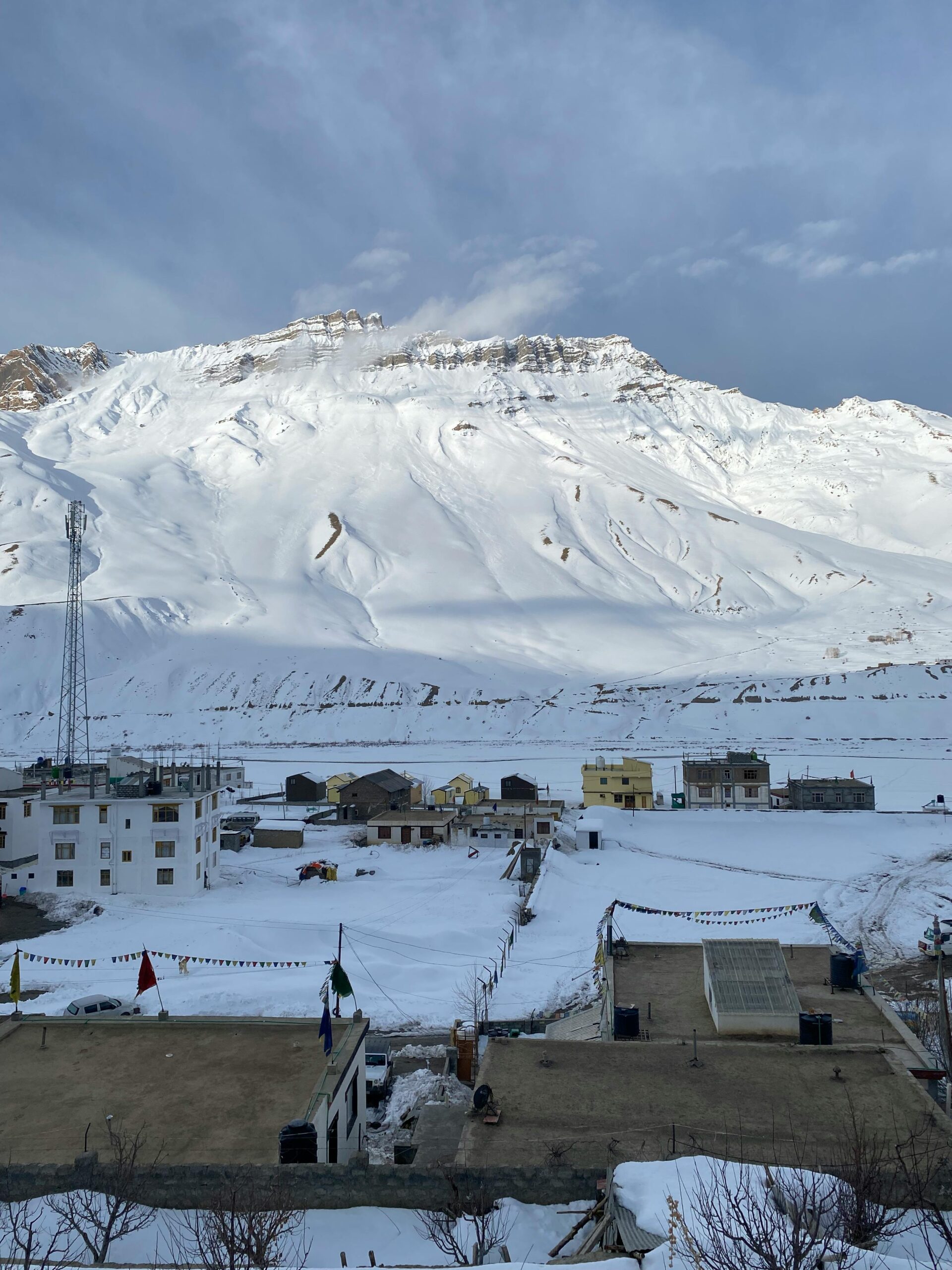
Moving further east from Diskit brings you to Panamik, a tiny village nestled at the very edge of Nubra Valley, bordering the Changthang plateau. This area is known for its unique geological features and, most famously, its hot springs – believed to have therapeutic properties. The springs are fed by geothermal activity deep beneath the earth’s surface, offering a welcome warmth on a chilly day.
The journey to Panamik is an adventure in itself, traversing some of the highest roads in India. Along the way, you’ll pass through stunning landscapes – barren mountains, turquoise lakes, and yak herders tending their flocks. The village itself offers a glimpse into traditional Ladakhi life, with mud-brick houses and a relaxed pace. Don’t miss the Likir Monastery, a short drive from Panamik, known for its incredible 12th-century Maitreya Buddha statue.
Practical Tips & Considerations
* **Altitude Sickness:** We cannot stress this enough! Acclimatization is key. Drink plenty of water, avoid strenuous activity initially, and consider taking altitude sickness medication (consult your doctor).
* **Clothing:** Pack layers – the temperature can fluctuate dramatically throughout the day. Warm jackets, hats, gloves, and scarves are essential, even in summer.
* **Sun Protection:** The sun is incredibly strong at high altitudes. Wear sunscreen, sunglasses, and a hat.
* **Cash:** ATMs are scarce in Nubra Valley. Bring enough cash to cover your expenses.
* **Respect Local Customs:** Ladakh is a deeply religious region. Dress modestly when visiting monasteries and be mindful of local traditions.
Food & Drink
Ladakhi cuisine is heavily influenced by Tibetan food – expect lots of momos (dumplings), thukpa (noodle soup), and butter tea. Restaurants in Diskit and Hunder cater to tourists, but exploring local eateries offers a more authentic experience.
Conclusion: Your Nubra Valley Adventure Awaits
Nubra Valley Travel is an investment – not just financially, but also emotionally. It’s a destination that will challenge you, inspire you, and leave you with memories that will last a lifetime. This remote corner of India offers a rare glimpse into a world where ancient traditions meet breathtaking landscapes. It’s a place for those seeking authentic adventure and genuine cultural encounters. Don’t just dream about it – start planning your trip today! Contact reputable tour operators specializing in Ladakh, research the Inner Line Permit process thoroughly, and prepare to be utterly captivated by the beauty of Nubra Valley.
**Ready to embark on the journey of a lifetime? Explore the incredible landscapes and rich culture of Nubra Valley. Start researching your trip now at [insert exploreindiaguides.com link here]!**
FAQ: Your Nubra Valley Questions Answered
* **Q: What is the best time of year to visit Nubra Valley?**
A: The shoulder seasons (May-June and September-October) offer pleasant weather, fewer crowds, and a good chance of clear skies. July and August are peak season but can be crowded and experience monsoon rains.
* **Q: How much does it cost to travel to Nubra Valley?**
A: Costs vary depending on your accommodation choices, transportation method (private driver vs. shared taxi), and activities. Budget around INR 15,000 – 30,000 per person for a 3-4 day trip, excluding flights.
* **Q: Can I hire a guide in Nubra Valley?**
A: Absolutely! Hiring a local guide is highly recommended, especially if you’re venturing beyond the main tourist areas. They can provide valuable insights into Ladakhi culture and help you navigate the region safely.
* **Q: Is it possible to camp in Nubra Valley?**
A: Yes, camping is permitted with prior arrangements made through a reputable tour operator or local guide. Be aware of weather conditions and obtain necessary permits.
* **Q: What vaccinations should I get before traveling to Ladakh?**
A: Consult your doctor for recommended vaccinations. Typhoid, Hepatitis A, and Tetanus are commonly advised for travelers to India.