One Month India Backpacking: The Ultimate North & Northeast Route
Ready for an unforgettable adventure? This guide unveils the best one month india backpacking experience, specifically designed for first-time backpackers from the US, UK, or Australia. Forget cookie-cutter itineraries – we’re diving deep into India’s vibrant culture, stunning landscapes, and delicious food. You’ll learn how to navigate this incredible country with confidence, embrace the chaos, and create memories that will last a lifetime. This isn’t just about ticking off landmarks; it’s about truly immersing yourself in the soul of India. We’ll cover everything from budget travel tips to essential cultural considerations, ensuring you have all the information you need to plan your dream trip.
Introduction
India is a sensory explosion – a land of ancient traditions, bustling cities, and breathtaking natural beauty. One month india backpacking allows you to scratch beneath the surface and experience this complexity firsthand. This itinerary focuses on two vastly different regions: the majestic North with its historical cities and the rugged Northeast, offering unparalleled adventure and untouched landscapes. We’ll provide a realistic roadmap for your 30-day journey, blending iconic sights with off-the-beaten-path experiences. This guide is built around maximizing your time and budget, ensuring you get the most out of every moment. It’s about embracing the unknown and discovering India’s magic – it’s a truly transformative experience.
When to Go
Timing is everything when travelling in India! The best time for one month india backpacking is generally during the shoulder seasons – October to November or February to March. The monsoon season (June-September) brings heavy rainfall, making travel difficult and many roads impassable. December can be cold, particularly in the Himalayas, but offers clear skies and festive atmosphere. April-May is peak tourist season with hot weather – ideal for those who love heat! Consider your priorities – trekking in Ladakh requires dry conditions; temple visits are comfortable throughout the year.
Weather Considerations
- October-November: Pleasant temperatures, lower rainfall
- February-March: Clear skies, moderate temperatures
- April-May: Hot and dry – best for Rajasthan
- June-September: Monsoon season – avoid unless you enjoy rain
The North India Adventure
The northern part of India is a treasure trove of history, culture, and architectural wonders. This section forms the backbone of your India travel itinerary, offering iconic experiences and opportunities to delve into the region’s rich heritage. We’ll start with Delhi, exploring its bustling markets and ancient monuments before heading towards Agra and Rajasthan.
Planning Your North India Trip
- Secure Visas: Ensure you have all necessary travel documents well in advance.
- Book Initial Accommodation: Reserve your first few nights’ lodging to ease into the journey.
- Purchase a Local SIM Card: Stay connected and navigate easily.

Delhi and Agra
Your adventure begins in Delhi, a sprawling metropolis where ancient history collides with modern life. Spend 3-4 days exploring Old Delhi’s chaotic markets (Chandni Chowk), visiting Humayun’s Tomb and Qutub Minar – UNESCO World Heritage sites. Then, travel to Agra, home of the magnificent Taj Mahal. Witnessing this architectural marvel at sunrise is an experience you won’t forget.
- Delhi: Explore Old Delhi Markets, visit Jama Masjid, explore India Gate
- Agra: Taj Mahal (book tickets online in advance!), Agra Fort, Itmad-ud-Daulah’s Tomb
Pushkar and Jaipur
Next, journey to Pushkar, a holy town known for its sacred lake and vibrant camel market. Then it’s on to Jaipur – the ‘Pink City’ – a majestic capital with stunning forts, palaces, and colourful bazaars. This section of your backpacking routes India will immerse you in Rajasthan’s royal heritage.
- Pushkar: Holy Lake (Panch Pokhari), Brahma Temple, Camel Market
- Jaipur: Amber Fort, Hawa Mahal (Palace of Winds), City Palace, Jantar Mantar
Ladakh – The High Altitude Adventure
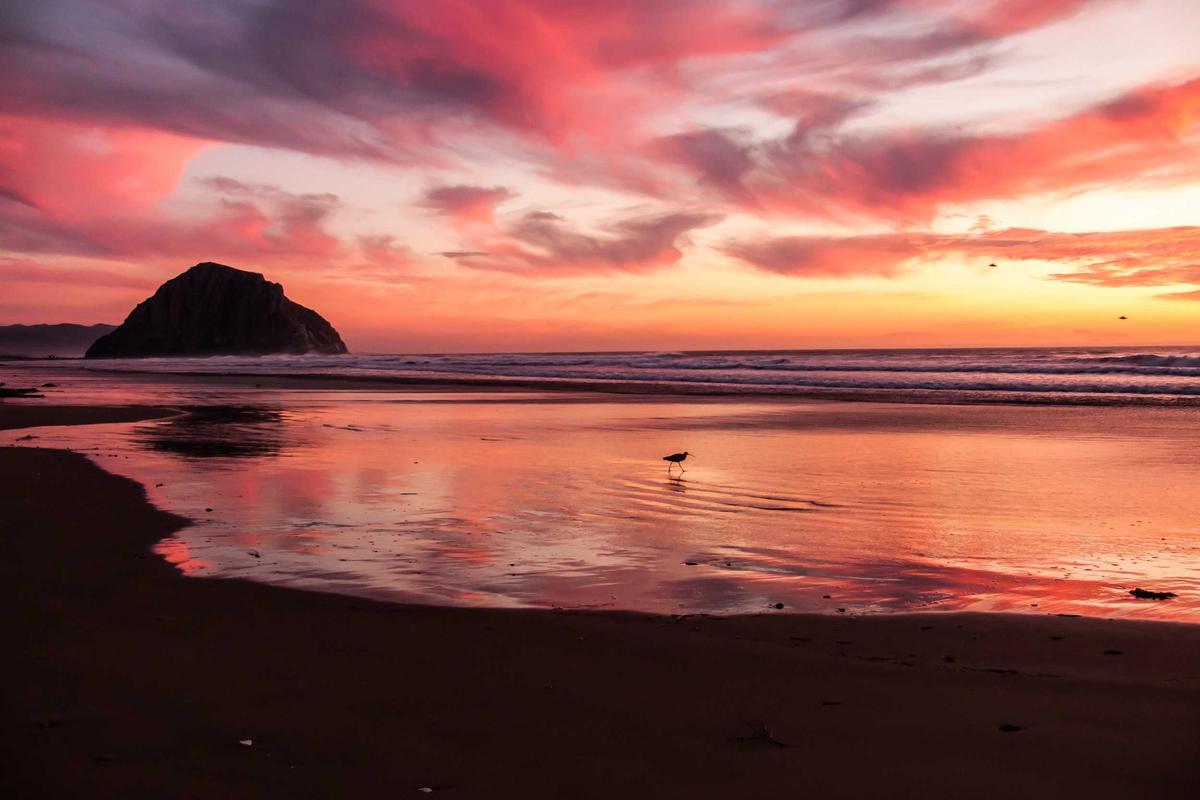
Prepare for a dramatic shift in scenery as you head into Ladakh, the ‘Land of High Passes’. This region offers unparalleled trekking opportunities, stunning mountain landscapes, and unique Buddhist culture. One month india backpacking wouldn’t be complete without an adventure here! This section will require some acclimatization to the altitude.
Ladakh Travel Essentials
- Acclimatize: Spend a few days in Leh to adjust to the altitude
- Permits: Obtain necessary permits for trekking and visiting restricted areas
Northeast India Exploration
Finally, venture into Northeast India – a region largely untouched by mass tourism. This area offers incredible diversity, from tribal cultures and lush green hills to stunning waterfalls and monasteries. Consider exploring Arunachal Pradesh or Sikkim for an authentic Indian experience. This is the perfect way to conclude your Northeast India adventure.
Practical Information
Planning a trip like this requires careful consideration. Let’s cover some key details for your India travel planning.
- Best Time to Visit: October-March (for most of the itinerary)
- Getting There: International flights to Delhi or Kolkata; domestic flights within India are plentiful and affordable.
- Getting Around: Trains, buses, taxis, auto-rickshaws – a mix is essential! Consider renting a scooter in Rajasthan.
- Accommodation: Budget – Hostels & Guesthouses (₹300-₹800/night) | Mid-Range – Boutique Hotels & Comfortable Inns (₹1500-₹4000/night) | Luxury – Five-Star Hotels & Resorts (₹8000+ / night)
- Average Costs: ₹3,000 – ₹6,000 per day (depending on your travel style). Plan your India trip with confidence and a realistic budget!
FAQ
How much does one month india backpacking cost?
Budget: $1500 – $2500 (USD), Mid-Range: $3000 – $5000 (USD), Luxury: $6000+ (USD). This depends heavily on your accommodation choices, activities, and eating habits. Remember to factor in visa costs and internal flights.
What vaccinations do I need for India?
Consult your doctor about recommended vaccinations – Hepatitis A & B, Typhoid, Tetanus-Diphtheria, Rabies are common recommendations. Yellow fever vaccination might be required depending on your origin country.
Is it safe to travel alone in India as a female backpacker?
India is generally safe for solo female travelers, but it’s crucial to exercise caution and awareness. Be mindful of your surroundings, avoid walking alone at night, and dress modestly. Trust your instincts – if something feels wrong, remove yourself from the situation.
What is the best way to get around in India?
A combination of trains, buses, auto-rickshaws, and taxis will be necessary. Trains are a great option for longer distances; auto-rickshaws are perfect for short journeys within cities.
Conclusion
So there you have it – your blueprint for an epic one month india backpacking adventure! India is a country that demands to be experienced, not just seen. Embrace the chaos, open yourself up to new cultures, and prepare to be amazed. We’ve provided you with a solid itinerary, crucial practical information, and tips for navigating this incredible destination. Don’t just dream about it – start planning your journey today! Ready to turn this vision into reality? India trip itineraries await!