Ranthambore Safari Guide: Your Ultimate Tiger Hunt Planning Checklist
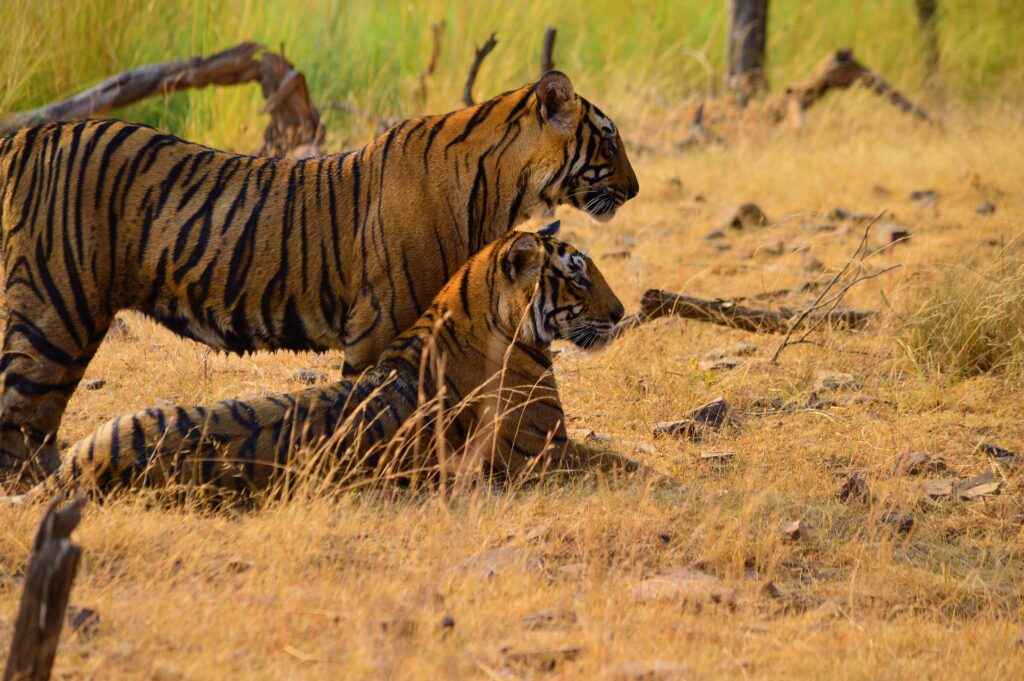
Dreaming of witnessing the majestic Bengal tiger in its natural habitat? A ranthambore safari guide is your key to unlocking one of the world’s most incredible wildlife experiences. This comprehensive guide will take you through every step, from initial planning and booking to maximizing your chances of seeing these magnificent creatures. We’ll cover everything you need to know, ensuring your first trip to India – specifically a thrilling tiger spotting india adventure – is unforgettable. You’ll learn how to prepare for the unique challenges and rewards of exploring this incredible national park.
Introduction
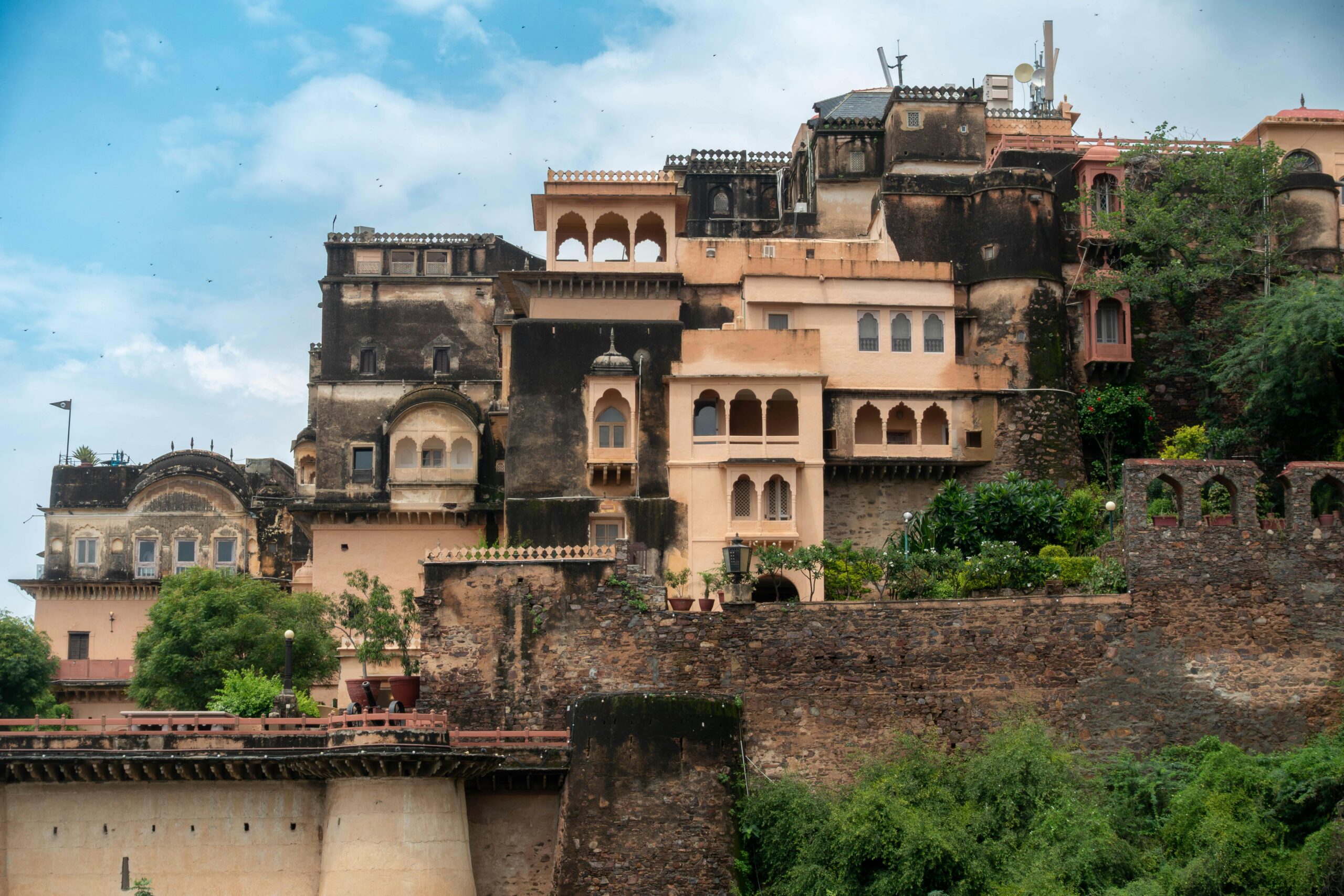
Ranthambore National Park, located in Rajasthan, India, is renowned as one of the best places in the world to spot tigers. Established in 1936, it’s a UNESCO World Heritage site boasting a stunning landscape of ancient forts, rugged hills, and diverse wildlife. This isn’t just about ticking off a bucket list item; it’s about immersing yourself in an authentic Indian jungle safari experience. A well-planned India trip itineraries often includes Ranthambore, recognizing its unparalleled appeal. This guide is specifically designed for first-time Western travellers – US, UK, or Australian – aiming to delve into the heart of Indian wildlife tourism india and witness a true conservation success story.
When to Go – The Best Time for Ranthambore Safari
Timing is absolutely crucial when planning your ranthambore safari guide experience. The best time to visit Ranthambore National Park for tiger sightings is generally during the winter months (October to April). During this period, temperatures are cooler and drier, offering ideal conditions for both wildlife viewing and comfortable safaris. The vegetation is also at its most sparse, making it easier to spot tigers resting in the open. November to February offers the coolest temperatures but also the highest demand – booking well in advance is essential! The monsoon season (June to September) sees increased rainfall which can affect access to certain areas of the park and reduce visibility. Consider travelling during the shoulder seasons (March/April or October/November) for a balance between good weather and fewer crowds.
Peak Season Considerations
- October – February: Highest chance of tiger sightings, but also most crowded & expensive
- March – April: Pleasant temperatures, still good chances of spotting tigers
- May – September: Monsoon season – reduced safari opportunities due to rain and river crossings.
Planning Your Ranthambore Safari: Bookings & Permits
Securing your spot on a ranthambore tiger reserve bookings is the first step. You can’t simply turn up; permits are strictly controlled to minimize disturbance to the wildlife and manage visitor numbers. All safari bookings must be made through the official Rajasthan Forest Department website or via authorized tour operators. The demand for permits is incredibly high, particularly during peak season (November – February), so book as far in advance as possible – we’re talking 6-12 months ahead! The Ranthambore Tiger Reserve operates on a quota system, allocating slots to different categories of visitors: domestic tourists, foreign tourists, and photographers. Photography permits are often an additional cost and require justification for your photographic needs.
- Book Permits Online: Visit the official Rajasthan Forest Department website (search “Ranthambore Tiger Reserve Permits”).
- Choose Your Safari Type: Morning or Afternoon safaris are available. Morning safaris are generally considered better for tiger sightings due to cooler temperatures and higher activity levels.
- Select Your Zone: Ranthambore is divided into different zones (Zones 1-10). Each zone has a unique landscape and wildlife population; some zones have historically been more successful for tiger sightings than others. Research the zones beforehand – Zone 3 & 5 are frequently recommended.
- Book with an Operator: Consider booking with a reputable tour operator to handle all logistics, including permits and transportation (recommended). India trip itineraries often incorporate Ranthambore safaris.
Getting There and Around – Logistics of a Tiger Hunt
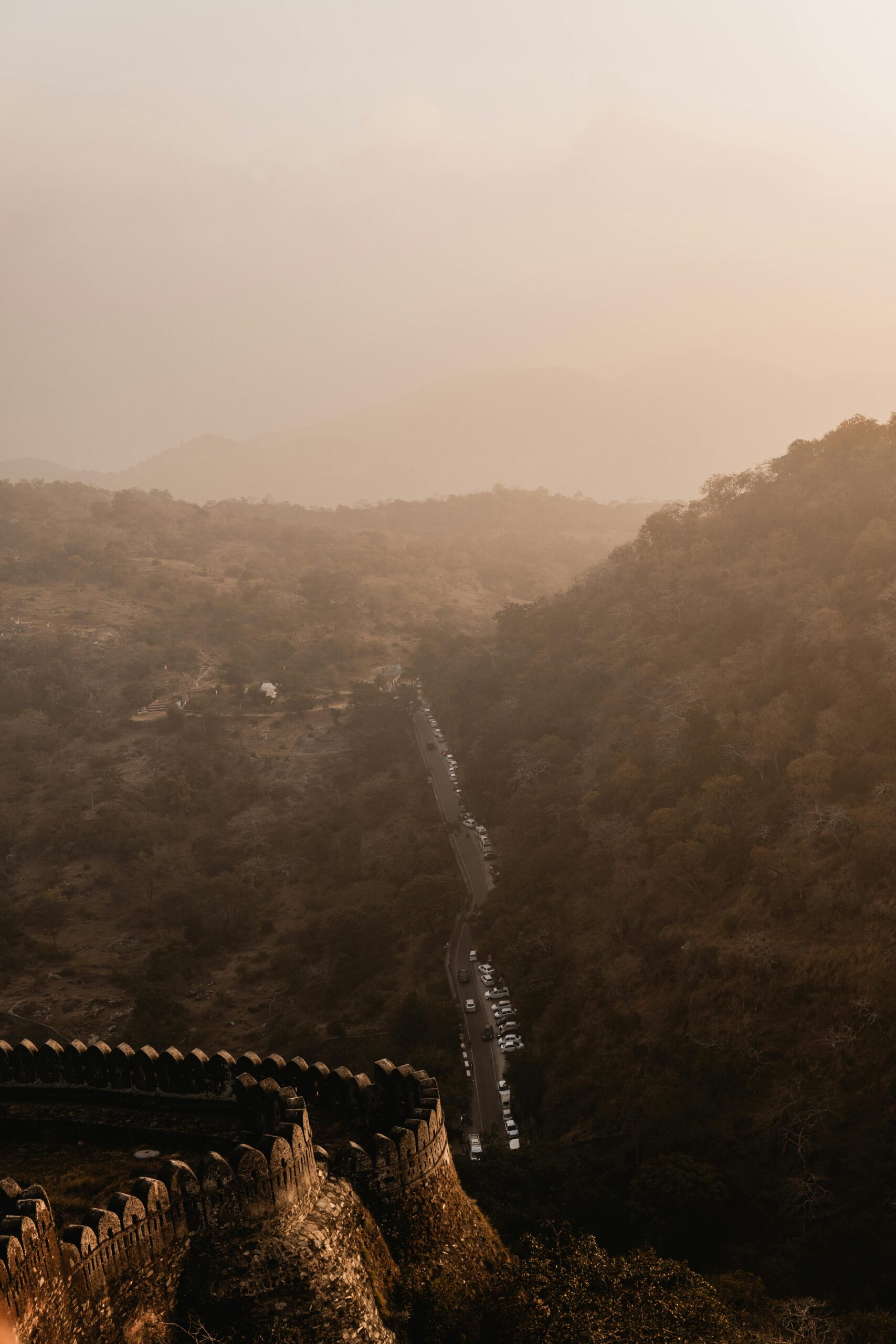
Reaching Ranthambore National Park involves a journey that’s part of the adventure. The nearest major airport is Jaipur International Airport (JAI), approximately 200km away. From Jaipur, you can hire a private car or take a pre-booked taxi or bus to Sawai Madhopur, the town closest to Ranthambore. Alternatively, you could fly into Udaipur and travel overland – this adds considerable time but offers fantastic scenery. Once in Sawai Madhopur, your safari will begin. Safari vehicles are typically jeeps, equipped with binoculars and often offering refreshments. Local transportation within the park is managed by the Forest Department.
- From Jaipur: Taxi (approx. 3-4 hours) or private car hire (recommended).
- By Train: Sawai Madhopur Railway Station is the closest station, with regular trains from major Indian cities.
- Within the Park: Safari jeeps only – no personal vehicles are permitted.
Understanding the Safari Experience – What to Expect
A tiger safari isn’t a leisurely picnic; it requires patience and an understanding of wildlife viewing etiquette. Safaris typically last 3-4 hours, including travel time between different areas of the park. The guides are highly experienced and knowledgeable about the local flora and fauna. They will often share fascinating insights into the animals’ behaviour and habitat. Tiger sightings are never guaranteed – it’s a matter of luck and skill. Be prepared for long periods of waiting in silence, observing the landscape, and scanning for movement. Respectful behavior is paramount: keep noise to a minimum, follow your guide’s instructions, and do not attempt to approach or feed any animals.
Wildlife Photography Ranthambore: Capturing the Perfect Shot
Wildlife photography ranthambore can be incredibly rewarding, but it demands preparation. Bring a good quality DSLR camera with a long telephoto lens (at least 300mm is recommended). A sturdy tripod is essential for sharp images, especially in low-light conditions. Consider bringing extra batteries and memory cards. Be aware of the rules regarding flash photography – it’s generally discouraged as it can disturb the animals. Learn about animal behaviour beforehand to anticipate their movements. Patience is key! Many photographers spend hours waiting for that perfect shot.
Ranganui National Park Safari – A Complementary Experience
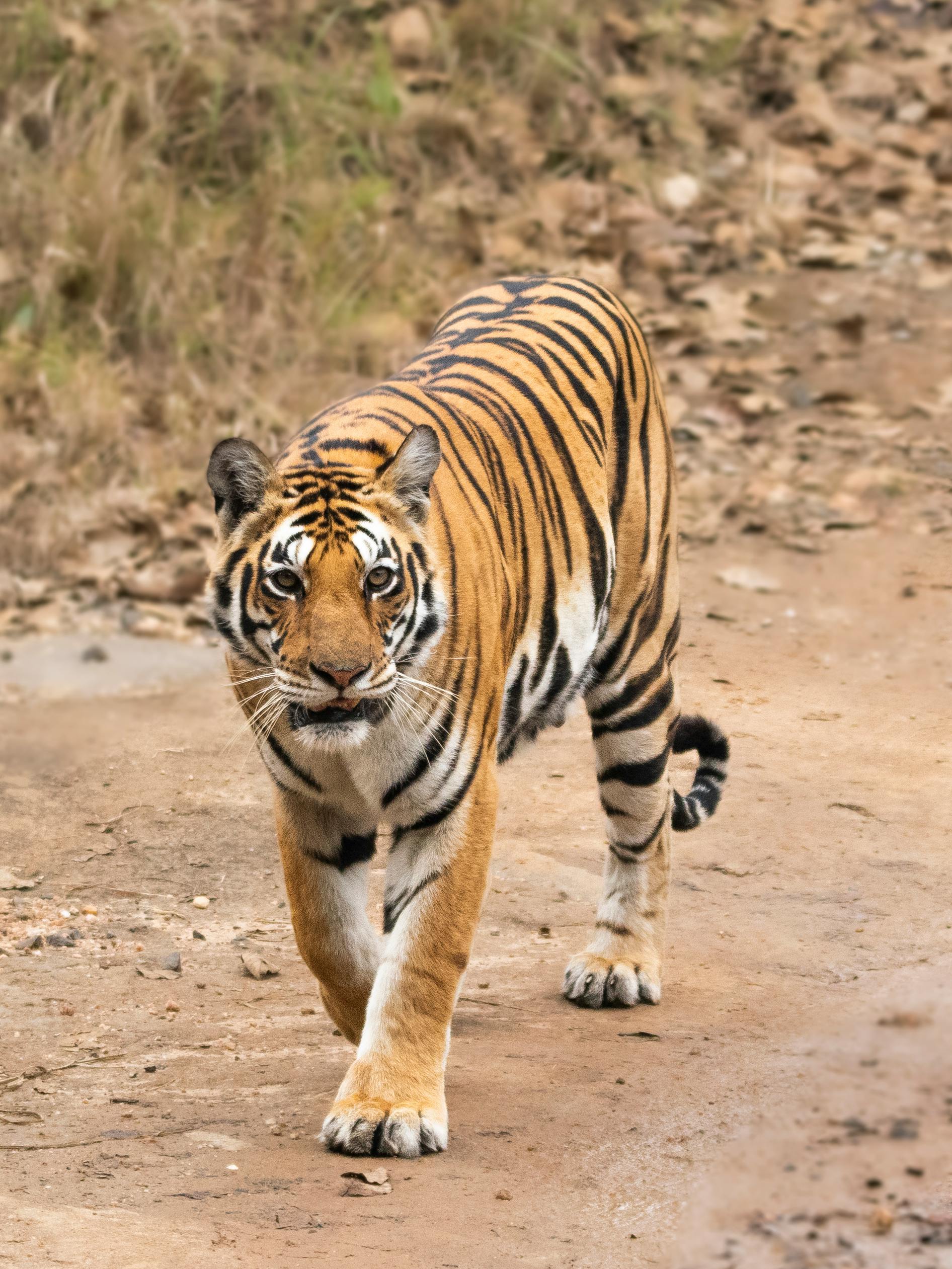
While Ranthambore is famous for tigers, a visit to Ranganui National Park (around 150km away) offers a fascinating alternative and complements your India trip itineraries. Located in Madhya Pradesh, Ranganui is known for its incredible birdlife – over 400 species can be found here, including the rare marbled forest duck. The park also boasts a beautiful lake and diverse wildlife, offering a different perspective on Indian wildlife tourism india.
Practical Information
Practical Information
- Best Time to Visit: October – April (Winter Months)
- Getting There: Jaipur Airport (JAI) or Udaipur Airport (UDR), followed by a taxi/private car. Sawai Madhopur Railway Station is the closest station.
- Getting Around: Safari jeeps only within the park. Private taxis and buses are available from Sawai Madhopur.
- Where to Stay: Budget – Hotel Rajat (approx. $30-50/night); Mid-Range – Tiger Den Resort (approx. $100-200/night); Luxury – Ranthambore Forest Lodge (approx. $400+/night)
- Average Costs: Permits ($30-$60 per person per day), Safari Cost ($80-$150 per person per safari), Accommodation ($30 – $400+ per night depending on your choice). Total trip cost (excluding flights): approx. $800 – $2500 per person, depending on duration and accommodation choices.
FAQ
How much does a ranthambore safari cost?
The cost of a ranthambore safari guide experience varies greatly depending on the number of days you plan to spend, the type of safari (morning or afternoon), and whether you choose to book with a tour operator. Expect to pay anywhere from $80 – $150 per person per safari day.
What is the best time of year to spot tigers?
The winter months (October – February) offer the highest chance of seeing tigers due to cooler temperatures and drier conditions, but also the greatest demand.
How many tiger sightings do I have a realistic chance of?
There are no guarantees in wildlife spotting! However, with a skilled guide and a bit of luck, you can expect a 60-80% chance of seeing tigers during your safari.
Is it possible to take photographs inside the jeep?
Photography is generally allowed, but flash photography is discouraged as it can disturb the animals. Your guide will advise you on best practices.
How do I book a ranthambore safari permit?
You must apply for permits online through the Rajasthan Forest Department website. Booking well in advance (6-12 months) is highly recommended, especially during peak season.
Conclusion
A ranthambore safari guide offers an unparalleled adventure into the heart of India’s wildlife. Planning your trip carefully, securing permits well in advance, and embracing the patience required for wildlife viewing will maximize your chances of witnessing these magnificent creatures. Remember that a trip to Ranthambore is more than just ticking off a box – it’s about connecting with nature, experiencing Indian culture, and creating memories that will last a lifetime. Ready to embark on this incredible journey? India trip itineraries are waiting!