Exploring the Untamed Beauty of Odisha’s Similipal National Park: A First-Timer’s Guide to Tigers, Diverse Wildlife and Monsoon Forests – Discovering India’s Hidden Heart
Odisha, often overlooked by Western travellers in favour of Rajasthan or Kerala, holds a secret – Similipal National Park. This vast expanse of monsoon forest is one of India’s least explored wildlife reserves, offering an authentic and intensely rewarding experience for those seeking raw beauty and incredible biodiversity. If you’re looking for a truly immersive encounter with nature and a chance to spot tigers in a relatively undisturbed environment, then Similipal National Park should be at the very top of your list. This guide will equip you with everything you need to plan your first trip – from logistics to wildlife expectations.
Planning Your Trip: Getting There & When to Go
Getting to Similipal isn’t a straightforward process, which adds to its charm and keeps the crowds at bay. The most common route is via Bhubaneswar (BBI), India’s ‘Olive City’. From Bhubaneswar, you’ll need to take a pre-booked jeep or bus to Baripada, the nearest town to the park entrance. The journey itself can take 6-8 hours, offering glimpses into rural Odisha life – colourful villages and sprawling landscapes. Consider hiring a driver for this leg; it’s significantly more comfortable and allows you to stop at interesting places along the way.
The best time to visit is during the post-monsoon months of October to December. The rains have subsided, the vegetation is lush and green (thanks to the intense monsoon), and animal sightings are often higher as animals emerge from their winter dens. January onwards can be pleasant but beware – this is also peak tourist season, leading to increased crowds, particularly around the weekends. Avoid visiting during the full moon festivals (Saras Puja) held within the park; these disrupt wildlife behaviour significantly.
Understanding Similipal’s Unique Ecosystem
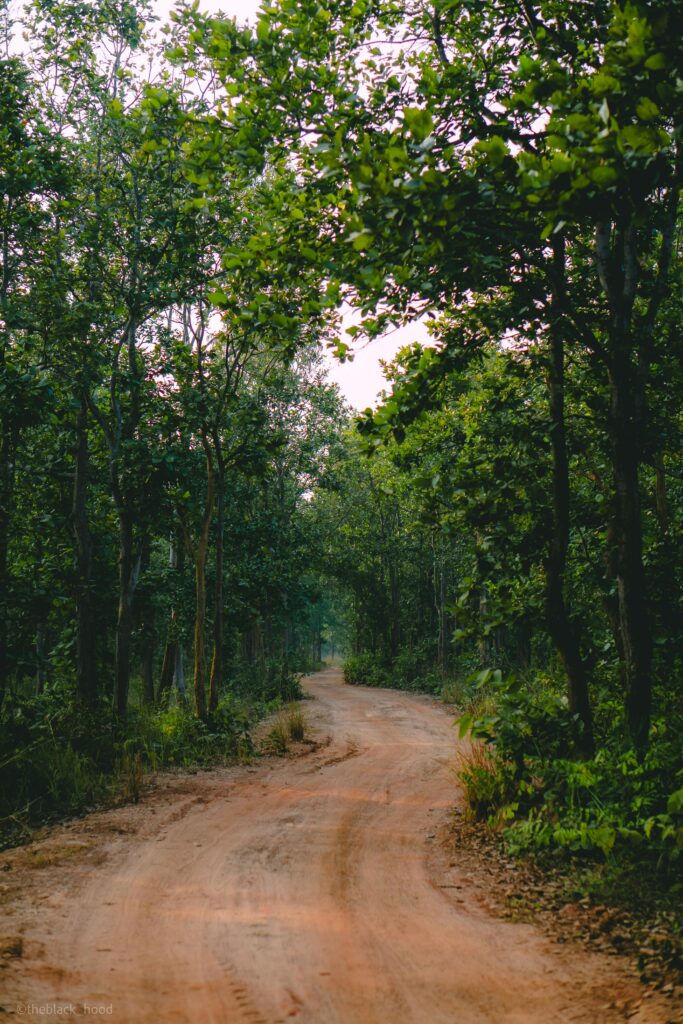
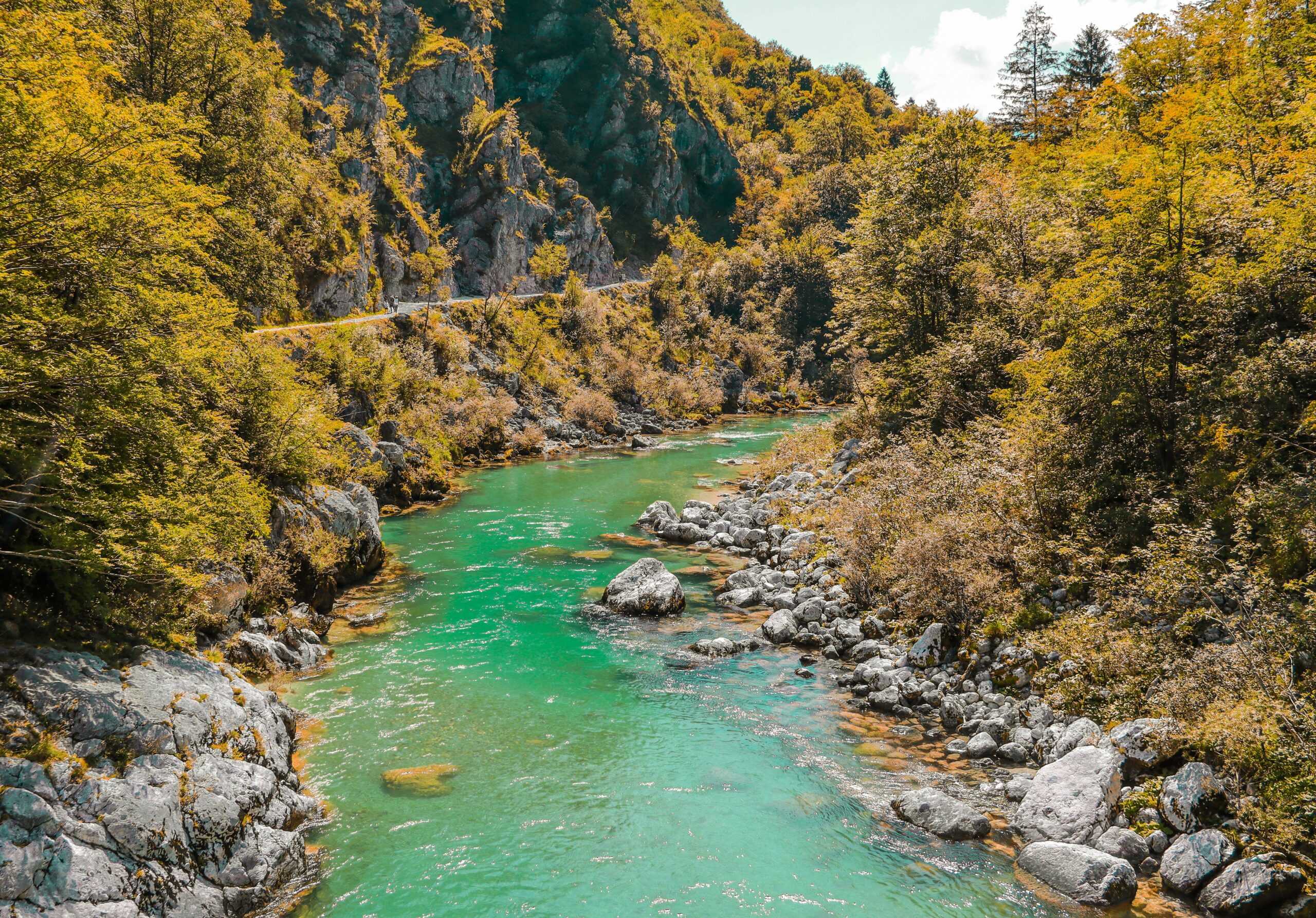
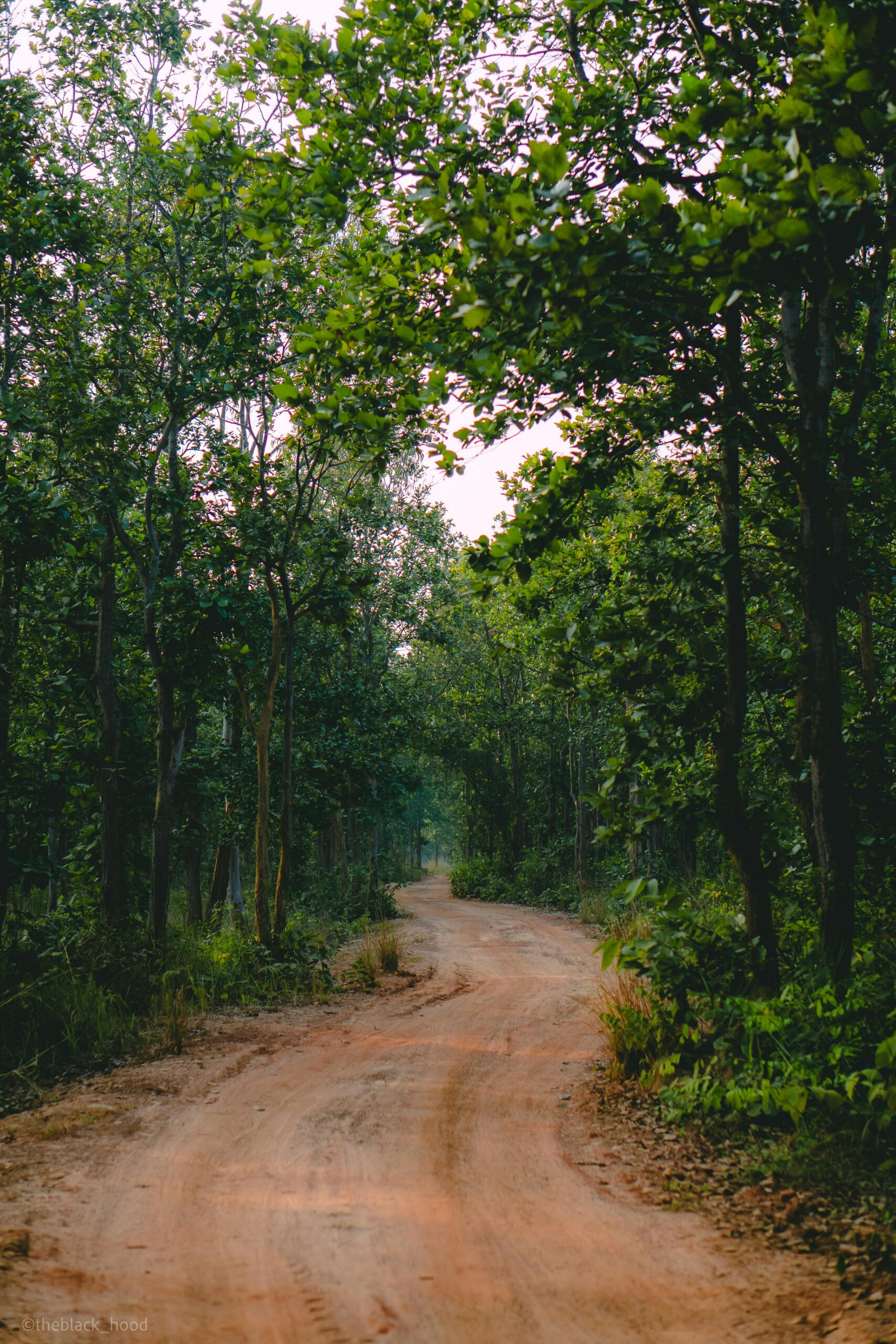
Similipal National Park isn’t your typical national park. It’s dominated by a dense, evergreen monsoon forest – incredibly biodiverse and almost overwhelmingly green. The area is crisscrossed by rivers and streams, creating a complex network of waterways that are crucial to the ecosystem’s health. The ‘Jhor’ areas, deep, dark ravines within the forest, hold particular significance as they provide refuge for many species and contribute significantly to the park’s unique character.
The park is divided into three main zones: the North Zone (primarily focused on tiger sightings), the South Zone (known for its diverse birdlife) and the East Zone (a quieter area with good chances of spotting gaurs – Indian bison). Each zone requires a separate entry permit, which you can arrange through the forest department in Baripada.
Wildlife Encounters: Tigers, Birds & More
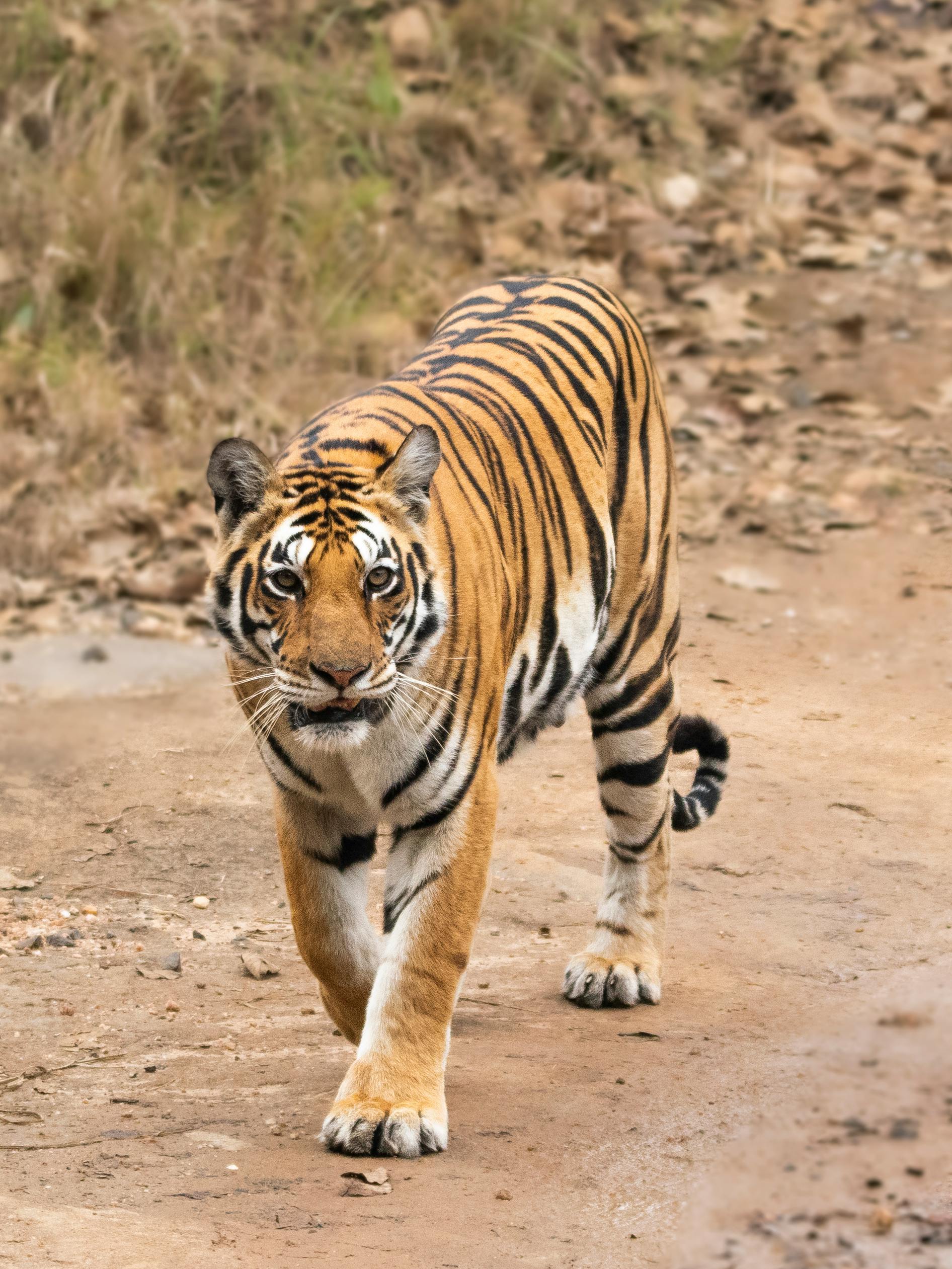
Let’s be honest, a tiger safari in Similipal National Park is a major draw for many visitors. While sightings are not guaranteed (it’s a wild place!), the park is home to a resident population of Bengal tigers, along with leopards, sloth bears, dhole (wild dogs), and sambar deer. The forest also boasts an incredible array of birdlife – over 600 species reside here, making it a paradise for birdwatchers. Keep your eyes peeled for the Malabar Grey Hornbill, a truly spectacular sight!
Beyond the ‘big cats’, you’ll encounter a fascinating tapestry of smaller creatures: monkeys (Indian langur and bonnet macaque), reptiles (including monitor lizards and snakes – always maintain a safe distance!), and an astonishing variety of insects. Remember that wildlife viewing here is about patience and observation; don’t expect photographic opportunities around every corner. Your guide will be your best asset in locating animals, utilising their knowledge of animal behaviour and tracking skills.
Accommodation & Logistics: Staying Within the Park
Accommodation options inside the park are extremely limited – primarily consisting of basic forest rest houses. Booking these requires advance application and approval from the Forest Department (usually several months in advance). These rest houses offer comfortable but rustic accommodation, often with attached bathrooms. Outside the park, Baripada offers a range of hotels and guesthouses to suit all budgets. Consider staying in eco-lodges on the outskirts for a more sustainable experience.
Food is also limited within the park; you’ll need to bring your own supplies or rely on the occasional meal served at the rest houses (availability varies).
Essential Tips for Your Similipal Adventure
* **Hire an Experienced Guide:** Absolutely crucial. A good guide will significantly increase your chances of spotting wildlife and navigating the challenging terrain.
* **Pack Appropriately:** Sturdy hiking boots, lightweight clothing (long sleeves and trousers are recommended to protect against insects), a waterproof jacket, insect repellent, sunscreen, a hat, and a headlamp are essential.
* **Respect Wildlife:** Maintain a safe distance from animals – never attempt to feed or approach them. Follow your guide’s instructions at all times.
* **Be Prepared for Rough Terrain:** The park is rugged and uneven; be prepared for walking on trails and potentially crossing streams.
* **Carry Cash:** ATMs are not available within the park.
Sample 7-Day Similipal National Park Itinerary (Tiger Focus)
* **Day 1:** Arrive in Bhubaneswar, transfer to Baripada. Obtain permits and acclimatize.
* **Days 2-4:** North Zone Tiger Safari – Full days of jeep safaris with a focus on tiger tracking.
* **Day 5:** South Zone Birdwatching – Explore the diverse birdlife along the riverbanks.
* **Day 6:** Rest & Relaxation / Optional Jungle Trek (with guide)
* **Day 7:** Depart from Baripada.
This is just a suggestion; your itinerary can be tailored to your interests and preferences.
Beyond the Safari: Exploring the Surrounding Region
While Similipal National Park is undoubtedly the main attraction, consider extending your trip to explore other parts of Odisha. The nearby town of Kharagpur offers a glimpse into rural life, while the historic city of Cuttack boasts impressive temples and colonial architecture.
Conclusion – Your Journey Starts Now
Similipal National Park isn’t for travellers seeking manicured landscapes or guaranteed wildlife encounters. It’s a destination for those who crave adventure, appreciate raw natural beauty, and want to experience India in its most authentic form. This is a place where you can truly disconnect from the world and reconnect with nature. Planning your trip requires some effort, but the rewards – incredible wildlife sightings, breathtaking scenery, and a profound sense of connection with the wild – are well worth it. Don’t just read about this hidden gem; go and discover it for yourself! Start planning your Similipal National Park adventure today – you won’t regret it.
Frequently Asked Questions (FAQs)
Q: Is it possible to see tigers in Similipal?
A: While there are no guarantees, the park has a resident tiger population, and sightings do occur. The North Zone is particularly known for its tiger tracking opportunities.
Q: What vaccinations do I need for Odisha?
A: Consult your doctor about recommended vaccinations – typically include Typhoid, Hepatitis A & B, and Tetanus-Diphtheria. Malaria prophylaxis is also advisable, especially during the rainy season.
Q: How much does a tiger safari cost in Similipal?
A: The cost of a jeep safari varies depending on the zone and duration, but typically ranges from INR 2,500 – 4,000 per day. Remember to factor in permit fees.
Q: What should I pack for a monsoon trip?
A: Pack waterproof clothing (jacket, trousers), sturdy hiking boots, insect repellent, sunscreen, a hat, and quick-drying clothes. A headlamp is also essential for navigating the forest trails.
Q: Are there any restrictions on photography in Similipal?
A: Flash photography is strictly prohibited to avoid disturbing wildlife. Use your camera’s natural light settings and respect the animals’ space.