Exploring the Remote Beauty of Odisha’s Koraput: A First-Timer’s Guide
Planning a trip to India and craving something truly off the beaten path? Forget Goa’s beaches and Rajasthan’s palaces – you need to experience Koraput Odisha Travel. This region, nestled in eastern India, is a land of dramatic landscapes, ancient tribal cultures, and untouched waterfalls. It’s raw, authentic, and offers a glimpse into a side of India that few tourists ever see. If you’re looking for adventure, cultural immersion, and breathtaking scenery, then read on – this guide will help you plan your unforgettable journey.
Why Koraput?
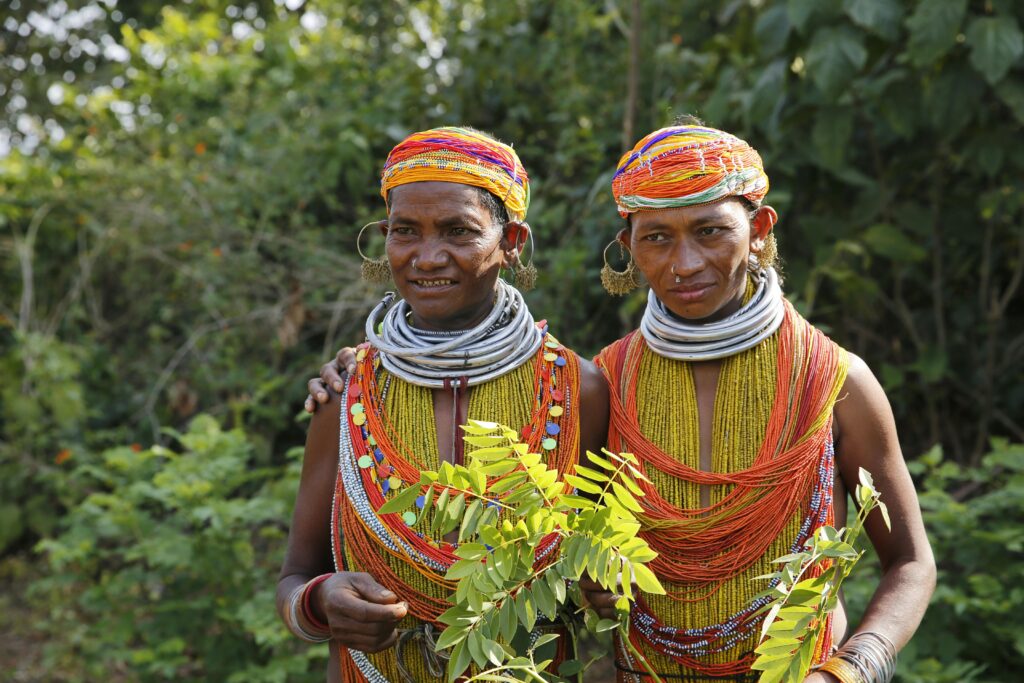
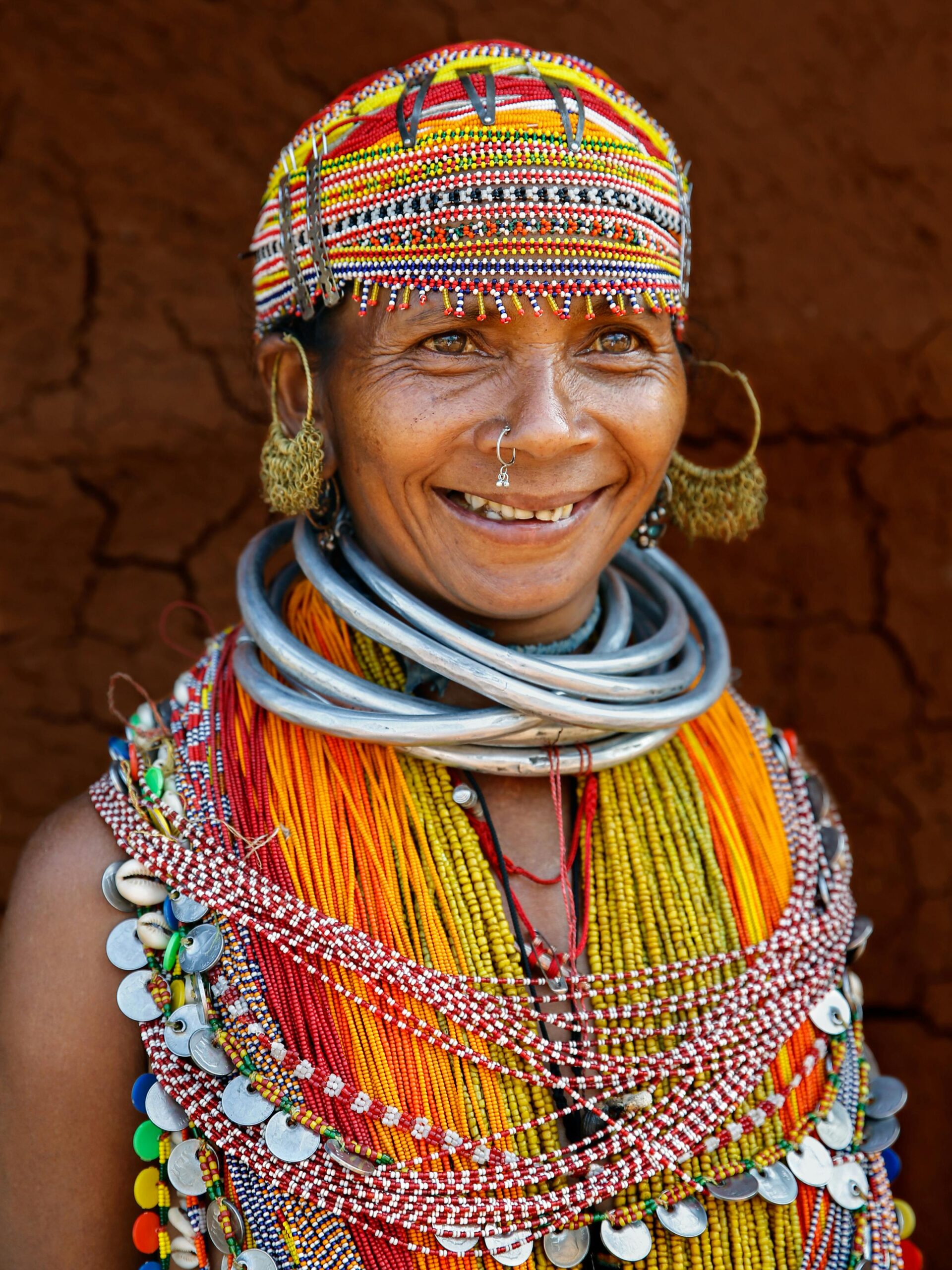
Koraput is unlike anywhere else in Odisha. It’s a region dominated by rolling hills, dense forests, and a fascinating mosaic of tribal communities – the Pottalkara, Bonda, Juang, and Kondh tribes, among others. These groups maintain their unique traditions, languages, and ways of life, offering a truly immersive cultural experience. The area is incredibly biodiverse, boasting waterfalls you won’t find on any standard tourist trail, challenging hiking trails, and opportunities to connect with nature in its purest form. It’s not about luxury resorts; it’s about genuine connection and exploration.
Discovering the Tribal Villages of Koraput
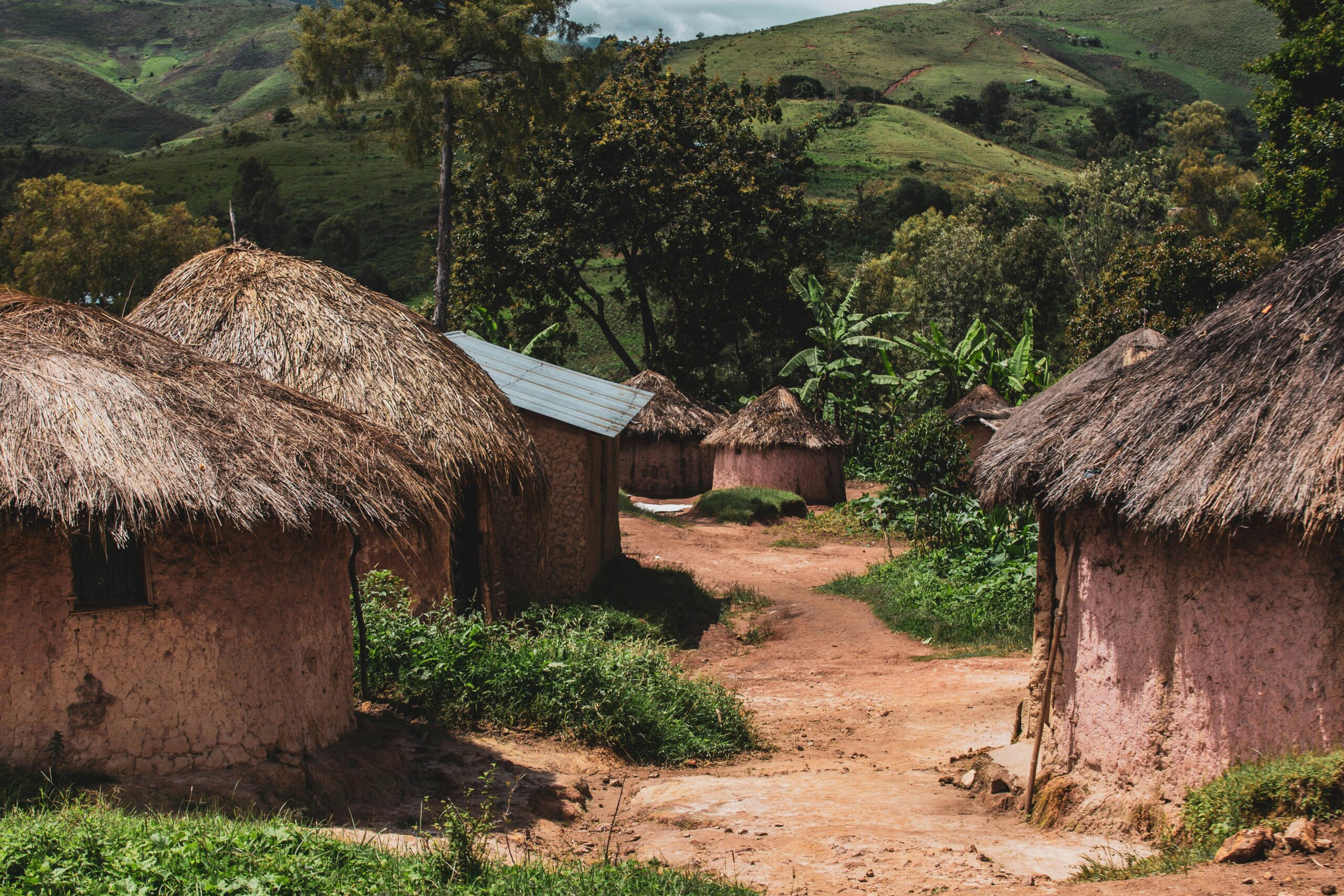
A huge part of the appeal of Koraput Odisha Travel lies in visiting the tribal villages. These aren’t staged tourist experiences; you’re entering into communities that have largely remained isolated from mainstream Indian society. Respect is paramount – dress modestly (covering shoulders and knees is essential), be mindful of your interactions, and always seek guidance from local guides or community leaders.
Bonda Village: A Journey to the Edge
Visiting a Bonda village is perhaps the most impactful experience you’ll have. The Bondas are known for their fierce independence, distinctive body art (a ritualistic tattooing), and traditional lifestyles. It’s a challenging visit – infrastructure is basic, and the culture is starkly different from what you might be used to. You’ll likely be offered food (often rice and lentils) and may witness traditional ceremonies. Be prepared for a genuinely humbling experience and understand that you are a guest in their world.
Juang Village – Traditional Weaving
The Juang tribe is renowned for its intricate weaving, producing vibrant textiles using natural dyes. Visiting a Juang village offers the chance to witness this ancient craft firsthand and, if you’re lucky, purchase directly from the artisans. The skill involved is incredible, and supporting their livelihoods helps preserve this valuable cultural heritage.
Respectful Tourism: Important Considerations
It’s crucial to approach these visits with respect and sensitivity. Don’t take photos without permission – it can be deeply disrespectful. Small gifts (school supplies, simple toys) are often welcomed but should be given thoughtfully through a community leader. Remember you’re entering someone else’s home and culture; your behaviour has an impact.
Waterfall Hiking in Remote Odisha
Beyond the tribal villages, Koraput is a hiker’s paradise. The region’s rugged terrain creates stunning waterfalls that are largely untouched by tourism. These hikes require a decent level of fitness – trails can be steep and challenging – but the rewards are immense.
Chamundeshwari Falls: A Cascading Wonder
Chamundeshwari Falls is arguably the most popular waterfall in Koraput, and for good reason. The falls cascade down a series of cliffs into a deep pool below, creating a truly spectacular sight. There are several trails leading to the falls – ranging from relatively easy walks to more strenuous climbs. Be prepared for slippery rocks and potentially strong currents.
Padmapur Falls: A Secluded Gem
A little further afield is Padmapur Falls, often considered quieter than Chamundeshwari. The hike involves navigating through dense forest and offers stunning views of the surrounding hills. It’s a more challenging trek, requiring sturdy footwear and a good sense of direction.
Planning Your Hike
Always hire a local guide for your hikes – they know the trails, can help you navigate, and provide valuable insights into the area’s flora and fauna. Pack plenty of water, snacks, sunscreen, and insect repellent. Wear appropriate footwear (hiking boots are highly recommended). Check weather conditions before setting out.
Getting to Koraput & Logistics
Reaching Koraput requires some effort, which is part of its charm. The closest major airport is Bhubaneswar (BBI), approximately 170 km away. From Bhubaneswar, you can hire a taxi or take a state-run bus to Koraput (approximately 5-6 hours). Alternatively, you can fly into Raipur (RPR) and travel by road – this adds another 3-4 hours to the journey.
Accommodation
Accommodation options in Koraput are limited but improving. You’ll find a few guesthouses and homestays offering basic amenities. Staying in tribal villages is also possible, though it requires careful planning and coordination with local guides. Consider staying in nearby towns like Raygada for more established hotels.
Best Time to Visit
The best time to visit Koraput is during the winter months (October to March) when the weather is pleasant and dry. The monsoon season (June to September) can be challenging due to heavy rainfall, which makes hiking difficult and some trails inaccessible.
Essential Tips for Your Trip
Before you go, ensure you have all necessary vaccinations and a comprehensive travel insurance policy. Register your trip with your embassy. Learn a few basic phrases in Odia – it will be greatly appreciated by the locals. Be prepared for limited internet connectivity – embrace the opportunity to disconnect!
FAQ
Here are some frequently asked questions about visiting Koraput Odisha Travel:
1. What is the level of infrastructure like in Koraput?
Infrastructure is basic, particularly outside of Koraput town itself. Roads can be rough, and electricity supply isn’t always reliable. Embrace this – it’s part of the adventure!
2. How do I arrange visits to tribal villages?
You absolutely need a local guide or tour operator who has established relationships with the tribes. They will handle permissions, logistics, and ensure respectful interactions.
3. What should I pack for hiking in Koraput?
Sturdy hiking boots, waterproof clothing, layers of warm clothing, sunscreen, insect repellent, a hat, sunglasses, plenty of water, high-energy snacks, and a first-aid kit are essential.
4. Is it safe to travel alone in Koraput?
While generally safe, it’s advisable to travel with a guide or in a group, particularly when venturing into remote areas. Inform someone of your itinerary and check in regularly.
5. What is the currency used in Koraput?
The Indian Rupee (INR) is the official currency. ATMs are available in Koraput town but may not be reliable. It’s a good idea to carry sufficient cash, especially when visiting tribal villages.
Conclusion
Koraput Odisha Travel isn’t about ticking off landmarks; it’s about experiencing the raw beauty of India and connecting with a culture that remains largely untouched by modern life. It’s a challenging journey, demanding patience, respect, and a willingness to step outside your comfort zone. If you’re looking for an authentic adventure that will stay with you long after you return home, then Koraput is calling.
Ready to plan your own unforgettable escape? Start researching Koraput Odisha Travel today – and discover the hidden heart of India.