Exploring the Mystical Beauty of Rajasthan’s Pushkar: A First-Timer’s Guide
Planning a Pushkar travel guide for your Indian adventure? You’ve chosen an incredible destination! Nestled amongst the Aravali Hills in Rajasthan, Pushkar is a town unlike any other – a vibrant tapestry woven with ancient traditions, shimmering lakes, and a profound sense of spirituality. This guide will equip you with everything you need to navigate this magical place, especially if you’re travelling during the monsoon season. Get ready for an immersive experience filled with colour, sound, and a connection to something truly special.
Understanding Pushkar’s Unique Spirit
Pushkar is predominantly Hindu, and its atmosphere is deeply rooted in faith. The town revolves around Pushkar Lake (also known as Pushkar Sagar), considered sacred by Hindus and Jains alike. It’s believed that Lord Brahma meditated here, making it one of the few places in India where you can find his temple – a rare sight indeed! Don’t expect a bustling tourist hub; Pushkar retains an authentic charm that’s both humbling and captivating. Be respectful of local customs – dress modestly (covering shoulders and knees is essential when visiting temples), remove your shoes before entering holy sites, and avoid public displays of affection.
The Heart of Pushkar: Exploring the Sacred Lake
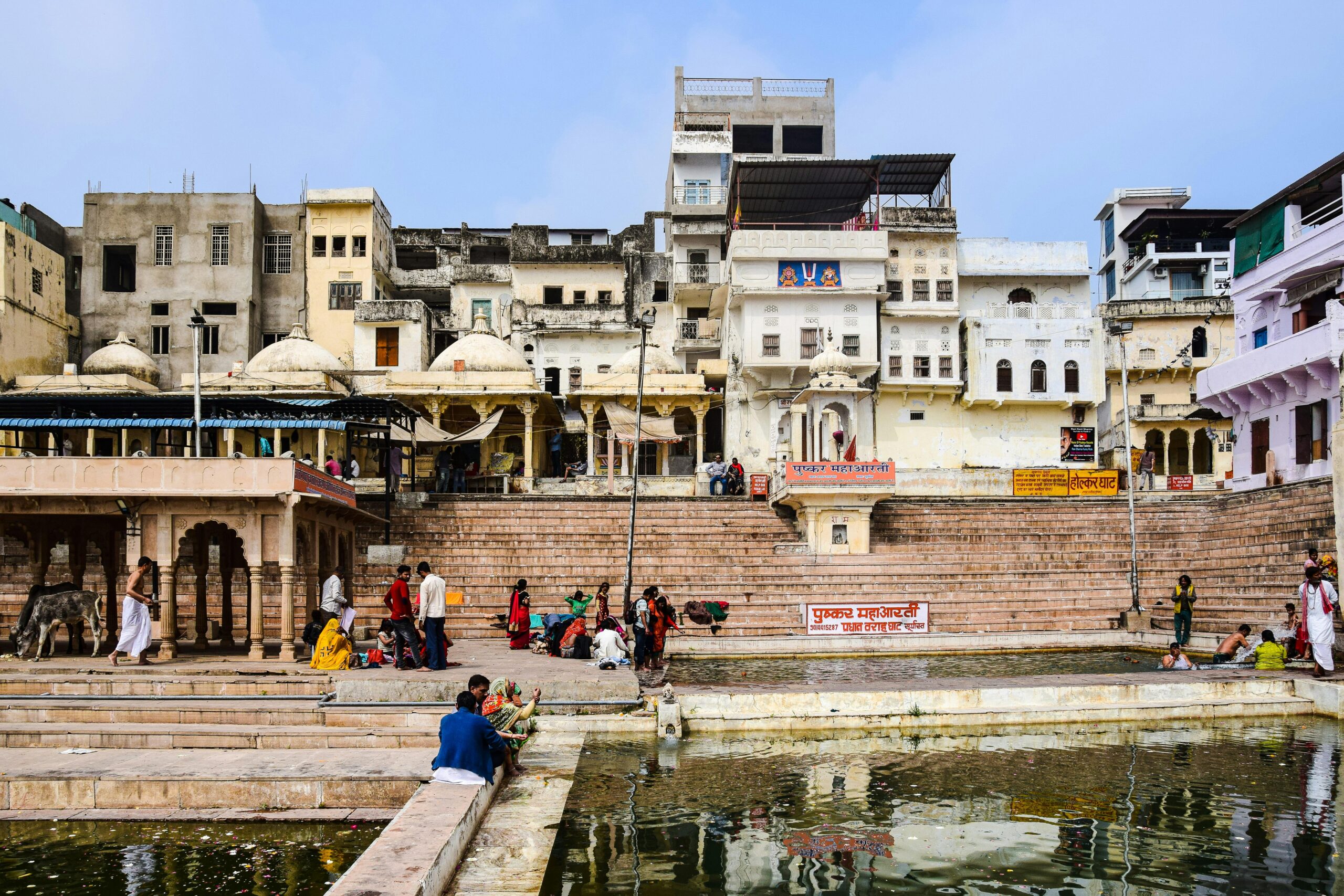
The Pushkar lake is the soul of the town. It’s a rectangular, star-shaped lake fed by 13 natural springs. Walking along the ghats (stone steps leading down to the water) is a daily ritual for many locals and visitors. You’ll see people bathing, performing prayers, offering flowers, and simply soaking in the serenity. The reflection of the surrounding hills on the still waters creates a truly breathtaking spectacle, especially at sunset. Be mindful of the sanctity of the lake – swimming isn’t permitted, and avoid throwing anything into it. Several vendors sell marigold garlands – a beautiful offering to make to the deities.
Ghats and Rituals: What to Expect
Each ghat has its own significance, with some dedicated to specific deities or used for particular rituals. The main ghat is where you’ll find the most activity, especially during festivals. You’ll witness priests performing ‘aarti’ (ritualistic worship involving chanting and offering of light) which is a mesmerizing experience. Take your time to observe – it’s not just about watching; it’s about absorbing the atmosphere and understanding the significance of these ancient practices. Local guides can provide invaluable insights into the rituals if you’re interested in learning more.
Rajasthan Temples: A Journey Through Faith

Beyond the lake, Pushkar is home to a remarkable collection of Rajasthan temples, each with its own unique history and architectural style. The most prominent is, of course, the Brahma Temple – one of the few temples dedicated to Lord Brahma in India. Entry is restricted to Hindus only. Nearby you’ll find the Nag Devta Temple (dedicated to serpents), the Savitri Temple, and numerous smaller shrines. Exploring these temples offers a fascinating glimpse into the diverse religious landscape of Rajasthan. Remember to dress respectfully – scarves are usually provided for covering your head.
Temple Etiquette: Showing Respect
Before entering any temple, you’ll typically be asked to wash your hands as a purification ritual. Always remove your shoes before stepping inside. Photography is often restricted within the inner sanctums; respect these rules and admire the intricate carvings and artwork from a distance.
The Monsoon Magic: Pushkar in Rainy Season
Experiencing Pushkar During Monsoon Travel India
Travelling to Pushkar during the monsoon (July-September) offers a uniquely atmospheric experience. The landscape transforms into a lush, green paradise – the Aravali hills are draped in vibrant greenery, and the lake takes on an even deeper hue. However, be prepared for rain! It can come suddenly and heavily. The crowds thin out considerably, allowing you to truly connect with the town’s peaceful vibe.
Practical Considerations for Monsoon Travel
Rain gear is absolutely essential – a waterproof jacket, umbrella, and water-resistant shoes are must-haves. Roads can become slippery, so travel carefully. Some shops and restaurants may be temporarily closed due to the weather. Embrace the rain – it’s part of Pushkar’s charm! The air feels fresher, and the sound of raindrops adds to the town’s mystical ambiance.
Camel Fair (Pushkar Camel Fair): A Spectacle Like No Other (October/November)
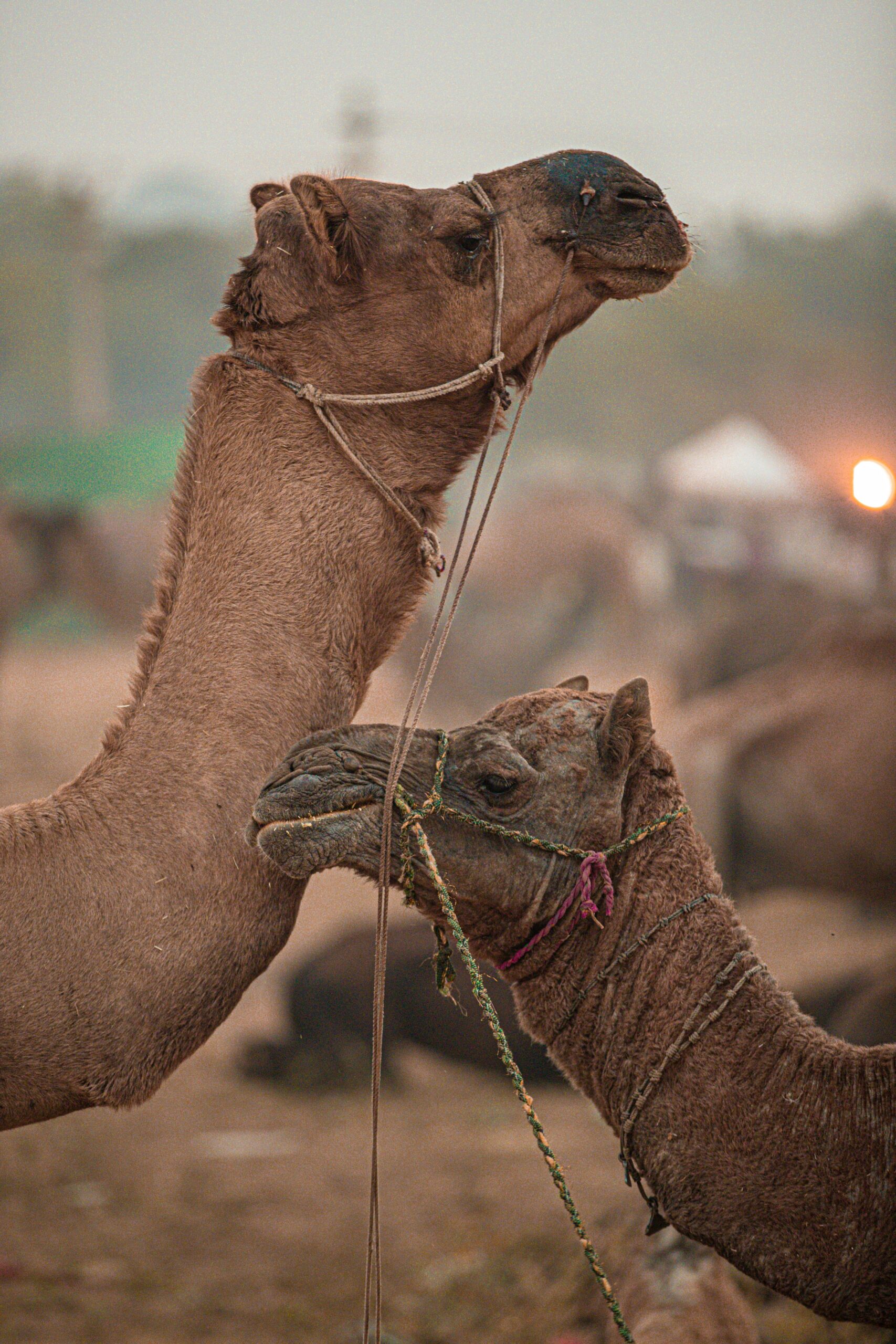
If your trip coincides with the Pushkar Camel Fair (usually held in October or November), you’re in for an unforgettable experience. This vibrant festival attracts thousands of visitors and livestock traders from across Rajasthan. It’s a riot of colour, music, and traditional activities – including camel beauty contests, acrobatic displays, and local crafts stalls. Be aware that it can get incredibly crowded, so plan accordingly.
Beyond the Tourist Trail: Exploring Local Life
Take time to wander through the narrow lanes of Pushkar’s old town. You’ll discover hidden gems – small shops selling handcrafted items, traditional restaurants serving delicious Rajasthani cuisine, and friendly locals eager to share their culture. Try some *dal baati churma* (a local specialty), sample street food (exercise caution and choose vendors with high turnover), and learn a few basic Hindi phrases – it will go a long way in connecting with the community.
Food & Drink: A Culinary Adventure
Pushkar offers a fantastic range of culinary experiences. From rooftop restaurants serving delicious Indian dishes to small, family-run eateries offering authentic Rajasthani flavours, there’s something for every palate. Don’t miss out on trying *lassi* (a yogurt drink), *kachoris* (fried dough pastries) and various vegetarian delicacies.
Accommodation Options
Pushkar offers a range of accommodation options to suit all budgets – from budget-friendly guesthouses to luxurious hotels with stunning lake views. Book in advance, especially during peak season and the camel fair.
FAQ: Your Pushkar Travel Guide Questions Answered
What is Pushkar famous for?
Pushkar is primarily known for its sacred Pushkar lake, Brahma Temple, vibrant atmosphere, and as a centre of Hindu pilgrimage. It’s also renowned for the annual Camel Fair.
Can foreigners visit the Brahma Temple?
Entry to the Brahma Temple is restricted to Hindus only. Non-Hindus can admire it from outside.
Is Pushkar safe for solo female travellers?
Pushkar is generally considered a safe destination for solo female travellers, but it’s always advisable to take precautions – be aware of your surroundings, avoid walking alone at night, and dress modestly.
What’s the best time to visit Pushkar?
The shoulder seasons (October-November & February-March) offer pleasant weather and fewer crowds. However, if you’re interested in experiencing the Camel Fair, plan your trip for October/November. Travelling during the monsoon season offers a unique perspective.
How do I get to Pushkar?
The nearest airport is Jaipur International Airport (JAI), approximately 300km away. You can hire a taxi or take a pre-booked car service. Alternatively, you can travel by train from major cities like Delhi and Mumbai.