Exploring the Enchanting Hills of Uttarakhand: Valley of Flowers Trek – A First-Timer’s Guide
Planning a trip to India and dreaming of alpine meadows bursting with colour? You’re about to embark on an unforgettable adventure. The Valley of Flowers Trek in Uttarakhand, part of the Garhwal Himalayas, is a truly magical experience, unlike anything you’ve probably imagined. This guide will equip you with everything you need for your first foray into this incredible landscape – from acclimatization and permits to trekking tips and spotting those elusive Himalayan flowers and Indian orchids. Prepare yourself; it’s going to be extraordinary.
What is the Valley of Flowers Trek?
The Valley of Flowers National Park isn’t your typical national park. It’s a UNESCO World Heritage Site, a high-altitude meadow that blooms spectacularly for just six weeks each year – typically from July to August. This incredible display is due to the unique microclimate created by the surrounding mountains and the monsoon rains. The trek itself takes you through rhododendron forests, past gushing streams, and finally, into the heart of this vibrant valley, a riot of colour that will leave you breathless.
Getting There & Logistics
Reaching the Valley of Flowers requires some planning. Most trekkers start from Joshimath, the main gateway town to the region. Joshimath is well-connected by road and rail, although the last few kilometers to Ghangaria – the base camp for the trek – are accessible only by foot or shared jeep. From Dehradun Airport (DED), you can hire a taxi or take a pre-booked tour to Joshimath, which takes approximately 6-7 hours.
Permits: You *absolutely* need permits to enter the Valley of Flowers National Park. These can be obtained from the Forest Department Office in Joshimath. The process involves submitting your passport details and paying a small fee. It’s crucial to do this in advance, especially during peak season, as permits often sell out.
Accommodation: Ghangaria offers basic guesthouses and campsites. Booking ahead is highly recommended, particularly if you’re travelling during the busy July-August period. There are no luxury hotels here; it’s a rustic experience designed for trekking.
The Trek – A Day-by-Day Outline (7 Days)
This itinerary is a suggestion and can be adjusted based on your fitness level and interests. Remember to acclimatize properly!
- Day 1: Arrive in Joshimath, rest, explore the town, and prepare for the trek.
- Day 2: Trek from Joshimath to Govindghat (approx. 6 km/3.7 miles) – this is the starting point of the Valley of Flowers trek.
- Day 3: Trek from Govindghat to Ghangaria (approx. 13 km/8 miles), a challenging uphill climb.
- Day 4: Acclimatization day in Ghangaria. Explore the nearby monasteries and enjoy the views.
- Day 5: Trek to the Valley of Flowers (approx. 3-4 hours round trip). Spend the morning exploring the valley, photographing the flowers, and enjoying the serenity. Return to Ghangaria.
- Day 6: Trek back to Govindghat (approx. 13 km/8 miles)
- Day 7: Depart from Joshimath.
What to Pack – Essential Gear
The weather in the Himalayas can be unpredictable, so packing appropriately is vital. Here’s a checklist:
- Hiking Boots: Well broken-in, waterproof hiking boots are essential.
- Warm Layers: Fleece jackets, thermal underwear, and a down jacket are crucial for staying warm at night and during colder treks.
- Waterproof Jacket & Pants: The weather can change rapidly – be prepared for rain.
- Sunscreen & Hat: The sun is intense at high altitudes.
- Sunglasses: Protect your eyes from the glare.
- Headlamp/Torch: Essential for navigating in the dark.
- Water Bottle & Hydration Pack: Staying hydrated is paramount.
- Snacks: High-energy snacks like nuts, dried fruit, and energy bars.
- First Aid Kit: Including blister treatment, pain relievers, and any personal medications.
Spotting the Blooms – Himalayan Flowers & Indian Orchids
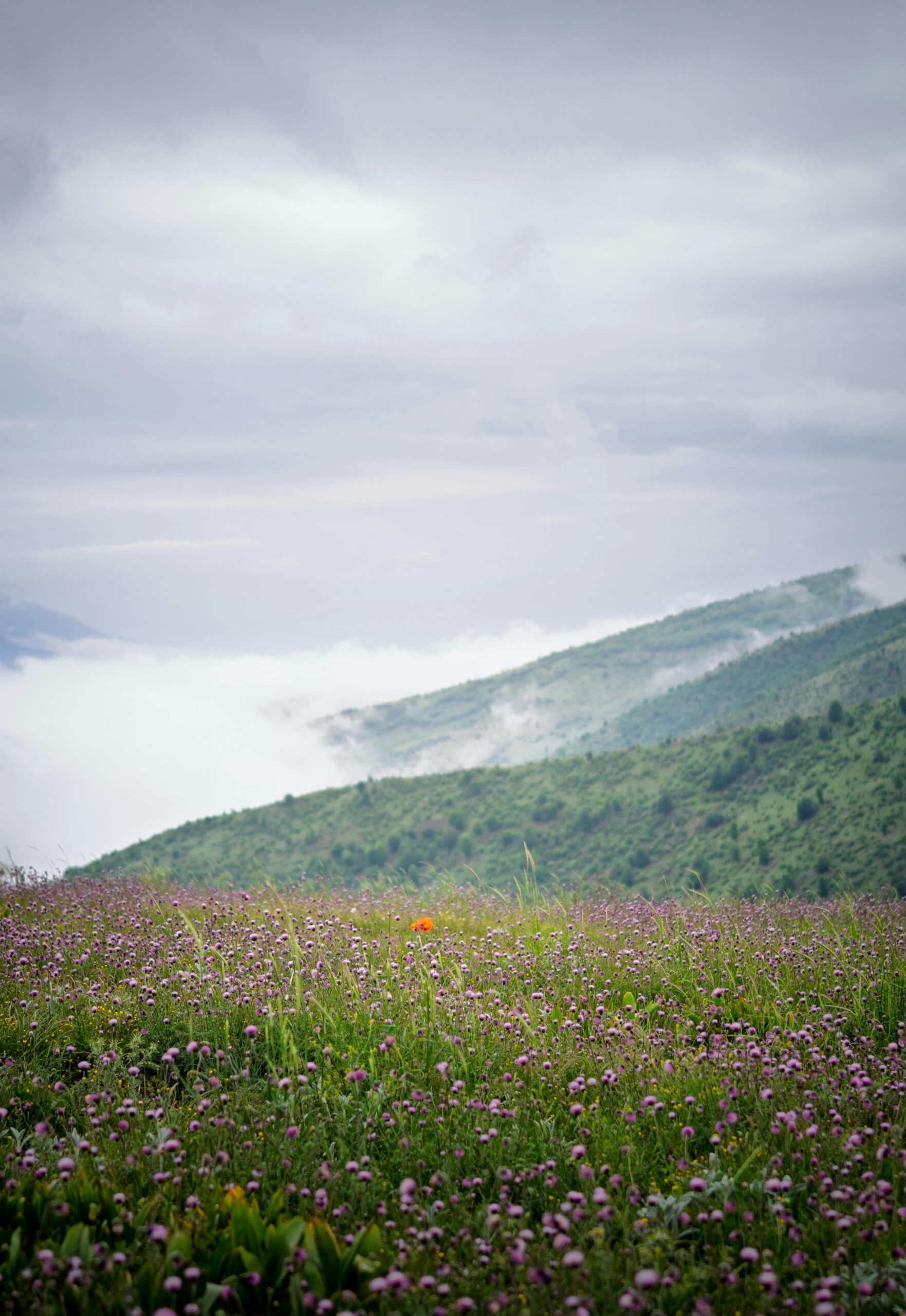
The Valley of Flowers is a botanist’s dream! You’ll find an incredible diversity of alpine flowers, including endemic species you won’t see anywhere else. Some of the most common blooms include poppies, primroses, and bluebells. Keep an eye out for the rare Himalayan orchids – particularly the *Dendrophylax lachnophylax* (Ghost Orchid) – a truly special sight. Remember to admire them from a distance and avoid trampling on the delicate flowers.
Trekking in the Garhwal Himalayas – Safety & Considerations
The Valley of Flowers Trek is considered moderately challenging due to the altitude and uneven terrain. It’s crucial to be aware of the potential risks and take necessary precautions:
- Altitude Sickness: Acclimatize properly before undertaking strenuous activities. Drink plenty of water and ascend gradually.
- Weather Conditions: Check the weather forecast regularly and be prepared for sudden changes.
- Trail Hazards: Watch your footing – the trails can be rocky and slippery.
- Respect Local Culture: Uttarakhand is a culturally rich region. Dress modestly, respect local customs, and be mindful of the environment.
Beyond the Valley – Exploring the Garhwal Region
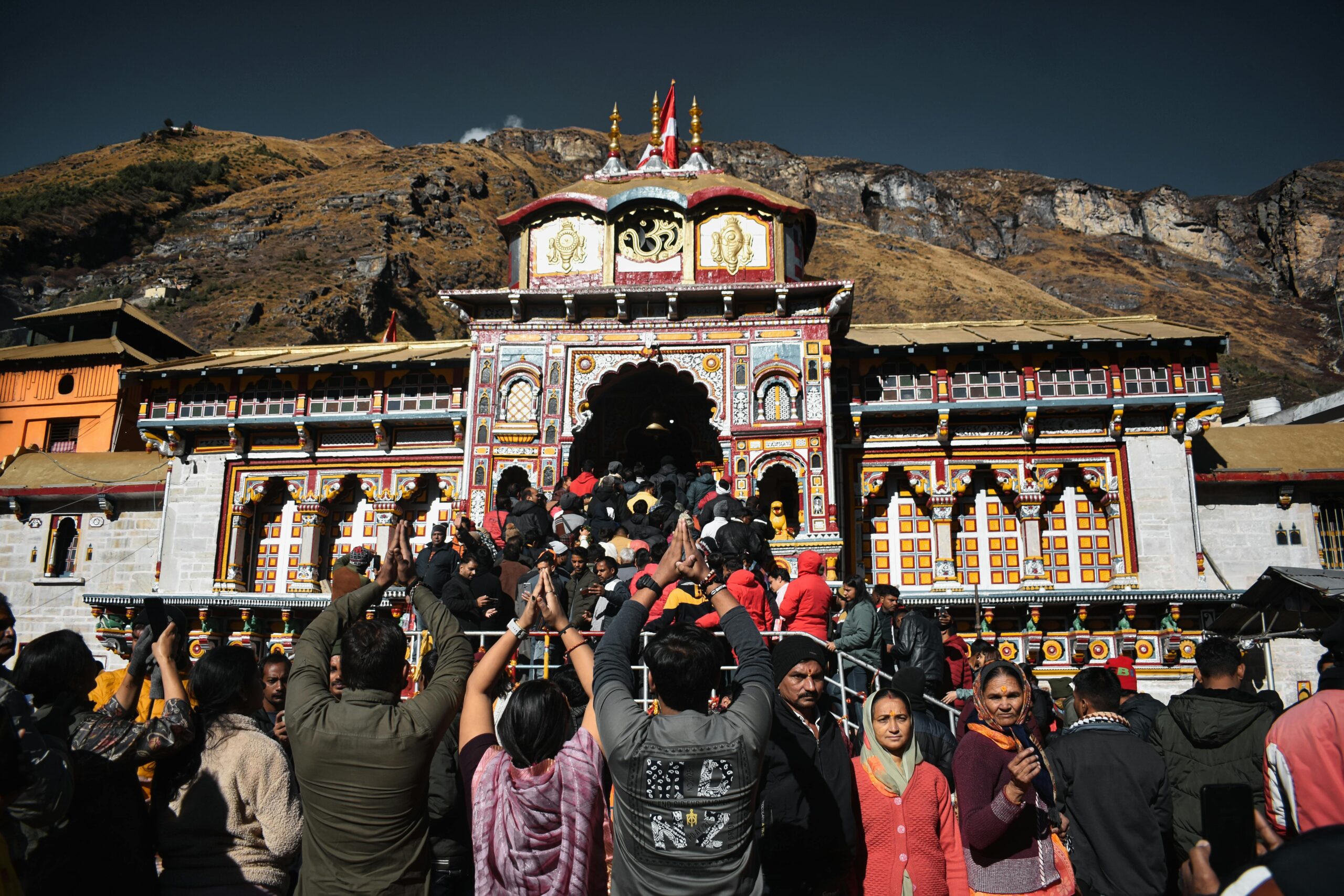
While the Valley of Flowers is undoubtedly the highlight, the Garhwal Himalayas offer much more to explore. Consider extending your trip to visit nearby destinations like Badrinath Temple, Mana Village (the mythical source of the Ganges), and Valley of Pine. You could even add a short trek to Dodital Lake or Deoria Tal for stunning views.
Essential Tips for Your First Time
Here are a few extra tips to help you make the most of your Valley of Flowers Trek:
- Hire a local guide and porter – they’ll provide invaluable assistance and support.
- Travel during the shoulder season (June or September) for fewer crowds and pleasant weather.
- Learn a few basic Hindi phrases – it will enhance your interactions with locals.
- Leave no trace – pack out everything you pack in and minimize your impact on the environment.
Frequently Asked Questions (FAQs)
Here are some common questions about trekking to the Valley of Flowers:
- Q: When is the best time to visit? A: The flowering season runs from July to August. However, June and September offer pleasant weather for trekking.
- Q: Do I need a guide? A: While it’s possible to trek independently, hiring a local guide and porter is highly recommended for safety and logistical support.
- Q: What vaccinations do I need? A: Consult your doctor about recommended vaccinations for India.
- Q: How strenuous is the trek? A: It’s considered moderately challenging due to altitude and terrain, but with proper acclimatization, most people can complete it.
- Q: What’s the accommodation like in Ghangaria? A: Accommodation options are basic guesthouses and campsites – expect rustic conditions.
Conclusion
The Valley of Flowers Trek is more than just a hike; it’s an immersion in one of the most spectacular landscapes on Earth. It’s a challenging but incredibly rewarding experience that will stay with you long after you return home. With careful planning, proper preparation, and a spirit of adventure, you can unlock the magic of this Himalayan paradise. Don’t just dream about it – start planning your Valley of Flowers Trek today!
Ready to turn this dream into reality? Contact exploreindiaguides.com for bespoke trekking packages tailored to your needs and experience level. Let us help you create an unforgettable journey through the heart of the Garhwal Himalayas.